
 EN
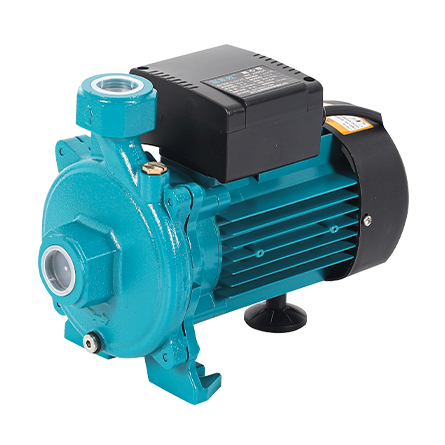
Shower Water Pump: Sizing & Selection Guide
No one likes stepping into a luxury shower only to get a weak, lukewarm trickle. While most homeowners think a fancy new showerhead will solve the problem, experienced plumbers and MEP contractors know better. A showerhead cannot create water pressure that isn't there in the first place. Undersized pipes, low gravity tanks, and other taps running at the same time will quickly starve any mixing valve.
Installing a dedicated shower water pump is the most reliable way to balance water distribution across a property. When sized correctly, this equipment delivers an invigorating shower spray while keeping the pipe network safe from sudden pressure spikes.
Real-World Water Systems and Inlet Hydraulics
Every building has its own water storage setup, and understanding how water gets to the pump is key. Matching the pump to the plumbing layout prevents issues like cavitation, which can ruin mechanical seals in no time.
Water Supply Setup
Dynamic Intake Conditions
Recommended Pumping Architecture
Elevated Cold Water Cistern
Low gravity-fed pressure determined by tank height.
Twin-impeller regenerative or centrifugal shower booster pump.
Unvented Hot Water Cylinder
High balanced mains pressure requiring equal hot/cold delivery.
Single-ended shower booster pump calibrated to match municipal limits.
Weak Municipal Water Mains
Fluctuating dynamic pressure, especially during peak evening hours.
Break tank paired with an automated bathroom pressure booster.
Rainwater Harvesting Cistern
Variable suction lift depending on rainwater levels.
Self-priming multi-stage unit or a heavy-duty shower water pump.
| Water Supply Setup | Dynamic Intake Conditions | Recommended Pumping Architecture |
|---|---|---|
| Elevated Cold Water Cistern | Low gravity-fed pressure determined by tank height. | Twin-impeller regenerative or centrifugal shower booster pump. |
| Unvented Hot Water Cylinder | High balanced mains pressure requiring equal hot/cold delivery. | Single-ended shower booster pump calibrated to match municipal limits. |
| Weak Municipal Water Mains | Fluctuating dynamic pressure, especially during peak evening hours. | Break tank paired with an automated bathroom pressure booster. |
| Rainwater Harvesting Cistern | Variable suction lift depending on rainwater levels. | Self-priming multi-stage unit or a heavy-duty shower water pump. |
In gravity-fed systems, pay close attention to static head. This is the vertical distance between the bottom of the cold-water tank and the showerhead. If a large rain-shower head sits almost level with the water tank, the natural flow might be too weak to trigger a standard flow switch. For these low-clearance spaces, a negative-head shower booster pump equipped with a small pressure vessel and electronic sensors is necessary to kick-start the water flow.
Calculating Actual Peak Flow Requirements
Sizing a domestic shower pump requires looking at real-world usage rather than guessing based on the number of bedrooms in a house. The pump must handle the maximum number of fixtures likely to run at the same time.
Shower Configuration
Minimum Flow Needed
Recommended Pipe Size
Standard Wall-Mounted Spray
8 to 12 Liters per minute
15 mm copper or multilayer pipe
Large Rain Shower Head
16 to 25 Liters per minute
22 mm dedicated supply line
Multi-Jet Hydrotherapy Cabin
30 to 45 Liters per minute
22 mm or 28 mm dedicated feed
Two En-Suite Showers Running Together
35 to 55 Liters per minute
28 mm manifold with balanced branches
| Shower Configuration | Minimum Flow Needed | Recommended Pipe Size |
|---|---|---|
| Standard Wall-Mounted Spray | 8 to 12 Liters per minute | 15 mm copper or multilayer pipe |
| Large Rain Shower Head | 16 to 25 Liters per minute | 22 mm dedicated supply line |
| Multi-Jet Hydrotherapy Cabin | 30 to 45 Liters per minute | 22 mm or 28 mm dedicated feed |
| Two En-Suite Showers Running Together | 35 to 55 Liters per minute | 28 mm manifold with balanced branches |
If a domestic shower pump is too small, water pressure will drop the moment someone flushes a toilet or opens a kitchen tap. On the flip side, an oversized domestic shower pump can overwhelm thermostatic mixer cartridges. This causes annoying temperature swings, rapid starting and stopping, and even a risk of scalding. Choosing a properly calibrated bathroom pressure booster ensures balanced hot and cold water streams under any load.
Tackling Friction Loss and Flow Resistance
Gravity and height are only part of the story. Water rubbing against the inside of narrow pipes, sharp elbows, scale-clogged filters, and mixing valves creates friction, which acts as a drag on water pressure.
Friction Cause
What Happens Inside the Pipe
How to Fix It
Narrow Pipe Diameters
Water travels too fast, causing high friction in 15 mm pipes.
Run 22 mm pipes as the main supply lines.
Sharp Pipe Fittings
Hard 90-degree elbows create turbulence and restrict flow.
Use swept bends or 45-degree fittings instead.
Restrictive Mixer Cartridges
Narrow internal paths and check valves block water flow.
Ensure at least 1.5 bar of dynamic pressure reaches the mixer.
Compact Water Heaters
Narrow coils inside boilers slow down water movement.
Install bypass loops or use high-recovery hot water cylinders.
| Friction Cause | What Happens Inside the Pipe | How to Fix It |
|---|---|---|
| Narrow Pipe Diameters | Water travels too fast, causing high friction in 15 mm pipes. | Run 22 mm pipes as the main supply lines. |
| Sharp Pipe Fittings | Hard 90-degree elbows create turbulence and restrict flow. | Use swept bends or 45-degree fittings instead. |
| Restrictive Mixer Cartridges | Narrow internal paths and check valves block water flow. | Ensure at least 1.5 bar of dynamic pressure reaches the mixer. |
| Compact Water Heaters | Narrow coils inside boilers slow down water movement. | Install bypass loops or use high-recovery hot water cylinders. |
To find the perfect shower water pump, installers compare the calculated flow rate and friction loss against the pump curves provided by manufacturers. Choosing a shower booster pump that runs near the middle of its performance curve keeps the motor running cool and saves energy.
Regenerative Versus Centrifugal Impellers
How a pump is built on the inside determines how well it handles air bubbles, how much noise it makes, and how much water it can move.
Engineering Aspect
Regenerative Impeller
Centrifugal Multi-Stage
Handling Air in Pipes
Pushes air bubbles through easily without losing suction.
Sensitive to air pockets; requires de-aeration pipework.
Flow and Pressure
Delivers high pressure at moderate water volumes.
Moves large volumes of water with very steady pressure.
Noise Levels
Makes a higher-pitched hum under heavy load.
Runs exceptionally quiet with minimal vibration.
Space Requirements
Compact design fits easily in airing cupboards.
Larger footprint; best suited for utility rooms.
| Engineering Aspect | Regenerative Impeller | Centrifugal Multi-Stage |
|---|---|---|
| Handling Air in Pipes | Pushes air bubbles through easily without losing suction. | Sensitive to air pockets; requires de-aeration pipework. |
| Flow and Pressure | Delivers high pressure at moderate water volumes. | Moves large volumes of water with very steady pressure. |
| Noise Levels | Makes a higher-pitched hum under heavy load. | Runs exceptionally quiet with minimal vibration. |
| Space Requirements | Compact design fits easily in airing cupboards. | Larger footprint; best suited for utility rooms. |
Centrifugal designs are the top choice for luxury homes and hotels where quiet operation is a must. A centrifugal shower booster pump handles high-volume distribution smoothly. Regenerative shower water pump designs are great, cost-effective options for smaller retrofits where tight spaces and awkward pipe runs make minor air bubbles unavoidable.
Stopping Noise and Vibration Before They Start
Pumps naturally vibrate, and water rushing through pipes can create a lot of noise. If a domestic shower pump is bolted directly to floor joists or stud walls without any cushioning, that noise will travel right through the house.
-
Pump Base Vibration: Avoid screwing the shower booster pump directly to wooden floors. Always place the unit on a high-density rubber anti-vibration mat to absorb motor hum.
-
Pulsing Pipes: Rigid copper pipes can act like speakers. Use flexible, stainless-steel braided hoses with a gentle curve to connect the bathroom pressure booster inlets and outlets.
-
Rattling Wall Brackets: Vibration travels from pipes to walls. Secure all nearby pipework with rubber-lined acoustic clips to keep things quiet.
-
Air in the System: Drawing air from the hot water cylinder causes noisy sputtering. Fit an independent flange directly onto the cylinder to draw clean, air-free water.
Giving the shower water pump plenty of space also ensures adequate airflow around the motor cooling fins, extending the life of the equipment.
Smart Controls and Dry-Run Protection
Modern control electronics keep the pump motor safe from overheating and make sure water pressure is instant the moment a tap is turned on.
-
Standard Flow Switch: A simple reed switch activated when gravity flow exceeds 0.6 liters per minute. It is highly reliable and has few moving parts.
-
Electronic Pressure Sensor: Used in negative-head setups. It monitors pressure drops in a small expansion tank and starts the domestic shower pump even when there is no natural gravity flow.
-
Variable Speed Drive (VSD): Adjusts the motor speed in real time based on how many taps are open. This keeps water pressure perfectly steady whether one or three showers are running.
-
Thermal Protection: A built-in thermal switch that shuts down the motor if it gets too hot, preventing the copper coils from burning out.
Every bathroom pressure booster needs dry-run protection. Running a shower booster pump without water causes extreme friction heat that can destroy ceramic and carbon shaft seals in just a few minutes.
Pre-Commissioning Plumbing Checklist
Taking a few minutes to check the installation before turning the power on saves a lot of troubleshooting time later.
-
Water Volume: Ensure there is at least 250 liters of cold-water storage available for every active shower head.
-
Pipe Sizes: Verify that there are no narrow, restrictive valves in the supply lines. Use full-bore lever valves for maintenance.
-
Flange Installation: Check that the hot water draw comes from a dedicated cylinder flange to prevent air locks.
-
Electrical Safety: The shower water pump must be wired to a dedicated, fused spur with an RCD, located completely outside of any wet bathroom zones.
Supply Chain Quality and Manufacturing Standards
Finding a reliable pumping system means looking at manufacturing quality. A bathroom pressure booster is only as good as the materials used to build it. For global distributors and sourcing managers, consistent quality control is what prevents expensive warranty claims.
As a leading specialist in domestic water systems and commercial fluid machinery, Flyaway provides extensive OEM and ODM manufacturing capabilities for global plumbing brands and distributors. The state-of-the-art production facility features automated stator winding, high-precision CNC machining for brass and composite impellers, and advanced computerized dynamic balancing lines. By using 100% pure copper motor windings, anti-corrosive electrophoretic surface treatments, and durable silicon carbide mechanical seals, Flyaway ensures that every shower water pump, shower booster pump, and domestic shower pump delivers whisper-quiet, long-lasting performance in demanding residential installations around the world.






