
 EN
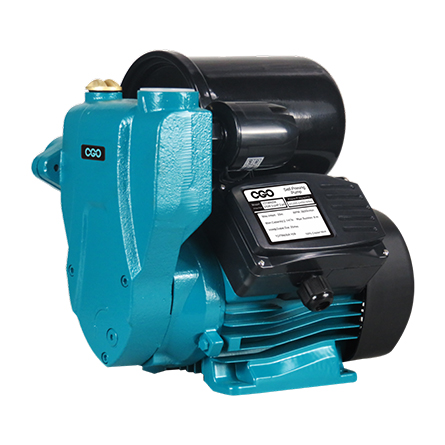
Professional Guide to Selecting and Sourcing a Self Priming Centrifugal Water Pump
Choosing the right self priming centrifugal water pump for an industrial facility, municipal utility, or agricultural irrigation project is far less about grabbing the largest electric motor off a retail shelf and much more about matching hardware specifications precisely to real-world site dynamics. For agricultural equipment distributors, professional mechanical contractors, and commercial project buyers, starting with a comprehensive, well-documented site brief prevents costly sizing mistakes and guarantees long-term operational reliability across diverse and demanding field conditions. Key operational parameters—including required flow rate, total dynamic head, fluid characteristics, suction setup, electrical power supply specifications, and daily operating cycles—make it possible to compare manufacturer performance curves accurately before a commercial purchase order is ever placed.
A reliable self priming centrifugal water pump handles demanding applications where the mechanical pump unit sits well above the fluid source and air pockets might enter the suction pipeline during initial start-up phases. However, advanced self-priming features do not replace sound piping design, airtight connections, or a properly calculated operating point. This professional guide addresses critical engineering and field considerations to avoid slow priming cycles, destructive cavitation, excessive power consumption, and unexpected pressure drops across various industrial and agricultural environments, ensuring optimal efficiency, smooth fluid delivery, and extended equipment lifespans.
Start with the Required Duty Point and System Curves
Always begin the selection process by defining the exact flow rate needed at the end-use application and the total dynamic head the overall piping system must overcome. Total dynamic head combines static elevation lift with cumulative friction losses across suction and discharge pipes, pipe fittings, isolation valves, inline filters, and field sprinklers. A comprehensive pump performance curve plots head against flow, demonstrating efficiency curves, input power requirements, and net positive suction head required across various operating points.
Buyers specifying a system only as high pressure leave far too many variables open to industrial interpretation. It is vital to determine whether the self priming centrifugal water pump feeds overhead sprinkler grids, drip irrigation lines, transfer storage tanks, or intensive industrial wash-down equipment. Collecting exact pipe diameters, run lengths, elevation changes, and target discharge pressure ensures the selected model operates near its peak efficiency region rather than relying solely on maximum head limits. Furthermore, plotting system curves against pump performance curves reveals how changes in valve positions, pipe aging, or seasonal flow shifts will impact overall delivery performance over time.
Check Suction Limits and Installation Constraints
A quality self priming centrifugal water pump is engineered to separate and recirculate air from the internal casing and suction line once the chamber has been manually filled as specified by the manufacturer. This design suits surface-water intakes, canal transfers, and intermittent agricultural irrigation cycles. Nevertheless, physical laws regarding suction lift, line lengths, fluid temperature, and site altitude still apply across all project installations.
-
Keep the suction run as short and direct as the physical layout permits to minimize hydraulic friction losses.
-
Select appropriate pipe diameters to ensure suction friction losses do not deplete available operational margins.
-
Inspect all mechanical joints, threaded fittings, isolation valves, and foot valves to eliminate air leaks entirely.
-
Confirm that the pump casing can be easily filled and that a reliable non-return valve suits the installation setup.
-
Verify permitted suction conditions with the supplier for specific liquid temperatures and high-altitude elevations.
-
Monitor ambient operating temperatures to prevent thermal stress on mechanical shaft seals and pump housing components.
These field checks matter significantly when deploying a self priming centrifugal water pump near a fast-flowing river, agricultural storage pond, or shallow reservoir. A unit that primes effortlessly on a short test bench can behave entirely differently when connected to a long suction run featuring a partially clogged strainer.
Protect Against Cavitation and Water Quality Issues
Net Positive Suction Head helps evaluate cavitation risks accurately across different operating environments. Available NPSH depends heavily on installation geometry and liquid conditions, while required NPSH is dictated strictly by the pump performance curve. Operating with inadequate suction head causes severe noise, mechanical vibration, and premature wear over time. Furthermore, water quality varies widely between different operational sites. Sand, suspended minerals, and fertilizer residues impact impellers and mechanical seals. Discussing water chemistry with suppliers ensures the wet-end materials of the self priming centrifugal water pump match the application, whether transferring clean municipal water or mineral-heavy canal supply.
Sourcing and Manufacturing Excellence with Flyaway
Beyond fundamental hydraulic calculations, commercial buyers must evaluate electrical compatibility, motor protection mechanisms, and global supply chain reliability. Long agricultural irrigation cycles demand robust ventilation and stable power arrangements. Flyaway provides comprehensive technical pre-sales support, helping global distributors and contractors match exact operating points with durable pumping systems. Partnering with an experienced manufacturer ensures consistent product quality, reliable spare-part availability, and professional export packaging for bulk orders.






