
 EN
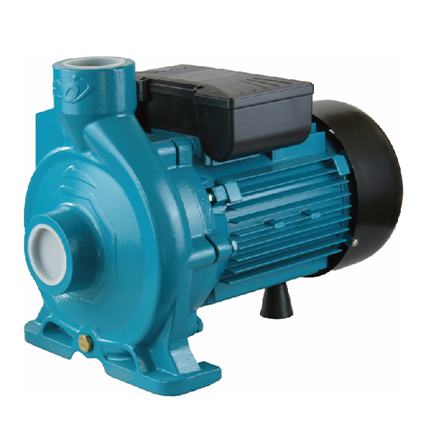
🚿 Practical Engineering Guide to Sizing a High Pressure Water Pump for Home
Installing a dedicated high pressure water pump for home applications resolves weak shower pressure, slow garden hose discharge, and erratic supply from rainwater cisterns. However, dependable water pressure requires matching equipment to the entire residential plumbing network rather than simply buying the largest motor on display. A high-horsepower pump can still underperform if static lift exceeds design limits, if suction lines intake air, or if undersized internal pipes create excessive friction head loss.
For homeowners, plumbing contractors, and hardware distributors, selecting a residential water pump begins with an accurate assessment of real-world plumbing conditions. Defining water supply sources, simultaneous fixture usage, total elevation changes, and pipe friction losses ensures consistent water pressure without causing pipe stress or premature motor burnout.
💧 Diagnosing Household Water Demands and Sourcing Layouts
High water pressure represents a system outcome rather than a specific pump model. Prior to reviewing equipment curves, classify the precise plumbing challenge that the high pressure water pump for home must resolve.
Domestic Water Scenario
Primary Hydraulic Challenge
Recommended Equipment Solution
Critical Engineering Factor
Weak Municipal Mains Supply
Pressure drops whenever multiple taps open
Variable frequency home water pressure booster pump
Built-in pressure transducer and bypass line
Shallow Well or Rain Cistern
Lifting water vertically before boosting pressure
Self-priming jet high pressure water pump for home
Airtight suction line with foot valve
Deep Borehole Extraction
Substantial static lift exceeding suction limits
Multi-stage submersible residential water pump
Downhole water level and motor cooling
Multi-Zone Turf Irrigation
High continuous flow at sustained terminal pressure
Multi-stage horizontal booster assembly
Flow capacity at maximum zone demand
| Domestic Water Scenario | Primary Hydraulic Challenge | Recommended Equipment Solution | Critical Engineering Factor |
|---|---|---|---|
| Weak Municipal Mains Supply | Pressure drops whenever multiple taps open | Variable frequency home water pressure booster pump | Built-in pressure transducer and bypass line |
| Shallow Well or Rain Cistern | Lifting water vertically before boosting pressure | Self-priming jet high pressure water pump for home | Airtight suction line with foot valve |
| Deep Borehole Extraction | Substantial static lift exceeding suction limits | Multi-stage submersible residential water pump | Downhole water level and motor cooling |
| Multi-Zone Turf Irrigation | High continuous flow at sustained terminal pressure | Multi-stage horizontal booster assembly | Flow capacity at maximum zone demand |
Plumbing networks that supply clean potable water require sanitary cast iron or stainless steel wet ends. Conversely, if source water contains silt, sediment, or abrasive minerals, installing pre-filtration strainers prevents rapid erosion of internal impellers and mechanical seals.
📊 Calculating Flow Demands and Total Dynamic Head
Selecting an effective high pressure water pump for home relies on calculating two core hydraulic parameters: simultaneous flow capacity and Total Dynamic Head (TDH). Sizing equipment solely on open-discharge ratings leads to severe pressure drops when multiple bathrooms operate concurrently.
Estimating Peak Fixture Demand
Determine the total volumetric discharge required when multiple household outlets run simultaneously. Sizing for an individual tap causes system starvation during morning rush hours.
-
Modern Rainfall Showerhead: 9 to 15 Liters per minute. High concurrent probability. Baseline continuous pressure requirement.
-
Standard Bathroom Basin Tap: 4 to 8 Liters per minute. Intermittent brief usage. Determines minimum start-up flow sensitivity.
-
Automatic Washing Machine: 10 to 14 Liters per minute. Cyclical rapid demand. Requires surge absorption via pressure tank.
-
Outdoor Garden Hose Nozzle: 15 to 25 Liters per minute. Prolonged continuous run. Dictates peak volumetric capacity of pump.
Calculating Total Dynamic Head (TDH)
Total Dynamic Head defines the total mechanical work the residential water pump must perform. TDH comprises vertical static rise, friction loss through pipes, fittings, and filtration manifolds, plus the residual pressure required at terminal outlets.
Head Component
Measurement Factor
Practical System Impact
Static Vertical Elevation
Vertical height from water level to highest showerhead
Fixed gravitational resistance unaffected by pipe size
Friction Head Losses
Drag created along pipe walls, 90-degree elbows, and valves
Small-diameter copper or PEX tubing dramatically increases drag
Required Outlet Pressure
Operating pressure needed at showers (typically 2.5 to 3.5 bar)
Every 1.0 bar of pressure requires 10.2 meters of dynamic head
Dynamic Suction Lift
Distance between surface pump inlet and low cistern water level
Must not exceed Net Positive Suction Head limits
| Head Component | Measurement Factor | Practical System Impact |
|---|---|---|
| Static Vertical Elevation | Vertical height from water level to highest showerhead | Fixed gravitational resistance unaffected by pipe size |
| Friction Head Losses | Drag created along pipe walls, 90-degree elbows, and valves | Small-diameter copper or PEX tubing dramatically increases drag |
| Required Outlet Pressure | Operating pressure needed at showers (typically 2.5 to 3.5 bar) | Every 1.0 bar of pressure requires 10.2 meters of dynamic head |
| Dynamic Suction Lift | Distance between surface pump inlet and low cistern water level | Must not exceed Net Positive Suction Head limits |
The target operating point must intersect the performance curve within the Best Efficiency Point (BEP) of the chosen home water pressure booster pump to prevent motor overheating and internal fluid turbulence.
⚙️ Comparing Core Mechanical Configurations
Residential water delivery relies on three primary mechanical architectures, each tailored to distinct suction geometries and installation spaces.
Pump Mechanical Style
Optimal Installation Scenario
Mechanical Advantages
Installation Trade-Offs
Self-Priming Jet Pump
Above-ground tanks, shallow wells under 8 meters
Excellent suction capability, straightforward maintenance access
Higher operating noise, requires manual pre-priming
Multi-Stage Centrifugal Booster
Whole-house boosting, indoor utility rooms
Exceptionally quiet operation, high pressure efficiency
Limited suction lift capability; requires flooded suction
Deep Well Submersible Pump
Boreholes, deep rainwater cisterns exceeding 10 meters
Zero surface noise, zero suction lift limitations
Requires pulling pump from well for mechanical servicing
| Pump Mechanical Style | Optimal Installation Scenario | Mechanical Advantages | Installation Trade-Offs |
|---|---|---|---|
| Self-Priming Jet Pump | Above-ground tanks, shallow wells under 8 meters | Excellent suction capability, straightforward maintenance access | Higher operating noise, requires manual pre-priming |
| Multi-Stage Centrifugal Booster | Whole-house boosting, indoor utility rooms | Exceptionally quiet operation, high pressure efficiency | Limited suction lift capability; requires flooded suction |
| Deep Well Submersible Pump | Boreholes, deep rainwater cisterns exceeding 10 meters | Zero surface noise, zero suction lift limitations | Requires pulling pump from well for mechanical servicing |
When quiet indoor operation is paramount, installing a multi-stage home water pressure booster pump inside an insulated utility room provides steady household water pressure without transmitting motor vibrations through residential floor joists.
⚠️ Mitigating Suction Losses and Hydraulic Cavitation
Premature failure in a high pressure water pump for home frequently stems from suction line restrictions rather than mechanical motor flaws. Cavitation occurs when suction pressure drops below fluid vapor pressure, forming microscopic vapor bubbles that collapse violently against impeller vanes.
Suction Design Element
Frequent Plumbing Defect
Standard Corrective Action
Suction Pipe Diameter
Using narrow pipe matching house plumbing lines
Sizing suction line one diameter larger than pump intake
Joint Tightness
Minor air leaks along threaded fittings
Applying industrial anaerobic thread sealants or Teflon tape
Intake Line Run
Routing pipe with high bends that trap rising air
Maintaining a continuous gentle upward slope toward pump inlet
Inlet Strainer Cleanliness
Undersized mesh clogged with storage tank sediment
Installing high-flow foot valves with generous mesh surface area
| Suction Design Element | Frequent Plumbing Defect | Standard Corrective Action |
|---|---|---|
| Suction Pipe Diameter | Using narrow pipe matching house plumbing lines | Sizing suction line one diameter larger than pump intake |
| Joint Tightness | Minor air leaks along threaded fittings | Applying industrial anaerobic thread sealants or Teflon tape |
| Intake Line Run | Routing pipe with high bends that trap rising air | Maintaining a continuous gentle upward slope toward pump inlet |
| Inlet Strainer Cleanliness | Undersized mesh clogged with storage tank sediment | Installing high-flow foot valves with generous mesh surface area |
Eliminating suction turbulence protects the internal diffusers of the residential water pump, ensuring smooth, vibration-free water flow across all household fixtures.
🛡️ Essential Electrical Protections and Pressure Automation
A dependable home water pressure booster pump requires automated controls to respond dynamically to changing household consumption while shielding the drive motor against electrical and hydraulic anomalies.
Protection Mechanism
Operating Function
Operational Benefit
Digital Pressure Controller
Detects line pressure drops and water flow automatically
Starts pump on tap opening; stops on tap closure
Integrated Dry-Run Protection
Shuts down drive motor when source tank empties
Prevents friction melting of mechanical seal faces
Thermal Overload Relay
Disconnects power if motor windings exceed temperature limits
Protects motor insulation against sustained overvoltage
Diaphragm Expansion Tank
Cushions hydraulic shock and maintains line pressure
Eliminates rapid motor cycling and protects against water hammer
| Protection Mechanism | Operating Function | Operational Benefit |
|---|---|---|
| Digital Pressure Controller | Detects line pressure drops and water flow automatically | Starts pump on tap opening; stops on tap closure |
| Integrated Dry-Run Protection | Shuts down drive motor when source tank empties | Prevents friction melting of mechanical seal faces |
| Thermal Overload Relay | Disconnects power if motor windings exceed temperature limits | Protects motor insulation against sustained overvoltage |
| Diaphragm Expansion Tank | Cushions hydraulic shock and maintains line pressure | Eliminates rapid motor cycling and protects against water hammer |
For modern residential layouts, selecting a smart high pressure water pump for home equipped with an electronic variable speed drive ensures constant water pressure regardless of how many showers run simultaneously.
🏭 Global Manufacturing Excellence and Supply Chain Support
Constructing durable residential water systems requires sourcing machinery from an experienced production partner. For regional distributors, plumbing wholesalers, and OEM brands, partnering directly with an established water pump manufacturer guarantees structural precision, electrical safety compliance, and competitive wholesale economics.
This is where Flyaway delivers exceptional supply chain strength across international fluid handling sectors. Utilizing computerized CNC machining centers, automated copper winding facilities, and computerized acoustic and hydraulic testing bays, Flyaway manufactures a versatile portfolio of pumping equipment.
From intelligent self-priming jet units to variable-speed whole-house booster sets, Flyaway delivers comprehensive OEM and ODM production capabilities. Every residential water pump leaving the assembly line undergoes rigorous pressure sealing validation, electrical insulation breakdown testing, and automated head-flow curve verification. By uniting rigorous production standards with efficient global export logistics, Flyaway provides international distributors with dependable pumping solutions that deliver reliable water pressure to homes worldwide.
📋 Comprehensive Residential Sourcing Matrix
Before finalizing a procurement order or installing a new pumping station, review this technical verification matrix:
Evaluation Stage
Critical Verification Parameter
Target Engineering Outcome
Water Source Inspection
Cistern depth, municipal inlet pressure, water purity
Correct selection between jet, booster, or submersible unit
Fixture Demand Modeling
Peak simultaneous liters per minute and total pipe run
Correct motor sizing avoiding line pressure spikes
Suction Line Geometry
Positive suction head margin and pipe diameter
Complete prevention of destructive fluid cavitation
Automation & Safety
Dry-run protection, expansion tank, check valve setup
Extended mechanical seal longevity and zero water hammer
Factory Certification
Full compliance with CE, ISO, and pressure vessel standards
Partnering with Flyaway for validated product quality
| Evaluation Stage | Critical Verification Parameter | Target Engineering Outcome |
|---|---|---|
| Water Source Inspection | Cistern depth, municipal inlet pressure, water purity | Correct selection between jet, booster, or submersible unit |
| Fixture Demand Modeling | Peak simultaneous liters per minute and total pipe run | Correct motor sizing avoiding line pressure spikes |
| Suction Line Geometry | Positive suction head margin and pipe diameter | Complete prevention of destructive fluid cavitation |
| Automation & Safety | Dry-run protection, expansion tank, check valve setup | Extended mechanical seal longevity and zero water hammer |
| Factory Certification | Full compliance with CE, ISO, and pressure vessel standards | Partnering with Flyaway for validated product quality |
Applying this engineering framework ensures that every installed high pressure water pump for home provides reliable, whisper-quiet water delivery across every residential tap.






