
 EN
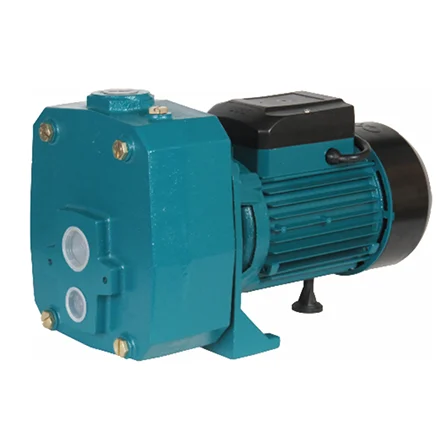
Domestic Water Pump Selection: A Practical Guide for Homeowners and Installers
Choosing a domestic water pump is much easier when you start by analyzing the water system rather than just looking at the motor label. From a pump selection adviser's perspective, the most useful question is not about horsepower, but about what flow rate, pressure, vertical lift, pipe run, and water source the system must handle simultaneously. A pump that looks powerful on paper can still deliver disappointing pressure if its performance curve does not match the actual duty point.
This comprehensive guide gives homeowners, installers, and property managers a practical framework to compare a domestic water pump for household supply, garden irrigation, rainwater transfer, or pressure boosting. Environmental conditions matter significantly because a suitable choice for a shallow tank is rarely ideal for a deep well or a basement drainage job. Furthermore, understanding the interaction between hydraulic requirements and mechanical limits ensures long-term reliability and energy efficiency across various residential installations.
Identify the Specific Role of Your Domestic Water Pump
The first step requires naming the job in plain language. A domestic water pump usually falls into one of five distinct operational roles:
-
Pressure boosting for improving flow at taps, showers, or upper floors.
-
Shallow well or tank supply for drawing clean water into a home distribution network.
-
Submersible well supply for pushing water upward from deeper underground sources.
-
Transfer or irrigation for moving stored water to a garden, storage tank, or agricultural zone.
-
Drainage for removing unwanted water from a sump, cellar, or flooded basement.
These roles often overlap, but they remain functionally non-interchangeable. A drainage pump moves large volumes at low pressure, whereas a booster pump maintains steady pressure in a closed domestic network. Many buyers initially focus on price, only to discover that head requirements ultimately determine whether the installation succeeds or fails. Selecting the correct configuration from the beginning prevents costly replacements and ensures optimal daily performance.
Calculate Demand and System Head Before Buying
Estimate Simultaneous Water Use
List every water outlet that might run at the same time, such as a shower, kitchen tap, toilet refill, washing machine, or garden hose. Peak-use scenarios dictate the required flow rate. A domestic water pump sized for only one tap feels weak immediately when a second household fixture opens. Factoring in future expansion or additional household members also helps prevent under-sizing the installation.
Work out Total Dynamic Head
Head encompasses much more than simple vertical height. Installers must combine the vertical rise from the water level to the highest outlet, the desired pressure at that fixture, and the friction losses through pipes, valves, filters, bends, and fittings. This combined measurement represents the total dynamic head. Long narrow pipework, dirty filters, or excessive elbows shift the operating point downward.
Evaluating the pump curve where required flow and head intersect is essential. Relying solely on maximum head or maximum flow listed separately is misleading because manufacturers measure those extremes under completely different conditions. A properly specified domestic water pump provides the target flow at the calculated head with a sensible operational safety margin.
Match the Pump Type to the Water Source Conditions
Surface Pumps for Accessible Sources
Surface pumps work well when the water source stays close to the pump house and suction lines remain completely airtight. However, suction lift has strict physical boundaries. Standard installation references place practical surface pump suction limits around seven to eight meters under normal conditions. Friction, altitude, warm water, and tiny air leaks reduce this threshold further. If water levels drop below that range, a submersible option provides a much safer starting point.
Submersible Pumps for Deeper Wells
A submersible domestic water pump operates directly from inside the water source, pushing water upward rather than pulling it from above. This design suits deeper wells perfectly, provided the pump diameter, dynamic water level, cable length, discharge pipe size, electrical protection, and service access are verified beforehand. Submersible units generally operate quieter because the water acts as a natural sound dampening barrier.
Booster Systems for Low Mains or Tank Pressure
Properties with an existing water supply suffering from unstable pressure require a booster arrangement tailored to both incoming supply and household demand. Integrating a pressure tank or digital controller minimizes rapid cycling. Repeated short cycles increase noise levels and mechanical wear, making proper controller settings crucial for long-term durability.
Ensure Water Quality and System Compatibility
Different water sources place unique demands on pumping equipment. Clean water, sand-bearing water, rainwater, and lightly contaminated drainage water require distinct impeller materials and seal designs. Confirming the permitted solids size and the manufacturer's intended liquid type prevents premature failure. A domestic water pump engineered for clean water cannot tolerate abrasive sediment without rapid wear to seals and impellers.
Pipe diameter, inlet strainers, non-return valves, isolation valves, electrical voltage, frequency, earthing, and dry-run protection demand careful inspection. This turns selection logic into a comprehensive system check. Flyaway provides advanced engineering support and reliable manufacturing solutions, helping global clients match customized pump configurations and accessories to demanding residential and commercial fluid transfer requirements with exceptional reliability.






