
 EN
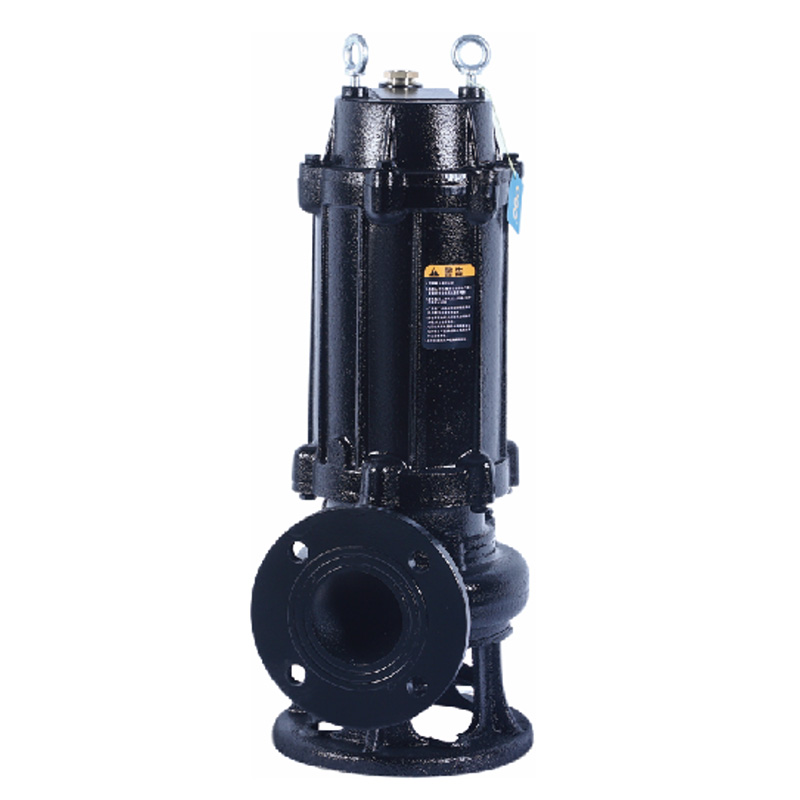
Comprehensive Guide to Selecting a Deep Well Pump
Choosing a deep well pump is never just a simple matter of matching an equipment nameplate to the depth written on an old drilling log. A truly reliable choice always starts with understanding the unique water source, the ultimate delivery point, and the actual workload the mechanical system must perform between them. From a professional pump-selection perspective, the most useful question to ask is not simply which model suits a random duty point, but rather which unit can comfortably meet that exact duty point without being forced beyond the efficient segment of its operational curve.
This crucial distinction prevents a common and costly purchasing mistake. Many buyers initially shop purely based on upfront price or motor horsepower. After dealing with an underperforming installation, they quickly realize that well drawdown, pipe friction losses, required pressure, water quality, and electrical supply stability matter just as much. Use this comprehensive guide to gather the correct field data before you compare candidate systems.
Start with the Actual Job Instead of a Catalog
A deep well pump typically serves a residential home, a commercial farm, an irrigation zone, a livestock watering system, or a small municipal facility. Each distinct application demands a totally different flow pattern. A home requires steady pressure backed by a pressure tank; crop irrigation needs a guaranteed volume during a narrow watering window; a remote tank-filling setup can accept a slower flow rate but requires a very long vertical lift. Write down your peak demand, when it happens, and whether the system requires active pressure at the discharge outlet.
For most deep wells, a specialized submersible pump is the practical starting point because the entire hydraulic assembly works safely below the water level and pushes liquid upward rather than pulling it. While jet arrangements can suit specific shallow or specialized installations, your choice should always follow well construction parameters rather than generic rules. Never assume a unit advertised for a specific depth will automatically fit your specific working environment.
Critical Measurements to Collect Before Sizing
Before jumping into sizing, collect accurate field measurements. Knowing the static water level represents the distance from ground level down to the resting water table. The pumping water level, or drawdown, measures the water surface while liquid is actively being withdrawn at your target rate. You must also calculate the vertical rise to delivery by tracking the height from the pumping water level up to the storage tank, field, building, or highest outlet.
Record your required flow in gallons or litres per minute for simultaneous fixtures, irrigation zones, or tank filling. Remember that pressure tanks, sprinklers, filters, and elevated outlets add an extra pressure requirement that a deep well pump must overcome. Document pipe details including inner diameter, material type, total run length, bends, valves, and filtration equipment because these directly dictate friction loss. Finally, check your well casing dimensions, sand or sediment presence, corrosion risks, water chemistry, and the electrical power supply specifications including voltage, phase, and cable run lengths.
Calculate the True Duty Point: Flow Plus Total Dynamic Head
Your primary selection target is a precise flow-and-head duty point. Total dynamic head represents the combined resistance that your deep well pump must overcome, encompassing vertical lift, the lowered drawdown water level, required delivery pressure, and internal component friction losses. Friction scales up rapidly as flow increases and becomes massive in undersized or overly long pipe runs.
A reliable working sequence involves determining your desired flow, establishing the pumping water level, adding delivery elevation, converting required pressure to head, and adding all pipe friction losses. Read your candidate pump curve at this combined head and target flow rather than relying on the maximum-head figure printed on marketing brochures. Selecting far more flow than the well can sustainably produce leads to surging, well drawdown, sediment disturbance, and wasted electricity.
Match Equipment to Well Construction and Water Quality
Confirm your pump outside diameter against the deep well pump casing inside diameter, leaving sufficient clearance for proper motor cooling and physical installation. Water quality dictates material choices. Sand, abrasive solids, mineral scale, high salinity, and corrosive conditions drastically shorten mechanical service life. Share a thorough water analysis or source description with your supplier so intake protection and alloy selections match the real water environment.
Electrical compatibility is equally critical. The motor must match your available utility supply, and power cables must be properly sized for the total run and electrical load. Verify operating voltages, phase configurations, control boxes, overload protection, grounding, and low-water protection.
Compare Options Based on Total Value and Reliability
Never compare options purely by initial purchase price. The superior deep well pump choice meets your exact duty point near its best efficiency range, features readily available replacement parts, and offers reliable manufacturer support. For agricultural and commercial project buyers, checking lead times for motors, control boxes, cables, and hydraulic ends prevents extended downtime.
When you need dependable engineering support and robust manufacturing solutions for your water infrastructure projects, Flyaway delivers high-performance pumping systems and expert pre-sales guidance to match your exact field requirements.






