
 EN
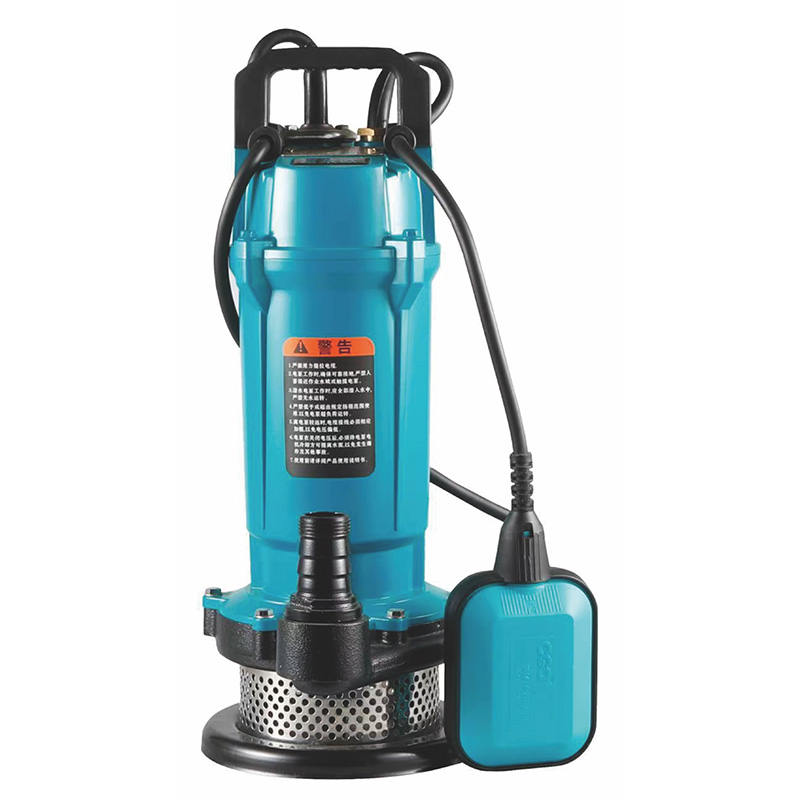
Selecting the Right Constant Pressure Water Pump for Global Projects
Choosing a constant pressure water pump is rarely just about picking the model with the biggest rating on the motor label. When distributors supply booster systems for everything from residential apartments to light commercial wash areas and agricultural irrigation zones, the real challenge is matching equipment to actual site conditions. A pump that looks great on paper can cause endless commissioning headaches if the hydraulic profile or control setup does not fit the environment.
A thorough pump selection process goes far beyond a quick glance at maximum flow specifications. Distributors and installers need a clear framework to evaluate duty points, control methods, and installation variables before placing volume orders. This approach prevents avoidable returns, minimizes support calls, and ensures long-term customer satisfaction.
Why the System Matters More Than the Pump Label
Before comparing any constant pressure water pump options, building a complete job sheet is essential. Different applications require stable pressure, but their daily duty cycles vary wildly.
-
Required Flow: Estimate simultaneous demand rather than adding every single fixture at full theoretical capacity.
-
Required Pressure: Define the exact water pressure needed at the farthest or highest outlet, not just at the pump discharge flange.
-
Elevation and Friction: Account for vertical static lift alongside realistic pipe friction losses from long runs, fittings, filters, check valves, and meters.
-
Water Source Conditions: Confirm incoming pressure, source tank level fluctuations, ambient temperature, and potential exposure to sand or air pockets.
-
Operating Patterns: Determine whether the system runs continuously, cycles through short bursts, or experiences wide hourly flow swings.
Many buyers focus entirely on head pressure initially, only to discover later that system performance depends heavily on pipe resistance and outlet design. Evaluating a constant pressure water pump in isolation can be misleading. An undersized pipe run, a clogged pre-filter, or a poorly positioned pressure sensor can make a properly sized unit appear weak and inadequate.
Decoding Constant Pressure and Variable-Speed Controls
In modern booster applications, a constant pressure water pump typically relies on an integrated pressure sensor and a variable-frequency drive (VFD). As demand changes, the controller adjusts motor speed dynamically. When an outlet opens, the system ramps up speed to maintain the target setpoint. When demand drops, it slows down smoothly. This operation contrasts sharply with traditional on-and-off booster setups that constantly cycle between upper and lower pressure thresholds.
However, advanced control electronics cannot fix poor hydraulic sizing. The pump still operates along a specific performance curve, and the piping network still introduces friction losses. A VFD can compensate effectively within its operating range, but it cannot turn an entirely unsuitable pump selection into a balanced system. Always cross-reference the target pressure setpoint against the pump curve at both expected minimum and peak flow conditions.
Calculating Duty Points and Managing Low-Flow Scenarios
The correct duty point represents the precise flow rate and total dynamic head required during normal daily operation. Combine elevation differences, required outlet pressure, and system friction losses accurately, and document these assumptions on your quotation sheet.
Avoid sizing systems solely for extreme theoretical maximums. An oversized variable-speed booster pump often runs at unsuitably low speeds, struggles to regulate tiny trickles, and drives up initial equipment costs. Conversely, an undersized unit stays pinned at maximum speed during peak hours without ever reaching the desired pressure. Finding a balanced working point ensures smooth operation with a healthy margin for seasonal shifts.
Low-flow conditions frequently expose hidden installation weaknesses. If only a single small faucet is running, the control system needs a stable feedback signal and sufficient system volume to prevent rapid hunting or cycling. Review minimum-flow thresholds, sleep-mode logic, pressure tank sizing, and sensor placement with your installation partners rather than relying solely on pump nameplate data.
Matching Construction Materials to Water Quality
Because a variable-speed booster pump operates as part of an interconnected water network, source water quality dictates material longevity. Clean municipal supply, stored rainwater, and raw well water carry entirely different risks. Confirm whether pre-filtration, low-water cutoff protection, or specialized hydraulic configurations are necessary.
Never assume standard pumps can handle abrasive, highly corrosive, high-temperature, or contaminated media unless the manufacturer explicitly confirms material compatibility and operational limits. Furthermore, evaluate physical installation spaces, ventilation clearances around the VFD drive enclosure, stable electrical power supplies, and weather protection. For global distributors supplying diverse regional markets, clarifying voltage, frequency, connection sizes, and local documentation requirements early ensures a smoother deployment after shipment.
Evaluating Control Logic and Diagnostic Features
While end users often focus heavily on impeller materials and motor wattage, the onboard controller actually dictates how the system responds to daily challenges. Key control aspects include adjustable ramp behaviors, setpoint tuning, manual override modes, and intelligent restart protocols after power interruptions.
A reliable unit must feature robust built-in protections against dry running, thermal overload, abnormal pressure spikes, and communication faults. Clear wiring diagrams and accessible diagnostic codes empower technicians to troubleshoot issues rapidly in the field. Equipment features are only valuable if the local service team can easily configure and diagnose them.
Manufacturing Excellence and Global Supply Chain Support
For international distributors, selecting a booster pump involves more than a pure hydraulic calculation. Long-term project success depends heavily on transparent model identification, clear performance curves, dependable spare-parts availability, reliable lead times, and responsive pre-sale technical support.
As a trusted industry manufacturer, Flyaway delivers engineered pump solutions tailored to global distribution networks. Rather than pushing universal, one-size-fits-all models, Flyaway collaborates closely with distribution partners based on detailed application briefs. By verifying supplier manufacturing capabilities, quality control standards, and after-sales support networks early in the procurement cycle, distributors build a much more defensible and profitable product portfolio.
Essential Pump Selection Checklist
-
Document peak and typical daily flow demands accurately.
-
Calculate total dynamic head, including static elevation and piping friction losses.
-
Specify the required pressure setpoint directly at the critical end outlet.
-
Review the pump performance curve across normal, peak, and low-flow conditions.
-
Verify VFD parameters, sensor locations, protection functions, and control settings.
-
Inspect source water quality, inlet conditions, electrical supply parameters, and site environment.
-
Request configuration-specific technical documentation and service guides from Flyaway.
Ultimately, the ideal variable-speed booster pump is not simply the unit with the highest headline specifications. It is the model whose hydraulic range, control intelligence, build quality, and comprehensive supply chain support fit the real-world demands of the end user. With a clear duty sheet and disciplined curve evaluation, distributors can deliver reliable systems that streamline installation and build lasting market trust.






