
 EN
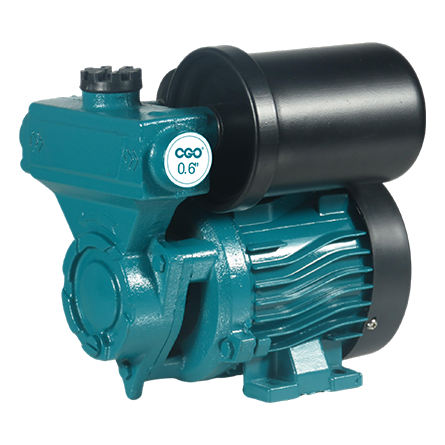
Circulation Pump Selection: A Comprehensive Engineering Guide for System Installers
Choosing a circulation pump is rarely about finding the biggest motor on the market or relying on rough estimates. Instead, long-term operational success relies heavily on matching a circulation pump directly to the specific hydraulic loop it serves. A reliable circulation pump keeps fluid moving smoothly through a closed loop, whether handling hydronic heating, chilled-water distribution, domestic hot-water recirculation, or industrial process cooling. From an experienced system designer's perspective, the ideal starting point is never a generic catalog page. The true foundation lies in evaluating the operational duty: required flow rate, total system resistance, fluid characteristics, temperature ranges, control setups, and physical installation constraints.
Many buyers initially compare products based purely on initial price or maximum head ratings. While understandable, a circulation pump that looks impressive on paper can still become noisy, inefficient, or unreliable if its performance misses the actual system curve. The practical objective is achieving a stable operating point with adequate safety margins for expected variations, rather than chasing a misleading headline specification. Proper evaluation prevents premature mechanical wear, reduces unexpected maintenance downtime, and eliminates unnecessary energy consumption across residential and commercial fluid transfer networks. Furthermore, modern commercial facilities demand strict energy efficiency, meaning that proper initial calculation saves substantial operational expenditures over the entire lifecycle of the mechanical equipment. When facility managers prioritize precise engineering over guesswork, overall system reliability skyrockets.
Confirm the Application is a True Circulation Duty
A circulation pump typically moves liquid around a closed loop rather than lifting it from a permanently lower reservoir to a higher one. Within a closed loop, the elevation on the supply side balances out with the return side once the system fills and pressurizes completely. Consequently, the circulation pump must primarily overcome friction losses generated by pipes, fittings, valves, heat exchangers, coils, filters, and flow meters. Sizing decisions should never rely solely on total building height or static elevation.
This distinction remains vital because transfer pumps, booster pumps, and circulation pumps handle fluids differently despite superficial similarities. Sketching the entire loop helps identify where fluid travels, where pressure drops occur, and whether temporary fill or venting conditions create unique requirements. If an installation involves an open loop, significant static lift, or fluctuating liquid levels, consulting an engineer ensures safe and effective equipment selection. Understanding these fundamental differences avoids costly sizing errors during the early planning stages, ensuring that fluid dynamics work in harmony with mechanical output. Proper planning also eliminates unnecessary power consumption and prevents premature cavitation issues that often plague incorrectly specified units.
Build the Operational Duty Point Before Comparing Models
Calculate Flow and System Resistance Precisely
The two core parameters for any circulation pump are required flow rate and head resistance at that specific flow. Flow rate stems directly from the thermal or process load, such as heat carried by a hydronic loop or cooling demand for specialized equipment. Head represents total pressure loss at design flow, including straight pipe runs, elbows, control valves, strainers, coils, and allowances for components accumulating debris over time.
Because friction loss rises alongside flow speed, the system curve forms a dynamic curve rather than a flat number. Choosing a proper circulation pump requires plotting this curve against the manufacturer's performance charts to locate the exact operating point. Requesting performance data matched to the precise operating speed, impeller size, and voltage prevents costly performance mismatches. Accurate system calculations eliminate guesswork and provide a reliable engineering basis for long-term facility management. Neglecting minor friction losses in long branch pipes can lead to under-performance at remote heat exchangers, making meticulous calculation essential for success.
Avoid Relying Solely on Maximum Ratings
A common pitfall involves sizing a circulation pump using shutoff head or peak flow figures. Neither metric indicates how the unit behaves under everyday design conditions. Installers should look for operating points residing safely inside the manufacturer's recommended region near the best-efficiency area. Oversizing leads to excessive flow, valve noise, wasted energy, and unstable control loops, while undersizing leaves remote zones starved of thermal energy. Balancing these factors ensures harmonious operation across variable loads and seasons.
Choose the Right Construction Materials for Fluid and Environment
Next, evaluate what fluids the circulation pump will actually process. Clean water, treated water, glycol mixtures, domestic hot water, and process chemicals place distinct demands on internal seals, elastomers, bearings, impellers, and housing materials. Documenting fluid composition, operating temperatures, viscosity, and solids content protects system longevity and prevents chemical corrosion or premature component breakdown.
Physical installation space also dictates the ideal model. Checking power supply compatibility, ambient temperatures, servicing access, allowable noise limits, connection sizes, and mounting orientation ensures the circulation pump fits seamlessly into the plant room. Flyaway delivers advanced engineering support and durable manufacturing solutions, helping international clients match high-performance pump configurations and robust accessories to rigorous industrial fluid transfer demands with exceptional reliability, custom supply chain services, and superior manufacturing craftsmanship.






