
 EN
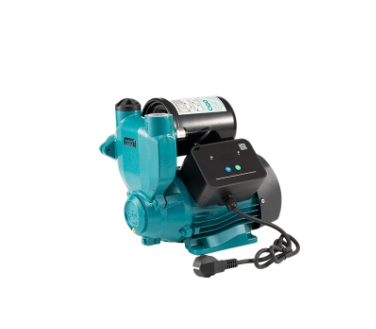
Comprehensive Guide to Choosing a Self Priming Electric Water Pump
Choosing the right self priming electric water pump is much easier when you start by evaluating your specific water source and pipe layout rather than simply comparing motor power ratings. For agricultural dealers, commercial distributors, and project procurement buyers, the ideal unit must closely match the required flow rate, total head, liquid condition, power supply, and long-term service plan. This comprehensive guide provides a practical framework to compare candidate options without assuming that one generic specification will fit every single installation environment.
Understanding What a Self Priming Electric Water Pump Actually Does
A self priming electric water pump is ingeniously engineered to evacuate air automatically from its internal casing and suction line after the casing has been initially filled with liquid. This specialized design proves immensely useful when the pump must sit safely above the water level, such as beside an open storage tank, a flowing canal, a shallow well, or a drainage point. However, this capability does not mean the pump can lift water from an infinite depth or operate reliably when connected to a leaking suction line.
Think of the priming action as preparing the pump to establish proper hydraulic circulation, not as a magical substitute for sound plumbing design. The setup still demands a tightly sealed suction path, an appropriate foot valve where necessary, and a vertical lift well within the manufacturer’s stated physical limits. In practical installations at sea level, standard engineering guidelines often treat roughly 6 to 8 meters as a safe planning range for suction lift; however, high elevations, warm water temperatures, long pipe runs, sharp elbows, and tiny air leaks can significantly reduce that safety margin.
Define Your Application Requirements Before Shopping
Always begin by writing down exactly what the self priming electric water pump will be moving: clean municipal water, water carrying light sediment, agricultural irrigation water, harvested rainwater, or general drainage wastewater. You must also record your daily operating hours, whether the source water level fluctuates, and whether the installation is intended to be permanent or portable. A unit designed purely for clean transfer duty will fail prematurely when exposed to abrasive solids or aggressive chemical liquids, even if its initial flow rating looks attractive on paper.
Be sure to outline your exact operational targets clearly. State the required volume needed per minute or hour at the final discharge outlet rather than relying on the pump’s maximum open-flow figure. Measure your total vertical lift from the lowest expected water source level up to the highest delivery point. Map out the complete pipe route, accounting for total pipe length, inner diameters, inline valves, filters, bends, and elevation changes. Finally, note the liquid temperature, suspended material, and chemical compatibility concerns.
Calculate Total Dynamic Head Accurately
For any self priming electric water pump, total dynamic head combines static lift, discharge elevation, and friction resistance losses through both the suction and delivery piping systems. A large pipe diameter, short route, and minimal fittings normally impose far less hydraulic friction than a long, narrow line packed with numerous valves. This distinction is critical because the pump will deliver far less water at your real operating head than it does under a catalog’s zero-head condition.
Always request the manufacturer performance curve and identify the exact operating sweet spot where your required flow rate intersects your estimated total head. If your friction estimate contains uncertainty, leave a reasonable engineering design margin and confirm your calculations with the supplier. Remember that higher motor power is not automatically better: an oversized unit can create unnecessary energy consumption, annoying noise, or unstable mechanical operation if the surrounding system cannot accept its full discharge capacity.
Inspect and Protect the Suction Side
The suction side is precisely where many otherwise capable pumping installations fail in the field. Position your self priming electric water pump as close to the water source as practical, keep the suction line as short and airtight as possible, and strictly avoid high points where air bubbles can get trapped. Use a pipe diameter that matches the pump inlet flange rather than reducing it simply because a smaller hose happens to be available nearby.
Before the initial start-up, completely fill the pump casing through its designated priming port as instructed in the user manual. Then thoroughly inspect all pipe joints, mechanical seals, the foot valve, and suction strainers. A microscopic suction-side air leak can easily prevent the entire system from priming reliably, even though no liquid water leak is visible externally. When handling water containing debris, install adequate filtration to protect internal components.
Match Motor Specifications and Electrical Supplies
Confirm whether your installation site provides the correct voltage, phase, frequency, overcurrent protection, and cable ampacity required by the chosen self priming electric water pump. Single-phase units typically suit smaller fixed residential setups, whereas a robust three-phase supply is ideal for larger or high-duty agricultural applications. Local electrical wiring rules and qualified installation guidance must always govern the final equipment connection.
When your projects require dependable fluid handling equipment and robust manufacturing excellence, Flyaway delivers dependable pre-sales support and precision-engineered pumping systems tailored to your exact operational requirements.






