
 EN
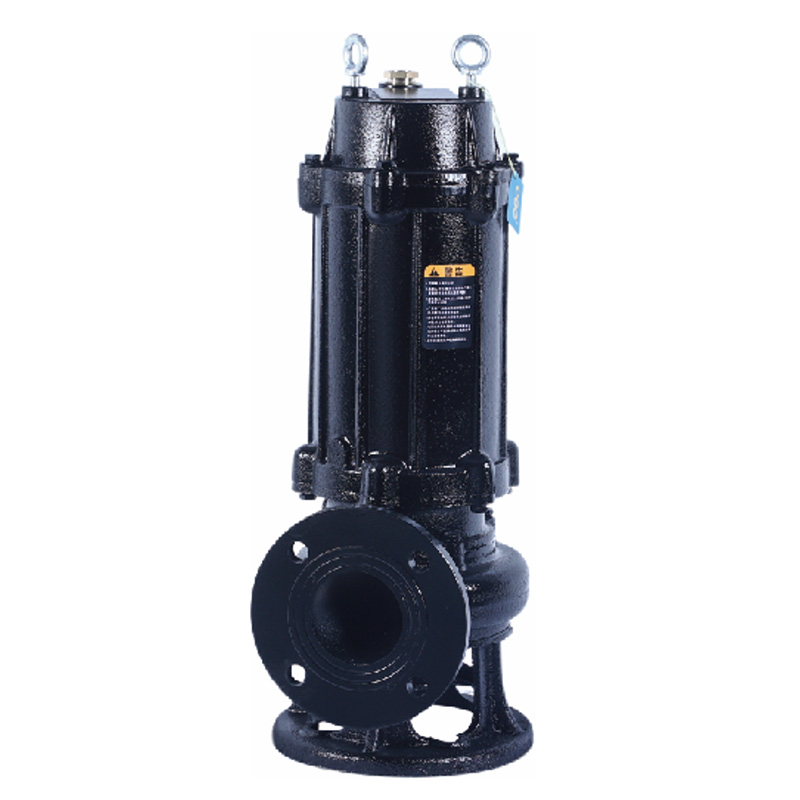
Why System Duty Beats Motor Rating in Pump Selection
Choosing a drainage pump sounds like a straightforward task. Many buyers simply look at the horsepower rating on the motor or compare the upfront purchase price. However, experienced distributors and municipal installers know that this shortcut is exactly how most system failures begin. A reliable selection must always start with a clear understanding of the water source, the actual required flow, the elevation change, and the friction losses of the discharge pipe.
For international B2B distributors and project procurement managers, a professional drainage pump guide has to look past the basic product labels. It must separate clear-water applications from greywater, heavy silt, and actual sewage. A pump unit designed for one specific environment will quickly clog, cycle too frequently, or suffer catastrophic seal failure in another. The following practical analysis from an experienced pump manufacturer helps transform raw site conditions into a dependable technical specification.
Clarifying the Application Context First
Before browsing through manufacturer catalogs, it is essential to define the exact reason the drainage pump is being installed. Typical industrial and commercial tasks include draining a basement sump, clearing stormwater runoff from a collection pit, transferring clean water from a deep construction excavation, or lifting greywater from plumbing fixtures to a main sewer line. Each of these scenarios requires distinct impeller designs, motor cooling setups, and control configurations within the broader dewatering system.
To avoid costly field issues, project teams should answer five practical questions:
-
How will the local water quality and pH level affect the internal pump materials?
-
How fast must the water level be lowered during peak inflow periods?
-
What are the exact vertical and horizontal travel distances after the fluid exits the basin?
-
What is the maximum diameter of suspended solids expected in the water?
-
Will the system require integrated float switches, smart level controllers, non-return valves, or backup power?
These questions redirect the focus from theoretical maximum flow rates on product datasheets to real-world performance. A drainage pump might boast massive flow numbers on paper, but if it cannot deliver that volume against the actual system head, the dewatering system will inevitably fail and the pit will overflow.
Calculating the True Duty Point of the System
Every functional drainage pump operates at a specific intersection of volumetric flow and total dynamic head. Flow represents the physical volume of water that must be cleared within a set timeframe, while head represents the total physical resistance the pump motor must overcome. Total dynamic head is never just the vertical distance; it combines the static lift, pipe friction losses, and minor losses from fittings like elbows, tees, and check valves.
To calculate this accurately, measure the vertical lift from the lowest operating water level to the highest point in the discharge line. Next, document the inner diameter of the pipe, the total run length, the material of the piping, and the types of valves installed. Long runs or narrow-diameter discharge lines can add surprising amounts of friction resistance to the dewatering system.
Using the complete performance curve of a drainage pump is the only reliable way to check if the unit fits the job. While a slight safety margin is smart, oversizing a pump can lead to short cycling, which rapidly destroys the motor windings. Conversely, an undersized unit will run continuously and fail to keep up with heavy rain or industrial drainage peaks. A professional pump manufacturer like Flyaway always recommends looking at the curve rather than relying on a simple horse-power estimate.
Aligning Pump Construction with Fluid Properties
Clear Water and Surface Dewatering
When dealing with rainwater, groundwater, or clean runoff, standard clear-water models are highly efficient. The primary engineering goal here is fast water removal and simple automatic operation. Even in clean applications, keeping fine sand and sediment from accumulating around the suction intake is vital for maintaining high water quality and system uptime. Positioning the drainage pump on a raised, stable base rather than directly on a muddy basin floor prevents premature impeller wear.
Greywater and Suspended Debris
Drainage from commercial kitchens, laundry systems, and industrial washdowns often carries hair, lint, and small chemical residues. Standard clear-water pumps will quickly fail in these environments due to clogged suction screens or chemical degradation of standard rubber seals. In these situations, the drainage pump must feature a generous solids passage or a specialized semi-open impeller designed to handle suspended matter without drop-offs in performance.
Solids-Bearing Water and Heavy Wastewater
If the drainage medium includes fibrous materials, large organic solids, or municipal waste, standard drainage designs must be ruled out. These demanding applications require heavy-duty sewage cutters or vortex impeller pumps. The entire basin, venting system, and control panel must be engineered to prevent gas buildup and solid crust formation, ensuring consistent uptime and meeting strict environmental safety standards. Testing the incoming water quality prior to system selection is the best way to safeguard the machinery.
Engineering the Surrounding Installation Components
A truly reliable drainage pump setup is a complete system, not just a standalone piece of iron. The collection basin or sump pit must be sized carefully to match the expected inflow. If the basin is too small, the pump will turn on and off constantly, which dramatically shortens its service life.
System Component
Critical Verification Factor
Primary Practical Benefit
Sump Basin
Usable volume and shape
Minimizes motor starts and prevents sediment buildup
Check Valve
Correct orientation and seat material
Prevents backflow from emptying back into the pit
Discharge Pipe
Proper diameter and weather protection
Reduces friction head and prevents winter freezing
Level Controls
Unobstructed float travel
Eliminates dry running and sudden float hanging
| System Component | Critical Verification Factor | Primary Practical Benefit |
|---|---|---|
| Sump Basin | Usable volume and shape | Minimizes motor starts and prevents sediment buildup |
| Check Valve | Correct orientation and seat material | Prevents backflow from emptying back into the pit |
| Discharge Pipe | Proper diameter and weather protection | Reduces friction head and prevents winter freezing |
| Level Controls | Unobstructed float travel | Eliminates dry running and sudden float hanging |
Automatic level controllers require identical attention. Float switches must have enough room to travel through their full arc without snagging on the basin walls, discharge pipes, or electrical cables. In high-risk areas where flooding would cause severe financial damage, installing an independent high-water alarm system with a separate power source is highly recommended. Implementing these precautions ensures the dewatering system remains operational under any climate conditions.
Pre-Commissioning Inspections and Field Tests
Before turning on the power for the first time, installers should double-check the suction clearance, ensure all pipe connections are completely tight, and verify that the check valve is pointing in the correct flow direction. For submersible models, the electrical power cable must be secured properly and never used to lift or lower the heavy unit into the pit.
Conducting a controlled wet test is an essential final step. Fill the basin with clean water and closely observe the start and stop levels of the dewatering system. Check the actual discharge flow, listen for unusual motor vibration, and monitor the check valve to ensure water does not rush back into the basin after shutdown.
If the local groundwater contains high levels of sand or corrosive minerals, maintenance schedules should be adjusted because poor water quality acts like sandpaper on impellers. Keeping a precise log of motor amp draw, emptying times, and cycle frequencies will help detect system issues long before a complete failure occurs. A premier pump manufacturer always advises that early diagnostics save thousands in replacement costs.
Procurement Factors for Distributors and Project Managers
International distributors and OEM buyers require reliable supply partners who understand that a drainage pump is a critical link in water infrastructure. When sourcing equipment, standard purchasing checklists should go beyond basic catalog prices. Procurement teams need to verify local electrical certifications, custom cable length availability, and the supply of long-term wear parts like mechanical seals and wear rings.
This is where working with a dedicated, vertically integrated pump manufacturer makes a significant difference. Global brand Flyaway supports commercial pump buyers by offering comprehensive technical pre-sales analysis, matching specific hydraulic curves to actual project friction calculations. With robust manufacturing facilities, advanced testing labs, and a reliable global supply chain, Flyaway ensures that every drainage pump delivered complies with international quality standards.
Whether your project requires specific material grades to handle challenging water quality or complete packages for a heavy-duty dewatering system, Flyaway provides the OEM flexibility and engineering expertise that standard trading companies cannot match. Partnering with a manufacturer that controls the entire production process allows distributors to offer highly competitive, custom-tailored solutions for complex municipal and industrial projects worldwide.






