
 EN
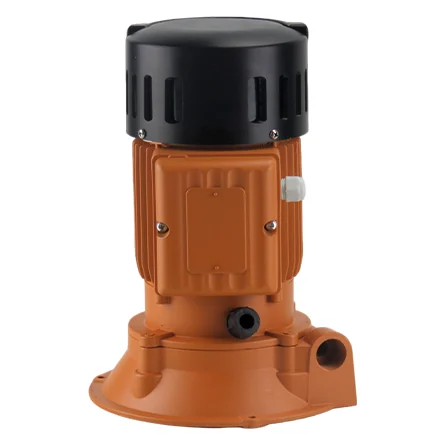
Matching Real Flood Conditions Beyond Nameplate Horsepower
When catastrophic floodwater begins encroaching on commercial properties, industrial yards, public utility trenches, or municipal facilities, a rapid-response drainage pump serves as the primary line of defense. However, procurement officers and emergency response managers often make the costly mistake of focusing solely on nominal motor horsepower or advertised maximum flow ratings. True operational success during rising water depends entirely on matching the pump hydraulics to fluid composition, vertical lift, total hose resistance, and available power infrastructure.
An industrial drainage pump functions as an integral element within an overarching emergency flood dewatering strategy. While standard catalog ratings display optimal laboratory performance, emergency field deployments present hostile real-world variables: silt contamination, unpredictable debris, fluctuating electrical supplies, and restricted discharge routes. Experienced mechanical contractors recognize that selecting equipment based on genuine duty requirements prevents motor burnouts, clogged impellers, and costly system downtime when every second counts.
Critical Field Applications for Flood Dewatering
Emergency water intrusion varies significantly depending on physical location, topographical grade, and structural layout. Understanding distinct deployment zones helps project managers allocate appropriate pumping assets effectively:
-
Basements and Sub-Surface Service Vaults: Enclosed underground areas often trap rising stormwater quickly. Portable units with compact motor footprints allow swift positioning within tight sumps, while dedicated discharge lines direct water safely beyond structural foundation boundaries.
-
Logistics Courtyards and Commercial Loading Docks: Below-grade access ramps act as natural catch basins during intense cloudbursts. Deploying high-capacity equipment provides rapid relief while municipal culverts are unblocked or perimeter sandbag barriers are reinforced.
-
Excavation Pits and Infrastructure Trenches: Open construction sites transform into muddy lagoons within minutes of severe rainfall. Equipment deployed in these environments must handle abrasive slurry, suspended stones, and continuous hose repositioning as water levels recede.
-
Agricultural Holdings and Irrigation Pump Houses: Rural floodwaters threaten grain storage facilities, feed silos, and vital electrical panels. Controlled evacuation prevents severe structural erosion, provided discharge hoses do not divert flood flows toward neighboring buildings.
-
Municipal Emergency Maintenance Deployments: Mobile flood-response crews require versatile pumping hardware equipped with standard camlock couplings, allowing rapid mobilization when municipal storm sewer networks exceed operational capacity.
Analyzing Water Quality and Solids Ingestion Risks
Clean rainwater, muddy surface runoff, and storm-driven floodwater exhibit vastly different hydraulic behaviors. Deploying a narrow-clearance clean-water drainage pump into silty floodwater carrying sand, leaves, and synthetic debris inevitably leads to choked suction strainers and motor overheating. Conversely, utilizing heavy-duty solids-handling units for clear surface water increases capital costs and fuel consumption without delivering measurable advantages.
Floodwater Environment
Typical Contaminant Matrix
Recommended Impeller & Casing Configuration
Paved Yard Seepage
Clean surface rain, light dust
High-efficiency semi-open impeller with fine suction strainer
Construction Runoff
Heavy silt, abrasive grit, gravel
High-chrome alloy components with hardened vortex impellers
Storm Overflow
Leaves, twigs, fibrous debris
Large free-passage vortex design with anti-clogging clearances
| Floodwater Environment | Typical Contaminant Matrix | Recommended Impeller & Casing Configuration |
|---|---|---|
| Paved Yard Seepage | Clean surface rain, light dust | High-efficiency semi-open impeller with fine suction strainer |
| Construction Runoff | Heavy silt, abrasive grit, gravel | High-chrome alloy components with hardened vortex impellers |
| Storm Overflow | Leaves, twigs, fibrous debris | Large free-passage vortex design with anti-clogging clearances |
Evaluating abrasive suspended grit is critical for equipment longevity. Sand particles act like continuous grinding paste against mechanical seals and internal casing liners. Sourcing machinery from a seasoned pump manufacturer ensures access to specialized components, such as double silicon carbide shaft seals and wear-resistant polyurethane liners, which safeguard internal motor compartments from moisture penetration under harsh flood dewatering duties.
Managing Elevation Lift and Friction Loss in Hose Lines
Every functional drainage pump must overcome both static elevation and dynamic friction resistance. As discharge hoses extend over long distances, up access stairs, or across uneven terrain, friction losses reduce delivered discharge capacity dramatically. A pump that clears a shallow test tank with ease may deliver negligible flow when pushing water through two hundred meters of corrugated discharge hose.
Pre-deployment planning requires accurate calculation of total dynamic head. Operators should record the vertical distance from the water surface to the final discharge point and add calculated pipe friction losses. Using collapsible layflat hoses with undersized inner diameters creates intense internal friction, severely strangling volumetric output. Utilizing rigid spiral-reinforced hoses with generous inner diameters allows the drainage pump to operate near its peak efficiency point, maximizing water evacuation velocity during urgent flood dewatering operations.
Power Supply Reliability and Submersible Pump Deployment
Widespread flood emergencies frequently coincide with regional electrical grid collapses. Consequently, powering a mobile submersible pump requires careful preparation. When utilizing portable gasoline or diesel generators, procurement teams must account for high inductive starting currents. Submersible induction motors typically require starting currents up to three times their standard running amperage, meaning undersized generators will trip instantaneously under load.
Furthermore, waterlogged environments present extreme electrical shock hazards. All power connections must remain completely dry and isolated from standing water, utilizing industrial ground-fault circuit interrupters. While automatic mechanical float switches work reliably within standardized, enclosed basins, emergency flood response often benefits from supervised manual control. Irregular floating debris, plastic bags, and tree branches can easily trap mechanical floats in an open or closed position, risking severe motor dry-running damage.
Field Deployment Protocols and Inspection Standards
Executing an emergency pumping plan demands structured operational rigor to protect machinery and personnel alike:
-
Site Hazard Isolation: Technicians must verify electrical disconnections around submerged panels before entering standing floodwaters, adhering strictly to municipal safety regulations.
-
Discharge Route Clearance: Verify that discharge lines terminate into lawful drainage channels without triggering soil erosion or sending displaced water back toward the primary intake zone.
-
Intake Stabilization: Position the submersible pump on a solid concrete block or suspended cradle rather than settling directly into deep bottom silt, preventing suction choking.
-
Hose Integrity Checks: Eliminate sharp kinks, tight bends, and vehicle pinch points along the discharge hose route to minimize backpressure resistance.
-
Operational Monitoring: Observe fluid discharge velocity immediately following startup, listening for cavitational noise or mechanical vibrations that signal internal debris blockages.
-
Post-Operation Decontamination: Flush internal hydraulic passages with clean water after each deployment, clearing mud accumulation before storing the unit for subsequent emergency calls.
Sourcing from an Established Pump Manufacturer
When assembling emergency flood-response fleets for municipal bodies, regional equipment rental companies, or wholesale distribution networks, partnering with a proven pump manufacturer is essential. Competitive procurement requires more than baseline catalog pricing; project engineers need verified head-flow performance curves, strict electrical certifications, and ready availability of crucial replacement components like replacement impellers and mechanical seals.
Global engineering specialist Flyaway supports international distributors and commercial procurement teams with comprehensive fluid management systems. Operating modernized production facilities, automated stator winding lines, and precision computerized testing stations, Flyaway manufactures dependable equipment engineered to perform under extreme operational conditions.
Whether your market requires high-flow portable units configured for specialized grid voltages or heavy-duty cast-iron hardware designed for demanding flood dewatering operations, Flyaway provides reliable technical customization, OEM manufacturing flexibility, and robust supply chain integration. Aligning with an established manufacturing leader ensures that every submersible pump and industrial drainage pump delivers dependable hydraulic power, safeguarding vital community infrastructure when extreme weather strikes.






