
 EN
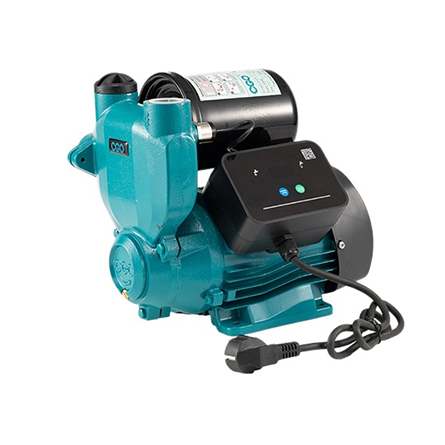
Domestic Water Pump Selection Guide
Finding yourself dealing with a weak shower stream or a sluggish garden hose is frustrating. Navigating water pump selection feels straightforward until you stare at technical specifications, motor sizes, and pump curves. Every property owner needs a reliable domestic water pump to keep daily routines running smoothly. Many buyers make the mistake of looking only at motor horsepower during water pump selection, only to end up with rapid cycling, fluctuating water pressure, or a system that burns out prematurely. Building a dependable residential supply system requires a comprehensive pump sizing guide approach that looks at your water source, the distance water must travel, and daily usage patterns. Using a proper pump sizing guide ensures your chosen domestic water pump meets every operational demand.
Understanding What Your Water System Actually Needs
A domestic water pump serves several distinct purposes depending on where water originates. Knowing your source prevents you from buying incorrect equipment during water pump selection. For instance, deep boreholes and wells require specialized submersible units. Meanwhile, shallow wells, cisterns, or holding tanks typically use surface models during water pump selection.
If municipal supplies enter your home with low incoming pressure, a water pressure booster arrangement helps stabilize flow across upper floors. Drainage pumps are built strictly to remove wastewater and can never replace a clean-water domestic water pump. Rainwater harvesting and garden storage setups also demand careful filtration and backflow protection. Flyaway provides robust engineering and manufacturing capabilities tailored for each hydraulic environment, ensuring your water pump selection process is seamless and backed by superior supply chain services.
Calculating Real Household Flow Demand
Before comparing motor ratings during water pump selection, focus on flow rate measured in gallons per minute. Flow represents how much water your household needs when multiple fixtures run simultaneously. Rather than counting every single faucet, focus on a realistic busy moment: one running shower, a kitchen sink tap, a toilet refilling, and a washing machine cycling.
Smaller properties typically operate smoothly around eight to twelve gallons per minute, while larger homes require twelve to fifteen gallons. If your domestic water pump cannot deliver this required flow at your actual working pressure, you will experience frustrating pressure drops. Utilizing a reliable pump sizing guide prevents oversizing or undersizing your setup. Flyaway supply chain services ensure you get exact component matching for your flow demands while utilizing a dependable water pressure booster when required.
Mastering Total Dynamic Head and Pressure
Total dynamic head combines every bit of resistance the domestic water pump must overcome. This includes vertical elevation, desired outlet pressure, and internal friction losses through pipes, elbows, valves, and water filters. Long pipe runs or undersized piping drastically increase friction, consuming more available head than anticipated in any proper pump sizing guide.
One pound per square inch of pressure equals roughly 2.31 feet of water head. Therefore, a standard target pressure of forty pounds per square inch requires about ninety-two feet of pressure head before factoring in vertical lift and friction. When reviewing equipment during water pump selection, read the manufacturer curve at the intersection of your required flow and total dynamic head. Calculating total dynamic head accurately ensures your domestic water pump operates at peak efficiency. Choosing a model whose performance curve covers this point guarantees longevity. Flyaway manufacturing standards meet rigorous global hydraulic benchmarks.
Matching the Pump Type to Your Water Source
Selecting correct hardware during water pump selection depends heavily on your setup. Submersible units work efficiently in deep wells because they push water upward rather than relying on suction lift limits. Surface models offer easier physical access for maintenance, but demand airtight suction lines and weatherproof housing.
For tank-fed properties, pairing a water pressure booster with a correctly sized pressure tank prevents annoying rapid cycling. The pressure tank holds a small reserve so the domestic water pump does not jolt awake every time someone opens a tap. Pressure controllers must be carefully calibrated alongside any water pressure booster unit. Flyaway delivers customized accessories to support your entire system layout and water pump selection needs.
Protecting Equipment Through Quality and Electrical Checks
Even crystal-clear supplies demand a thorough water quality analysis during water pump selection. Sediment, minerals, or corrosive agents wear down impellers and check valves over time. Installing sediment filtration prevents premature failure.
Electrical safety is equally critical before installing any domestic water pump. Always verify voltage, phase, frequency, cable length, grounding, and local electrical codes. Outdoor or damp setups require protective enclosures shielding motors from heavy rain and extreme heat. Manufacturing excellence from Flyaway guarantees durable pump materials that withstand harsh operating conditions.
Installation Details That Protect Performance
Proper installation lays the foundation for years of trouble-free operation for your domestic water pump. Begin with a stable base and securely supported pipework. Install isolation valves to simplify servicing, along with check valves. Keep suction lines short and direct for surface units.
Never tuck restrictive filters into unreachable locations, as a clogged filter mimics a mechanical pump failure. Before startup, prime surface pumps thoroughly, verify rotational direction, check for leaks, and test switches under real demand. Recording initial performance metrics makes future troubleshooting simple.
Avoiding Common Buying Mistakes
Buyers frequently stumble over recurring pitfalls during water pump selection. Purchasing the highest horsepower motor without consulting a pump sizing guide leads to inefficient energy consumption. Ignoring well depth variations or suction limitations results in constant priming failures. Skipping pressure tanks or ignoring friction losses from narrow pipes creates water hammer.
Working with experienced partners like Flyaway ensures that supply chain reliability and manufacturing precision guide your water pump selection. By prioritizing accurate site worksheets, verified curves, and proper accessories like a water pressure booster, you secure steady water pressure and long-term peace of mind for your household.






