 EN
What Is a Water Pump Used For?
2026/10/17
Discover what a water pump is used for across homes, farms, and sites. Learn how Flyaway provides durable manufacturing and supply solutions.

2026/09/09
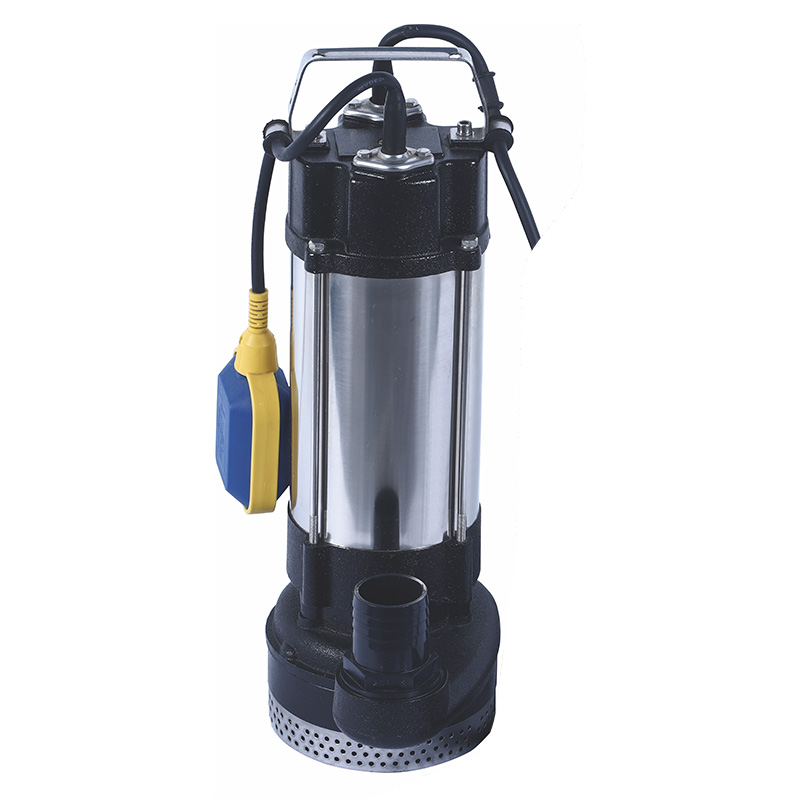
When managing household water distribution, selecting the right clean water pump is essential for maintaining consistent pressure and reliable flow. Operating as a technical specialist at Flyaway, our engineering team regularly assists homeowners and property developers in resolving pressure drops, shallow source drafting inefficiencies, and water-tower filling challenges. In residential settings, a dependable clean water pump serves as the heart of domestic plumbing, garden irrigation networks, and storage tank boosting systems. Choosing a proper clean water pump ensures that daily household chores, from kitchen use to bathroom showers, benefit from uninterrupted performance. Every modern household requires a robust clean water pump to maintain adequate hydraulic pressure across multi-level piping layouts. Drawing from our field experience across diverse residential installations, we find that many homeowners struggle with erratic flow rates simply because their surface hardware is mismatched to the source depth or pipe sizing. According to domestic hydraulic engineering guidelines, every installed clean water pump must handle clean water free of abrasive particles or chemically aggressive elements to preserve internal components and structural longevity. By understanding the core hydraulic parameters of a quality clean water pump, property owners can achieve stable performance without encountering premature mechanical wear or system failures during peak operational hours. Furthermore, routine inspections of your clean water pump guarantee optimal daily operation across all residential plumbing networks, confirming why a high-grade clean water pump remains essential for domestic success, reliable boosting, and every daily clean water pump application.
To ensure long-term operational stability, evaluating the structural build and specifications of your household clean water pump is critical. Domestic surface models featuring a clean water pump, such as the GS100 series or shallow-source jet assemblies, typically feature robust gray cast iron pump bodies and supports that provide rigid mounting bases and guard against oxidation. Within these units, each clean water pump motor housing constructed from lightweight aluminum alloy encloses components paired with precision brass impellers and PPO venturi pipes designed to maintain hydraulic efficiency across every deployed clean water pump. Each high-efficiency clean water pump manufactured under strict quality standards incorporates these durable materials to withstand continuous operational stress. Technical datasheets indicate that standard domestic models of a clean water pump range from 0.1 kW (0.13 HP) up to 0.75 kW, delivering maximum heads between 21 meters and 50 meters, and maximum flow rates from 1.5 cubic meters per hour to 3.0 cubic meters per hour. When evaluating a potential clean water pump for domestic installation, engineers at Flyaway look closely at these exact hydraulic curves to match motor output with household demand. Furthermore, each selected clean water pump operates under an IP44 protection rating and Class B insulation, incorporating external ventilation alongside a built-in thermal overload protector for continuous S1 duty cycles. This thermal safety feature in every modern clean water pump automatically interrupts power if temperature thresholds are breached, effectively safeguarding the motor coil against burnout during demanding usage, thereby extending the overall service life of every operational clean water pump in the field, ensuring every clean water pump performs reliably.
The versatility of modern surface equipment makes every residential clean water pump suitable for a wide range of everyday residential tasks. A primary use case for a clean water pump involves boosting water pressure from low-pressure municipal lines, storage tanks, or cisterns into multi-story residential plumbing layouts. Deploying a reliable clean water pump in these municipal booster applications instantly resolves low-pressure showering issues and sluggish kitchen faucet flows. Additionally, these units excel in shallow-source lifting, allowing a reliable clean water pump to draw water efficiently from open wells, boreholes, and shallow water tables down to a maximum suction lift of 9 meters. For outdoor maintenance, homeowners utilize a specialized clean water pump for small-to-medium overhead garden irrigation, localized drip systems, and nursery water distribution, where a dedicated clean water pump provides the necessary head pressure for optimal spray coverage. Automatic variants of a clean water pump equipped with integrated pressure-switch controls are particularly beneficial for demand-based operations, such as water-tower feeding, where the clean water pump needs to start and stop automatically in response to household valve changes. Field evaluations emphasize that operating a high-efficiency clean water pump with a successful 9-meter suction lift requires meticulous pipe sealing, appropriate pipe diameters, and a secure source level to prevent air locks during the priming phase of your clean water pump, ensuring steady output from every clean water pump unit.
Proper installation and routine upkeep are vital to maximizing the lifespan and efficiency of your residential fluid management system powered by a clean water pump. During setup, the clean water pump should be installed in a sheltered environment protected from adverse weather conditions, ensuring ambient temperatures do not exceed 40°C while handling liquid temperatures up to 60°C. Positioning your clean water pump correctly on a rigid, level foundation significantly minimizes vibrational noise and mechanical stress. It is imperative that suction lines connected to the clean water pump remain completely airtight; even minor micro-leaks in intake piping can introduce air into the system, causing priming failures, cavitation damage, and reduced efficiency in your clean water pump. Maintenance checks on your clean water pump should be performed every few months to inspect the suction inlet and filtration attachments, removing accumulated debris that could restrict flow or cause internal clogs within the clean water pump housing. Flyaway's technical support team advises operators of any clean water pump to verify that electrical supply voltages align with standard specifications—typically 220V/50Hz, with custom configurations available upon request—to prevent voltage drops that compromise motor performance. Adhering to these professional installation standards for your clean water pump ensures safe, uninterrupted water delivery, maximizing the return on investment for your residential clean water pump system and ensuring your clean water pump operates at peak hydraulic efficiency for years to come with every clean water pump operating flawlessly.
Beyond basic installation, optimizing the daily performance of a residential clean water pump requires careful attention to hydraulic balancing and pressure tank calibration. When integrating a clean water pump into complex multi-branch household plumbing networks, technicians at Flyaway recommend installing a dedicated check valve on the suction side to maintain prime water status and prevent backflow when the motor is inactive. Furthermore, selecting the correct pipe diameter for both intake and discharge lines ensures that the friction head losses do not overpower the operational capacity of the clean water pump. Routine diagnostic checks on the mechanical seal and bearings of the clean water pump help detect early signs of wear before minor friction issues escalate into major component failures. By following these advanced operational protocols, homeowners can maximize the service life and hydraulic efficiency of their Flyaway clean water pump, ensuring dependable water pressure across all domestic applications throughout the year.

2026/10/17
Discover what a water pump is used for across homes, farms, and sites. Learn how Flyaway provides durable manufacturing and supply solutions.

2026/10/17
Discover why knowing the correct pump size protects budgets and ensures system efficiency. Learn sizing steps and Flyaway pump solutions.

2026/10/17
Discover how to choose the right farm water pump. Learn about head, flow, solar options, and reliable pump solutions by Flyaway.

2026/10/17
Discover how a small self priming water pump can simplify home water transfer, plus key installation and sizing checks.

2026/10/17
Learn how to choose a booster pump by evaluating flow, head, curves, and controls. Discover reliable pump solutions built by Flyaway.

2026/10/17
Learn the core benefits of a self priming well pump for shallow wells. Discover selection tips, operation limits, and how Flyaway delivers quality pumps.
