 EN
What Is a Water Pump Used For?
2026/10/17
Discover what a water pump is used for across homes, farms, and sites. Learn how Flyaway provides durable manufacturing and supply solutions.

2026/09/11
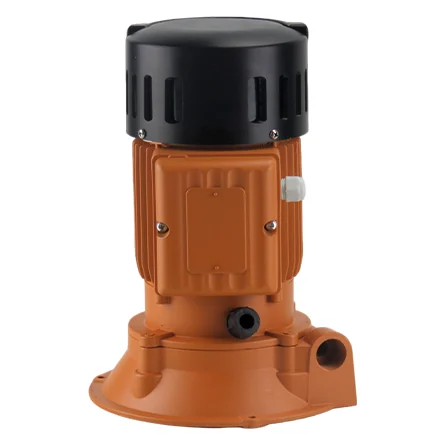
When designing efficient HVAC and plumbing networks for modern commercial and residential structures, choosing the right mechanical components is essential for long-term operational success, structural protection, and strict energy conservation standards. This comprehensive guide explores everything you need to know about specifying, professionally installing, and maintaining system hardware for optimal performance and maximum reliability across all multi-story building applications.
Modern building management requires efficient fluid dynamics to maintain thermal comfort across multi-story structures. A circulation pump plays a pivotal role in ensuring that hot water and heating systems operate smoothly without unnecessary energy waste. According to industry engineering standards, selecting the proper circulation pump prevents pressure drops and ensures uniform temperature distribution throughout large facilities. At Flyaway, we recognize that mechanical contractors and facility managers face unique challenges when designing reliable hydraulic loops for commercial towers and residential complexes. Implementing a high-performance circulation pump significantly reduces system strain, optimizes overall energy consumption, and extends the operational lifespan of commercial and residential plumbing installations. Every single unit we manufacture is rigorously tested in our advanced facilities to guarantee that it meets the demanding standards of modern architectural design, ensuring seamless integration into complex piping networks and long-term reliability under continuous operating conditions. Furthermore, proper sizing and expert engineering support ensure that your system operates at peak efficiency year-round.
Proper equipment selection begins with a rigorous evaluation of technical metrics, including flow rate and head pressure requirements. Engineers must calculate system resistance and pipe friction losses accurately before integrating any circulation pump unit into a building infrastructure. Industry research highlights that mismatched flow rates often lead to cavitation, excessive noise, and premature mechanical wear within the piping loops. When reviewing equipment specifications, professionals should prioritize models featuring variable speed control and durable cast-iron or stainless-steel housings. At Flyaway, our product engineering approach focuses on delivering balanced hydraulic performance, ensuring that every pump maintains stable operation under varying thermal loads and continuous daily cycles. Furthermore, selecting the correct model prevents unnecessary hydraulic shocks, reduces turbulence, and maintains long-term operational efficiency across all system zones, ultimately protecting the entire plumbing network from unexpected failures, pressure imbalances, and costly downtime.
Even the most advanced circulation pump can underperform if installed incorrectly within the loop network. Best practices dictate that the circulation pump should be positioned with the motor shaft in a horizontal plane to prevent bearing wear and air pocket accumulation. Furthermore, installing isolation valves on both sides of the circulation pump unit facilitates routine maintenance without requiring a complete system shutdown or draining the entire piping network. Expert hydraulic technicians also recommend incorporating proper pipe support brackets to eliminate mechanical stress on the pump flanges. At Flyaway, we provide comprehensive installation guidance to help technicians achieve seamless integration, minimizing initial friction losses and ensuring immediate, quiet, and reliable fluid circulation across the entire building layout. Proper alignment during the installation of each unit guarantees optimal thermal performance and quiet operation from day one of service.
Proactive maintenance is essential for avoiding unexpected equipment downtime in large commercial and residential buildings. Routine inspections should focus on monitoring motor temperature, checking for unusual vibration patterns, and verifying electrical connection integrity. Modern building systems increasingly utilize smart monitoring tools to track performance metrics and alert operators to potential flow restrictions before they escalate into major failures. Industry studies confirm that scheduled preventive servicing of your unit can reduce long-term repair costs by up to thirty percent while extending service life. At Flyaway, our commitment to reliability involves designing equipment that simplifies routine checks, allowing maintenance personnel to keep every installed pump running at peak efficiency throughout its operational life cycle. Regular diagnostic reviews safeguard your capital investment against premature wear and tear.
As building codes become increasingly stringent regarding energy efficiency, selecting eco-friendly mechanical equipment is more important than ever for developers and property owners. Advanced circulation pump technology now incorporates permanent magnet motors and intelligent frequency conversion to minimize power usage during off-peak hours. Industry experts emphasize that integrating smart HVAC components powered by an efficient circulation pump is a cornerstone of sustainable green building design and carbon reduction initiatives. At Flyaway, we continuously refine our manufacturing processes to align with global environmental standards, ensuring that our clients receive advanced, energy-saving circulation pump solutions that reduce carbon footprints while delivering uncompromised thermal comfort for modern buildings. Investing in a high-efficiency circulation pump is a vital step toward achieving long-term sustainability goals and energy conservation targets in modern architectural construction projects worldwide. Furthermore, ongoing innovation ensures that future generations of each unit will deliver even greater energy savings.

2026/10/17
Discover what a water pump is used for across homes, farms, and sites. Learn how Flyaway provides durable manufacturing and supply solutions.

2026/10/17
Discover why knowing the correct pump size protects budgets and ensures system efficiency. Learn sizing steps and Flyaway pump solutions.

2026/10/17
Discover how to choose the right farm water pump. Learn about head, flow, solar options, and reliable pump solutions by Flyaway.

2026/10/17
Discover how a small self priming water pump can simplify home water transfer, plus key installation and sizing checks.

2026/10/17
Learn how to choose a booster pump by evaluating flow, head, curves, and controls. Discover reliable pump solutions built by Flyaway.

2026/10/17
Learn the core benefits of a self priming well pump for shallow wells. Discover selection tips, operation limits, and how Flyaway delivers quality pumps.
