
 EN
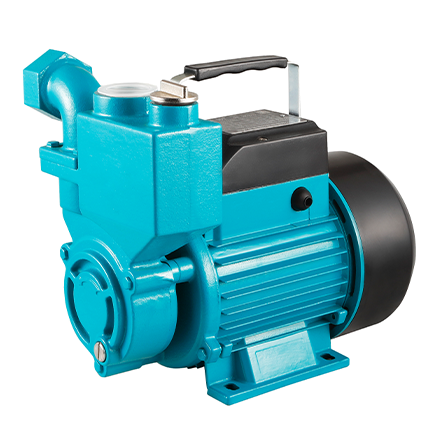
Mastering Circulation Pump Applications in Piping Systems
Slapping a circulation pump into a closed pipe network never guarantees proper fluid movement. A common misconception among rookies is that any pump will magically create useful flow simply by being bolted into place. In reality, a pump's primary mission is matching a required flow rate against the total hydraulic resistance of a complete circuit—including pipes, fittings, valves, coils, heat exchangers, filters, and control devices. From an experienced pump-selection engineer's perspective, this fundamental distinction forms the bedrock of every successful circulation pump application. Selecting the right circulator depends heavily on the fluid properties, duty point, operating temperature, material compatibility, control sequence, and maintenance access rather than picking the motor with the highest catalog flow.
Most piping configurations operate as closed loops. Within these loops, a circulation pump primarily overcomes dynamic friction losses as the fluid circulates; it is typically not sized to lift water up the entire building height on every single pass. While static fill pressure and equipment rating limits still require careful engineering review, separating pressure management from friction head calculations prevents the common trap of installing an oversized circulation pump. Over-pumping leads directly to annoying pipeline noise, wasted electrical energy, and chronic control instability.
Identifying Where Circulation Pumps Fit Best
Circulation pumps prove most valuable when fluid must maintain continuous movement along a defined path for heat transfer, temperature regulation, sanitation, or chemical stability. Typical applications encompass hydronic heating, chilled-water distribution, domestic hot-water recirculation, boiler loops, industrial thermal equipment, and swimming pool filtration circuits. While changing applications alters fluid conditions and plumbing specifics, the core engineering question remains identical: what exact flow rate must pass through the most demanding circuit at the required pressure drop?
Think of the surrounding piping network as the operational other half of the pump. A longer pipeline run, a restricted pipe diameter, extra elbows, a partially throttled valve, or a fouled strainer all increase system resistance. Sizing a circulation pump based solely on nominal pipe size often misses the actual operating point. Conversely, choosing a massive circulation pump "just to be safe" pushes excessive velocity through branches, creates roaring flow noise, and makes hydraulic balancing nearly impossible.
Managing Hydronic Heating and Cooling Loops
In modern heating and cooling networks, the circulator moves water or water-glycol solutions between thermal generators, distribution piping, and terminal units. Boilers, radiators, fan coils, air-handling coils, radiant floor manifolds, and heat exchangers each introduce distinct pressure drops. A circulation pump must deliver enough flow to satisfy the thermal load while staying safely within the pressure and temperature limits of every connected component.
-
Primary-Secondary Pumping: Separates source loops from distribution loops to prevent unwanted hydraulic interference.
-
Variable-Flow Control: Utilizes variable-speed drives responding to differential pressure sensors across critical branches.
-
Thermal Balancing: Integrates balancing valves and control actuators to ensure even heat distribution.
Primary-secondary arrangements provide an excellent practical example. A primary circulation pump serves the heat source while secondary pumps handle individual distribution zones. Hydraulic decoupling prevents one circuit from imposing unwanted flow on another, though it never eliminates the necessity of calculating each circuit's exact resistance. For variable-flow systems, variable-speed circulation pumps following differential-pressure strategies must have their setpoints verified during field commissioning rather than copied blindly from design drawings.
Optimizing Domestic Hot-Water Recirculation
A domestic hot-water recirculation system routes cooled water from distant plumbing fixtures back toward the water heater so users do not experience frustrating delays. This application balances convenience and water conservation, operating under constraints distinct from closed HVAC loops. The circulation pump, piping materials, mechanical seals, temperature switches, check valves, and potable-water certifications must comply with local plumbing codes and material standards.
| Application Segment | Primary Operational Goal | Key Engineering Challenge |
| HVAC Hydronic Loops | Precise heating and cooling delivery | Balancing friction head and variable flow |
| Domestic Hot Water | Instant fixture delivery and sanitation | Preventing thermal loss and pipe corrosion |
| Boiler Equipment | Protecting heat exchanger surfaces | Maintaining minimum flow and thermal shock limits |
| Industrial Utilities | Process stability and heat rejection | Handling high temperatures and variable fluids |
A critical design consideration involves determining when the circulation pump should run. Continuous operation maintains uniform pipe temperatures, whereas timed, temperature-based, or push-button demand controls minimize standby heat loss and electrical consumption. A circulation pump should never be used as a band-aid to fix poor return-line routing, uninsulated piping, or incorrectly installed check valves.
Addressing Industrial Boilers and Process Loops
Boiler loops frequently rely on dedicated circulators to maintain steady fluid velocity across the heat exchanger, preventing localized boiling and protecting thermal relationships. Depending on plant design, the pump might operate within a dedicated boiler circuit, a tempering mixing arrangement, or a broader facility-wide hydronic network. Engineers must extract exact flow and pressure drop data directly from equipment specifications rather than assuming all boiler piping behaves identically.
In light industrial utility service, a circulation pump drives water through plate heat exchangers, jacketed reactor vessels, clean-in-place circuits, or temperature-conditioning skids. These specialized circuits incorporate fine filters, flexible connectors, flow meters, and regulating valves that alter system resistance. If fluid characteristics deviate from pure water due to glycol concentrations, elevated temperatures, suspended solids, or chemical treatments, the circulation pump selection requires careful adjustment. Standard clean-water pump curves rarely represent actual industrial duty.
Achieving long-term operational success requires meticulous planning, precise hydraulic calculations, and robust hardware designed for demanding fluid environments. By prioritizing system-wide resistance mapping, correct installation details, and rigorous commissioning, facility operators can eliminate chronic noise and efficiency losses. For industrial operations seeking reliable pumping equipment and comprehensive manufacturing support, Flyaway delivers advanced circulation pump solutions engineered to meet rigorous global standards.






