
 EN
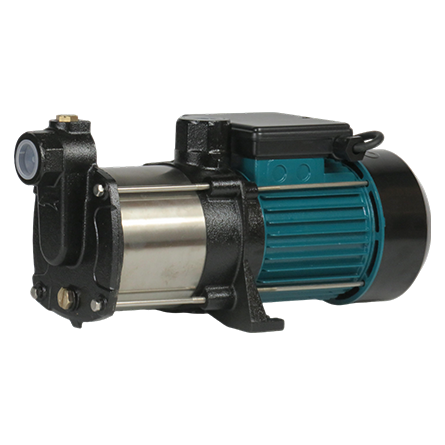
Selecting a Centrifugal Pump: Why the System Dictates the Solution
Experienced industrial buyers understand that buying a pump is never about browsing a catalog and picking a visually appealing model. The real challenge lies in finding a system-matched machine that moves a specific liquid at a precise flow and pressure, fits the available electrical grid, and runs year after year without constant emergency maintenance. For distributors, engineering contractors, and plant managers, a reliable pump selection process must shift from simply buying hardware to analyzing the unique hydraulic dynamics of the facility.
A well-selected centrifugal pump serves as the backbone for various applications, including agricultural irrigation, municipal water circulation, chemical processing, and general utility services. However, the path to a reliable installation requires looking beyond the nameplate horsepower and diving deep into how the centrifugal pump interacts with the entire piping network.
The Physics of Flow and System Resistance
To make an informed decision, it helps to revisit how a centrifugal pump interacts with fluid. The process relies on a rotating impeller to transfer mechanical energy into velocity, which the pump casing then converts into pressure. Liquid enters through the suction eye, accelerates rapidly through the impeller vanes, and exits through the discharge nozzle.
While the concept is straightforward, actual performance is heavily dictated by external resistance. The centrifugal pump does not decide how much water to push; the piping system does. Every foot of pipe, every elbow, valve, strainer, and elevation change creates friction loss. This resistance, combined with the static elevation lift, forms the system curve. The actual operating point of the centrifugal pump is the exact intersection of the pump's performance curve and this system curve. If the pipe diameter is too narrow or the run is too long, the friction increases, pushing the operating point back, reducing flow, and potentially causing premature wear to the centrifugal pump.
Focusing on the Duty Point Over Motor Size
A common pitfall in industrial procurement is executing a pump selection based primarily on motor power or flange sizes. Starting a search by looking for a fifteen-horsepower pump with three-inch connections often leads to inefficient operations. Instead, every successful project begins with two core metrics: the required flow rate and the total dynamic head.
Total Dynamic Head (TDH) = Static Lift + Friction Losses + Discharge Pressure Requirement
Total Dynamic Head (TDH) = Static Lift + Friction Losses + Discharge Pressure Requirement
When these two parameters are clearly defined, they establish the duty point. Aligning this duty point with the Best Efficiency Point is crucial. The Best Efficiency Point is the specific zone on the performance curve where hydraulic efficiency is maximized. Operating a centrifugal pump too far to the left of this point can cause internal recirculation, shaft deflection, and temperature spikes. Operating a centrifugal pump too far to the right leads to high vibration, motor overload, and cavitation risks. By matching the duty point closely to the Best Efficiency Point, operators secure lower energy bills and significantly longer seal life for the centrifugal pump.
Technical Checklist for Smarter Procurement
Before requesting a quotation from an industrial pump supplier, having a comprehensive understanding of the site conditions prevents costly specification errors. The following parameters should be gathered and verified by the engineering team to ensure a successful fluid transfer solution:
Parameter Category
Crucial Details to Document
Flow Dynamics
Minimum continuous flow, normal operating flow, and peak demand requirements.
Piping Geometry
Total static lift, horizontal pipe run length, pipe material, and quantity of valves and elbows.
Liquid Properties
Fluid temperature, specific gravity, viscosity, pH level, and the presence of any abrasive solids.
Suction Conditions
Available Net Positive Suction Head, suction lift height, and minimum liquid levels.
Electrical Interface
Available voltage, supply frequency, phase requirements, and desired motor enclosure rating.
| Parameter Category | Crucial Details to Document |
|---|---|
| Flow Dynamics | Minimum continuous flow, normal operating flow, and peak demand requirements. |
| Piping Geometry | Total static lift, horizontal pipe run length, pipe material, and quantity of valves and elbows. |
| Liquid Properties | Fluid temperature, specific gravity, viscosity, pH level, and the presence of any abrasive solids. |
| Suction Conditions | Available Net Positive Suction Head, suction lift height, and minimum liquid levels. |
| Electrical Interface | Available voltage, supply frequency, phase requirements, and desired motor enclosure rating. |
Addressing these variables early allows a professional industrial pump supplier to recommend appropriate modifications, such as specific impeller trims, alternative mechanical seal faces, or specialized motor configurations for the centrifugal pump.
Aligning Metallurgy and Seals with Fluid Characteristics
Standard cast-iron pumps perform exceptionally well for clean, cool municipal water transfer. However, industrial fluids are rarely pure water. When handling brackish water, sand-laden agricultural runoff, process chemicals, or high-temperature fluids, standard construction materials of a centrifugal pump will quickly fail.
For abrasive applications, hardened materials like high-chrome iron or stainless steel impellers are necessary to resist erosive wear inside the centrifugal pump. Corrosive liquids demand specialized alloys such as 316 stainless steel, duplex steel, or even non-metallic linings to maintain a stable fluid transfer solution.
Equally important is the mechanical seal arrangement. The mechanical seal prevents the pumped fluid from leaking along the rotating shaft into the atmosphere. While a standard carbon-ceramic seal with nitrile elastomers is sufficient for basic water utility, hot water, hydrocarbons, or chemically active fluids require premium seal faces like silicon carbide or tungsten carbide, paired with high-temperature elastomers such as Viton or PTFE. Investing in the correct metallurgy and seal configuration from day one is the most effective way to eliminate unplanned downtime for any centrifugal pump.
Evaluating Suction Geometry and Cavitation Risks
The suction side of a centrifugal pump is the most common source of operational trouble. If a centrifugal pump cannot draw liquid smoothly, it will suffer from cavitation—a destructive phenomenon where low-pressure vapor bubbles form in the liquid and violently collapse against the impeller vanes, pitting the metal and destroying the bearings.
To ensure trouble-free operation of the centrifugal pump, the suction pipe should always be at least one size larger than the suction flange, running straight for at least five to ten pipe diameters before the inlet. Air pockets must be avoided by using eccentric reducers with the flat side on top. Creating a flooded suction arrangement, where the liquid level is consistently above the centrifugal pump centerline, remains the gold standard for reliable industrial system designs.
Implementing Variable Speed Control Effectively
With the rise of smart manufacturing, variable speed drives have become highly popular for energy conservation. When flow demands fluctuate throughout the day, adjusting the motor speed is far more efficient than throttling a discharge valve. The relationships governing speed adjustments are known as the centrifugal pump affinity laws:
-
Flow changes in direct proportion to the speed change.
-
Head changes with the square of the speed change.
-
Shaft Power changes with the cube of the speed change.
These mathematical relationships reveal that a minor reduction in speed can yield massive energy savings. However, caution is required. Reducing the speed also reduces the head produced by the centrifugal pump. If the system has a high static elevation lift, dropping the speed too low may prevent the centrifugal pump from overcoming the gravity head entirely, leading to a zero-flow condition that can overheat the centrifugal pump in minutes. Working with an experienced partner helps verify that the variable speed range remains within the safe operating limits of the centrifugal pump curve.
Ensuring Long-Term Reliability and Serviceability
A complete pumping solution extends far beyond the bare pump and motor. It encompasses the surrounding piping layout, valves, and monitoring tools. Installing isolation valves on both sides of the centrifugal pump allows for easy maintenance without draining the entire system. A robust, fast-closing check valve on the discharge line protects the centrifugal pump from devastating water hammer and backflow when the motor stops.
Additionally, installing suction strainers protects the impeller of the centrifugal pump from large debris, while pressure gauges on the suction and discharge ports provide maintenance crews with immediate diagnostic data to troubleshoot performance drops.
For international buyers and wholesale distributors, partnering with a manufacturer that possesses deep engineering capabilities is vital. As an export-oriented manufacturer based in Zhejiang, Flyaway excels in providing comprehensive technical pre-sales support, translating complex site conditions into highly reliable configurations for every centrifugal pump. Leveraging advanced manufacturing facilities and a highly responsive supply chain, Flyaway offers tailored OEM/ODM options, ensuring consistent casting quality, precise impeller balancing, and reliable parts availability. Partnering with a dedicated industrial pump supplier like Flyaway streamlines the procurement cycle, allowing global distributors to maintain standard configurations and access essential spare parts rapidly when field support is required. This seamless integration of manufacturing expertise and global logistics is what makes Flyaway a preferred partner for securing a resilient and efficient fluid transfer solution worldwide.






