 EN
What Is a Water Pump Used For?
2026/10/17
Discover what a water pump is used for across homes, farms, and sites. Learn how Flyaway provides durable manufacturing and supply solutions.

2026/09/15
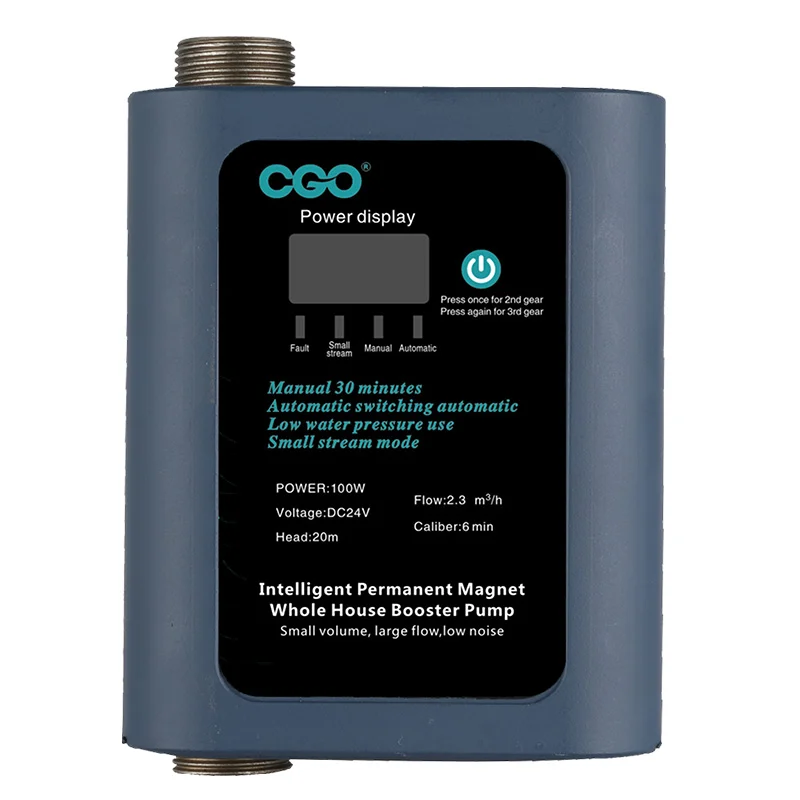
Low water pressure is a common and persistent frustration in modern multi-level residential buildings, commercial apartments, and rural homes alike. Based on practical field engineering experiences and historical technical installations carried out by our team at Flyaway, homeowners frequently experience frustrating pressure drops when multiple plumbing fixtures—such as kitchen faucets, bathroom showers, and laundry washing units—operate simultaneously during peak hours. When municipal supply water lines fluctuate significantly or long piping distribution distances create high frictional resistance and pressure losses, daily household tasks can become inconvenient, sluggish, and highly inefficient. To overcome these common hydraulic limitations and ensure steady fluid delivery across all floors, installing a high-quality booster pump serves as an exceptionally reliable, robust, and efficient fluid-transport solution. Furthermore, incorporating a dependable pumping system within your daily domestic pipeline setup guarantees that every outlet receives consistent flow. Understanding these fundamental operational principles helps property owners, residential engineers, and facility managers select proper technical specifications to maintain steady comfort, improve flow velocity, and prevent premature mechanical wear across their complex household pipeline networks. Properly managing every installed booster pump safeguards continuous utility delivery.
When selecting heavy-duty equipment to enhance domestic water distribution, evaluating the structural build, material composition, and technical specifications of your system is absolutely critical. Domestic surface models and jet assemblies typically feature robust gray cast iron pump bodies and structural supports that provide rigid mounting bases and dependable resistance against oxidation and corrosion. Within these robust units, advanced motor housings constructed from lightweight aluminum alloy enclose electrical components paired with precision-engineered brass impellers and high-performance PPO venturi pipes designed specifically to maintain high hydraulic efficiency under continuous operation. For instance, compact clean water systems range from 0.1 kW up to 0.75 kW, delivering maximum static heads between 21 meters and 50 meters, and maximum flow rates ranging from 1.5 cubic meters per hour to 3.0 cubic meters per hour. Integrating a proper plumbing booster pump ensures that every household shower or tap receives adequate hydraulic pressure without struggling against pipe friction resistance, pipe bends, or vertical elevation hurdles. Operating dedicated pumping equipment correctly eliminates pressure fluctuations and optimizes overall hydraulic distribution across residential buildings.
One of the most significant technological advancements in modern fluid dynamics and municipal engineering is the integration of variable frequency drives and automatic pressure-switch controls within modern boosting setups. Traditional water pumps traditionally operate at a fixed rotational RPM, which frequently results in aggressive pressure surges, unstable flow rates, and high electrical energy spikes during startup phases. In contrast, a well-chosen booster pump applications strategy often involves deploying intelligent variable-speed or automatic pressure-switch systems that dynamically adjust motor rotation speed based on live, real-time consumption data from the pipeline network. When implementing advanced booster pump applications, engineers can dramatically reduce energy consumption while maintaining superior pressure regulation across the entire facility. When you turn on a bathroom fixture or kitchen tap, the integrated smart controller detects exact flow demand and modulates motor operation instantly without any mechanical delay, eliminating annoying temperature spikes and protecting internal plumbing lines from destructive water hammer damage. Modern intelligent systems provide unmatched operational stability.
Beyond enhancing immediate showering comfort and personal hygiene convenience, integrating a high-efficiency booster system offers significant long-term structural protection for your home's entire plumbing, drainage, and heating infrastructure. Sudden pressure drops and erratic hydraulic surges place immense mechanical stress on internal pipe joints, threaded elbows, shut-off valves, and delicate water heater components over extended operating cycles. At Flyaway, our extensive technical evaluations show that utilizing a reliable constant pressure setup prevents harmful pressure spikes and effectively reduces mechanical fatigue across all connected bathroom fixtures and distribution pipes. Consequently, your plumbing network experiences considerably less physical wear and tear, safeguarding your household against premature equipment failure, catastrophic pipeline leaks, and costly emergency repairs while optimizing long-term electricity consumption and lowering operational utility bills. Protecting your piping infrastructure with a stable booster pump ensures maximum structural longevity and operational reliability.
To guarantee optimal daily operation and maximum service life across all residential plumbing networks, routine inspections and proper engineering sizing remain the absolute cornerstone of a durable, trouble-free water supply infrastructure. Before purchasing any boosting unit or installation hardware, certified technicians should conduct a comprehensive audit of all plumbing fixtures, measuring static pressure accurately and mapping out peak household usage hours. Furthermore, ensuring that suction lines are properly sealed, primed, and protected from adverse environmental weather conditions will prevent destructive cavitation and preserve internal hydraulic components for years to come. By following these professional engineering guidelines, property owners can achieve stable hydraulic performance, eliminate frustrating flow interruptions, and ensure their domestic water management remains cost-effective, structurally sound, and fully capable of handling peak residential demands. Maintaining your equipment through routine service checks further guarantees sustained operational excellence and peak system efficiency.

2026/10/17
Discover what a water pump is used for across homes, farms, and sites. Learn how Flyaway provides durable manufacturing and supply solutions.

2026/10/17
Discover why knowing the correct pump size protects budgets and ensures system efficiency. Learn sizing steps and Flyaway pump solutions.

2026/10/17
Discover how to choose the right farm water pump. Learn about head, flow, solar options, and reliable pump solutions by Flyaway.

2026/10/17
Discover how a small self priming water pump can simplify home water transfer, plus key installation and sizing checks.

2026/10/17
Learn how to choose a booster pump by evaluating flow, head, curves, and controls. Discover reliable pump solutions built by Flyaway.

2026/10/17
Learn the core benefits of a self priming well pump for shallow wells. Discover selection tips, operation limits, and how Flyaway delivers quality pumps.
