 EN
What Is a Water Pump Used For?
2026/10/17
Discover what a water pump is used for across homes, farms, and sites. Learn how Flyaway provides durable manufacturing and supply solutions.

2026/09/11
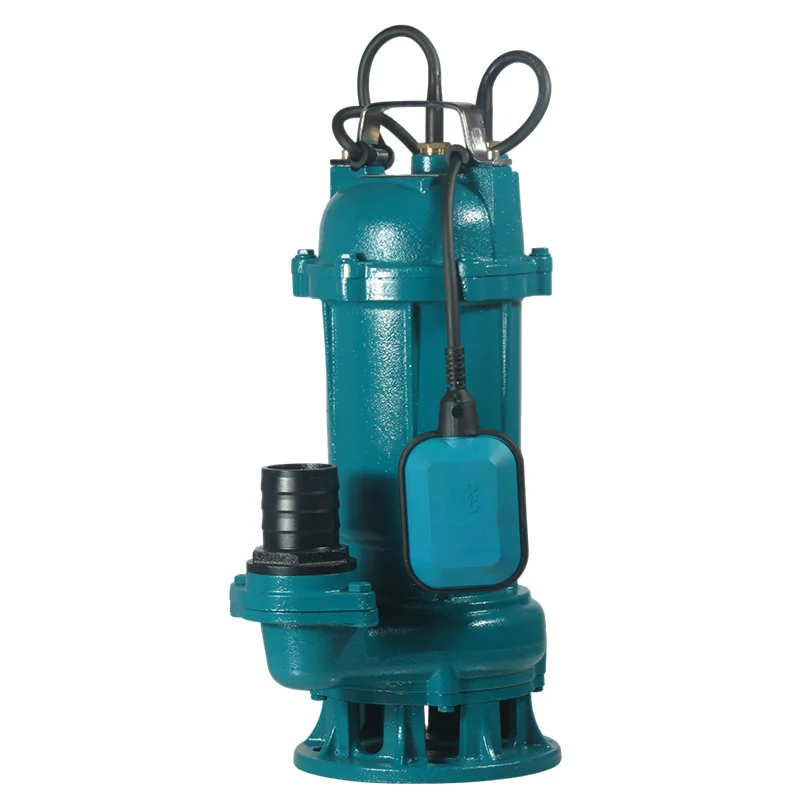
Managing basement moisture effectively is essential for protecting structural integrity, preventing mold growth, and safeguarding personal belongings in residential properties. At Flyaway, our engineering and technical support teams frequently consult with homeowners facing unexpected basement flooding during heavy rainstorms or seasonal thaws. Through years of practical field experience in residential water drainage, we have observed that the single most common cause of basement system failure is not equipment malfunction, but rather the incorrect specification of equipment capacity. Selecting appropriate sump pump sizes is the foundational step in designing a reliable residential dewatering system. When you choose the right unit for your specific pit depth, basin volume, and expected inflow rate, your system operates efficiently without unnecessary mechanical strain. Conversely, an improper match can lead to frequent cycling, motor burnout, or complete overflow during peak water intrusion events. Therefore, understanding how correct sump pump sizes impact overall performance provides long-term peace of mind and protects your property investment from costly water damage.
To determine the ideal sump pump sizes for a residential basement, technicians must carefully evaluate several critical hydraulic parameters and physical dimensions. The primary factors include the dimensions of the sump basin, the vertical pumping height known as total dynamic head, and the anticipated rate of water inflow during severe weather events. In our technical assessments at Flyaway, we emphasize that a basin must have adequate capacity to prevent the pump from short-cycling, a phenomenon where the motor turns on and off too rapidly, severely shortening its lifespan. Furthermore, matching the horsepower rating and discharge flow rate—measured in gallons per hour—to your home's unique subterranean water table is vital. If a unit is too small, it will run continuously during a storm and ultimately fail to keep up with incoming water. If it is too large, it will evacuate the basin too quickly and shut down prematurely, leaving residual water behind and causing premature switch wear. Proper evaluation of correct sump pump sizes ensures a balanced operation that matches actual drainage demands and prevents system failure.
Optimizing energy consumption and maintaining dependable mechanical reliability are direct benefits of utilizing proper sump pump sizes in domestic basements. Modern residential pumps consume electrical power proportional to their motor horsepower and operational workload. When homeowners install correctly sized units, the motor operates within its optimal performance curve, avoiding excessive electrical draw caused by overloading or continuous straining against excessive head pressure. Industry studies and expert guidelines from plumbing and drainage associations consistently highlight that correctly matched pumping systems experience significantly fewer mechanical breakdowns. At Flyaway, our design philosophy prioritizes sustainable efficiency, ensuring that every recommended system delivers robust water removal while minimizing energy waste. By avoiding oversized motors that consume excessive electricity for minimal gain and undersized motors that overheat under heavy loads, homeowners achieve consistent reliability and lower utility expenditures over the equipment lifecycle. Carefully calculated sump pump sizes directly translate to lower operational costs and extended hardware durability.
Basement waterproofing directly influences indoor air quality and the structural stability of a home's foundation. Implementing correct sump pump sizes ensures that subsurface water is evacuated swiftly before hydrostatic pressure can compromise foundation walls or seep through basement floor slabs. Standing water or sustained high humidity in basements creates an ideal breeding ground for mold, mildew, and airborne allergens that can negatively impact household health. Our field observations at Flyaway demonstrate that homes equipped with accurately sized drainage systems maintain significantly lower relative humidity levels during wet seasons. By maintaining dry subterranean spaces, property owners protect wooden framing, stored items, and finished basement drywall from moisture degradation. Effective water removal is not merely a matter of convenience; it is a critical component of maintaining a healthy, structurally sound living environment for your family. Proper sump pump sizes act as the first line of defense against subfloor moisture infiltration and structural decay.
Investing time in selecting the correct sump pump sizes yields substantial long-term financial savings and simplifies routine maintenance schedules. Equipment that is improperly matched to drainage requirements frequently requires premature replacement, emergency repair services, and costly restoration following basement floods. When you install a well-calibrated system from Flyaway, maintenance is straightforward, typically involving simple annual float switch checks, basin cleaning, and valve inspections. Furthermore, premium materials and robust engineering in properly rated pumps ensure extended operating intervals between servicing. By getting the sizing right during the initial installation phase, homeowners eliminate the hidden costs associated with recurring equipment failures and water damage remediation. Ultimately, adherence to professional sizing standards represents the most cost-effective and dependable approach to safeguarding residential basements against unpredictable weather challenges. Proper sump pump sizes ensure your investment delivers reliable performance year after year.

2026/10/17
Discover what a water pump is used for across homes, farms, and sites. Learn how Flyaway provides durable manufacturing and supply solutions.

2026/10/17
Discover why knowing the correct pump size protects budgets and ensures system efficiency. Learn sizing steps and Flyaway pump solutions.

2026/10/17
Discover how to choose the right farm water pump. Learn about head, flow, solar options, and reliable pump solutions by Flyaway.

2026/10/17
Discover how a small self priming water pump can simplify home water transfer, plus key installation and sizing checks.

2026/10/17
Learn how to choose a booster pump by evaluating flow, head, curves, and controls. Discover reliable pump solutions built by Flyaway.

2026/10/17
Learn the core benefits of a self priming well pump for shallow wells. Discover selection tips, operation limits, and how Flyaway delivers quality pumps.
