
 EN
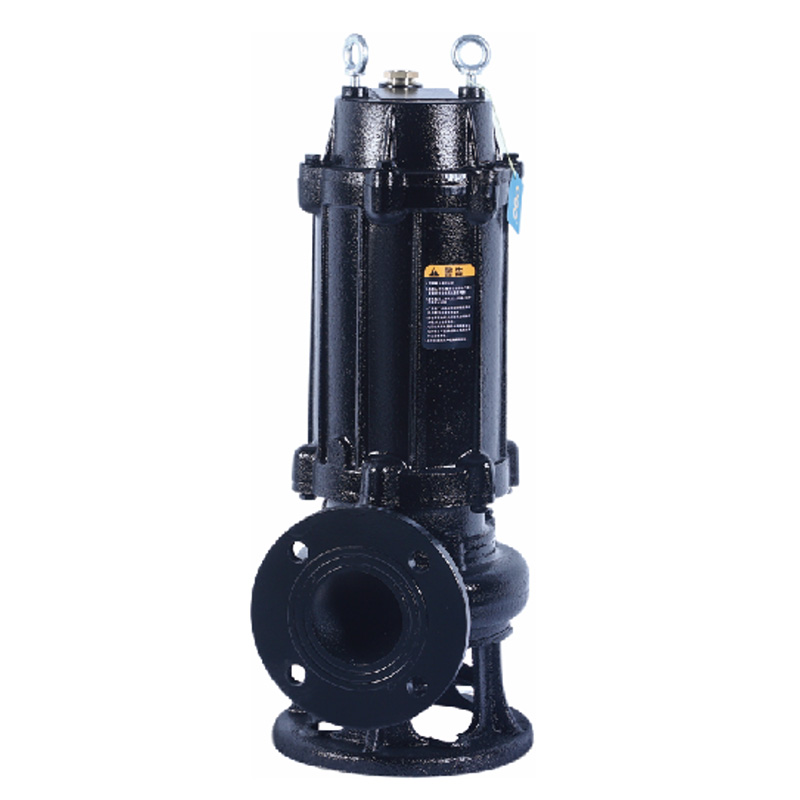
Engineering Foundations of Submerged Fluid Handling
Operating fluid machinery beneath liquid surfaces fundamentally reshapes industrial pumping operations. While conventional surface installations struggle against atmospheric limits, intake friction, and seasonal ambient fluctuations, an advanced submersible pump delivers hydraulic energy directly within the fluid reservoir. Submerging the entire pumping mechanism eliminates suction lift boundaries, shields critical mechanical parts from weather extremes, and conserves valuable above-ground operational space across agricultural, civil, and industrial drainage facilities. Successful equipment selection requires balancing dynamic head requirements, particulate loads, thermal dissipation channels, and mechanical sealing endurance.
Unlike standard surface assemblies requiring complex suction pipe runs, a dedicated industrial pump engineered for full immersion simplifies structural site preparation. Direct placement within wastewater sumps, deep boreholes, or retention basins avoids external priming auxiliary systems. Understanding the engineering nuances between surface-mounted equipment and fully submerged hydraulic units allows plant engineers and procurement managers to secure reliable service lifetimes while driving down continuous operating expenditures.
Eliminating Cavitation Risks Through Flooded Intake Dynamics
Traditional surface-mounted centrifugal pump configurations rely on ambient barometric pressure to push fluid up an intake riser into the impeller eye. Whenever total suction lift surpasses physical thresholds, localized pressure falls below vapor pressure points. Fluid vaporizes, forming transient vapor cavities that collapse violently across rotating blades. This aggressive cavitation induces severe mechanical pitting, bearing fatigue, and structural vibration, causing sudden failures during peak demand cycles.
Deploying a heavy-duty submersible pump permanently avoids suction-side cavitation. Operating beneath static water tables establishes uninterrupted flooded intake conditions. Positive liquid pressure continuously surrounds the suction volute, eradicating net positive suction head deficiencies. Energy transfers instantly from drive shafts into dynamic velocity and static head pressure. Consequently, the submersible pump achieves exceptional hydraulic efficiency during uninterrupted dewatering or wastewater transport, operating reliably without manual foot valves or vacuum-assisted priming apparatus.
Thermal Regulation and Hermetic Motor Enclosure Standards
Underwater electric motor drives require uncompromising isolation from surrounding conductive fluids. Modern industrial pump manufacturing applies IP68 ingress protection standards, sealing multi-layer copper windings within continuous cast enclosures. Advanced Class F or Class H winding insulation resists electrical breakdown during continuous high-load duty cycles. Dual mechanical seals positioned back-to-back inside an integrated oil reservoir form a dependable double-barrier defense against fluid migration. Premium seal faces manufactured from silicon carbide and tungsten carbide withstand abrasive slurry without accelerating mechanical wear.
Submerged installations offer unique cooling advantages compared with air-cooled designs. While an air-cooled centrifugal pump depends entirely on ambient convective airflow—risking severe thermal throttling inside unventilated vaults—a submerged drive unit conducts waste heat directly into surrounding fluid reservoirs. Specially engineered cooling jackets circulate discharge fluids around motor housings, ensuring stable operating temperatures even during shallow-water or dry-pit conditions. This superior thermal balance prevents premature winding breakdown, optimizes energy conversion, and preserves peak hydraulic efficiency.
Impeller Geometries Engineered for Demanding Media
Fluid rheology and solid concentrations govern impeller architecture. Using clean-water multi-stage impellers on raw municipal sewage causes immediate impeller jamming and thermal trip events. Modern industrial pump systems deploy tailored hydraulic profiles designed around specific solid passage and viscosity requirements.
-
Multi-Stage Enclosed Radial Impellers: Fabricated from pressed stainless steel or reinforced polymers, closed designs maximize velocity diffusion to generate massive discharge head in deep-well extraction and high-pressure boosting.
-
Semi-Open Ductile Iron Impellers: Engineered with adjustable wear plates, these configurations excel in mining and construction dewatering, moving abrasive silt while maintaining tight operating tolerances.
-
Recessed Non-Clog Vortex Impellers: Positioned completely out of the main volute passage, vortex impellers generate a swirling fluid vortex. Solids, fibrous rags, and stringy debris pass across discharge ports without making direct contact with rotating blades.
-
Heavy-Duty Cutting and Grinding Systems: Hardened high-chrome cutting rings shred municipal waste into pumpable slurries, enabling pressurized transfer through small-diameter pipeline networks without blockage.
Selecting the exact hydraulic configuration safeguards mechanical components, curbs recurring maintenance interventions, and sustains overall hydraulic efficiency across demanding municipal and industrial operations.
Mechanical Protection and Electrical Safeguards in Wet Basins
Submerged machinery operates out of sight, meaning unseen abnormalities can cause irreversible stator or bearing damage if safety systems fail. Industrial installations require comprehensive automated monitoring integrated within power control panels. Dual guide rail brackets and auto-coupling pedestals enable operators to hoist a submersible pump for routine inspections without draining retention wet wells or entering hazardous confined spaces.
Modern electrical protection packages feature three core protective layers:
-
Hermetic Cable Glands: Vulcanized entry points and polyurethane potting barriers prevent moisture wicking through damaged outer rubber sheaths into electrical terminal chambers.
-
Embedded Thermal Protectors: Microthermostats installed within motor windings immediately trigger control cutoffs if internal temperatures surpass safety thresholds.
-
Conductive Leakage Probes: Continuous monitoring sensors in the intermediary oil chamber detect initial fluid penetration across the primary mechanical seal, signaling maintenance alerts well before water contacts motor windings.
Combined with dedicated electronic overload relays, these proactive safeguards insulate every submersible pump against sudden phase loss, locked-rotor conditions, and destructive dry-running incidents.
Precision Manufacturing and Strategic OEM Partnerships
Sustained operational reliability in hostile underwater environments demands precise metallurgical formulation, exact structural tolerances, and rigorous dynamic performance verification. Specialized manufacturers like Flyaway produce fluid movement equipment that satisfies exacting global industrial standards. Utilizing fully automated stator winding lines, precision robotic CNC machining centers, and closed-loop computerized hydraulic test stations, Flyaway supplies premium fluid handling systems engineered for exceptional longevity and peak hydraulic efficiency.
For multinational distributors, mechanical contractors, and industrial brands seeking dependable OEM and ODM supply partnerships, Flyaway provides end-to-end technical support. From computational fluid dynamics optimization and tooling fabrication to customized private-label packaging and global logistics compliance, Flyaway delivers scalable manufacturing power tailored to diverse residential, agricultural, and heavy municipal applications.






