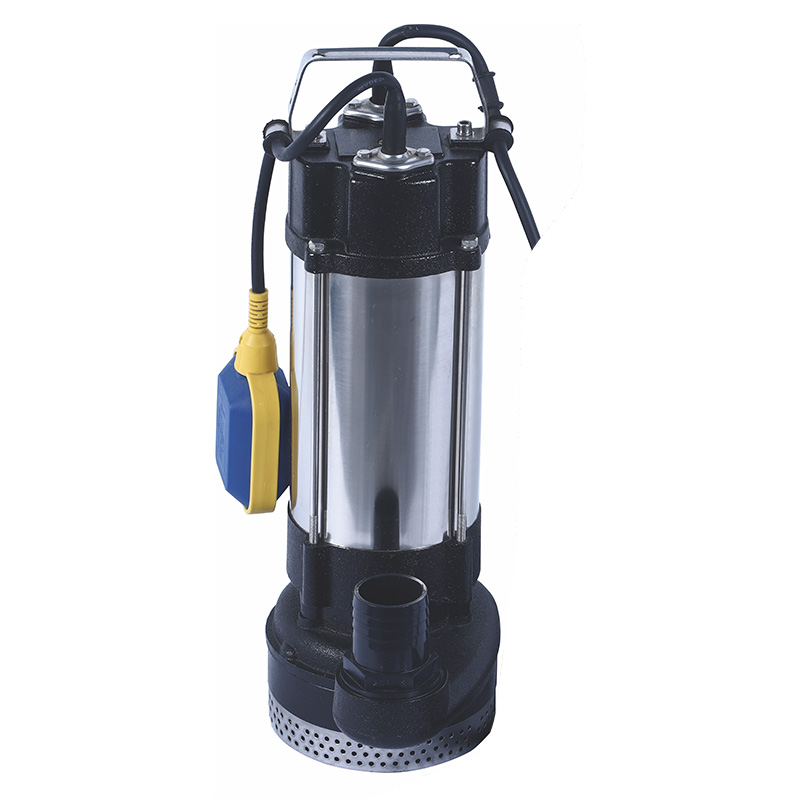
Benefits of Using a Sewage Pump: Complete Guide
A sewage pump is not the most visible part of a property, yet it can be one of the most important. Where a bathroom, utility area, commercial washroom, or wastewater collection point sits below the level of the main sewer or septic connection, gravity alone may not move wastewater where it needs to go. A properly selected sewage pump lifts that wastewater to the next stage of the system, helping the site stay usable, sanitary, and easier to manage. From a pump-selection adviser's perspective, the real value is not simply that a pump turns on. It is whether the sewage pump, basin, piping, controls, and check valve work together under the site's actual head, flow, power, and solids conditions. That distinction matters because a pump that looks adequate on a catalog page can still create nuisance alarms or short operating life when the installation conditions are ignored.
-
Formality & Context: Written in a professional, objective technical-advisory register suitable for engineering guides, property management handbooks, and B2B plumbing resources.
-
Core Principle: Emphasizes that pump selection must be based on complete system compatibility (head, flow, solids) rather than isolated motor ratings.
Making Below-Grade Spaces Practical
The clearest benefit of a sewage pump is flexibility. A basement restroom, lower-level staff facility, remote outbuilding, or site area below the sewer line may otherwise need costly drainage redesign. By lifting wastewater from a collection basin to a higher discharge point, a sewage pump can support usable plumbing where a gravity drain is not feasible. This does not mean every below-grade project needs the same arrangement. The required lift, horizontal pipe run, fittings, and discharge destination all affect total dynamic head. Before choosing a sewage pump, confirm those conditions instead of relying on horsepower alone.
-
Usage Context: Highlights spatial versatility for basements, lower-level commercial restrooms, and remote additions without expensive structural excavation.
-
Technical Note: Reminds installers that vertical lift and horizontal pipe runs dictate total dynamic head, requiring careful calculation rather than guessing by horsepower.
Supporting Cleaner Wastewater Handling
When wastewater cannot drain away naturally, standing liquid and interrupted fixtures quickly become a hygiene and operations problem. A sewage pump provides a controlled route from the basin to the sewer or septic system. In a correctly designed system, an automatic level control starts the sewage pump when the basin reaches its operating level and stops it after the level drops. The operational benefit is consistency: wastewater is moved when required rather than waiting for manual intervention. For facilities that depend on washrooms or process-adjacent sanitation, this can reduce disruption and help keep the area ready for normal use.
-
Operational Impact: Automated level controls ensure sanitation by evacuating wastewater immediately when thresholds are met, avoiding manual oversight.
-
Hygiene Value: Prevents standing liquid and operational disruptions in commercial washrooms and busy facilities.
Built for Wastewater Conditions
A sewage pump is designed for wastewater service, while a clear-water sump or transfer pump may have very different limits. The appropriate choice depends on what can enter the basin and on the manufacturer's stated solids-handling capability. Selecting a sewage pump with a suitable passage size and impeller design helps lower the chance of obstruction from expected household or facility wastewater. Still, 'solids handling' is not a license to send wipes, rags, hygiene products, or other non-flushable material into the system. Those items can catch on controls, pipework, or the pump itself. Clear use instructions remain one of the simplest ways to protect the sewage pump and avoid an avoidable service call.
-
Equipment Distinction: Clarifies the mechanical differences between dedicated sewage pumps and clear-water sump/transfer pumps.
-
Maintenance Warning: Emphasizes that "solids handling" does not permit non-flushable debris like wipes or hygiene products, which cause severe clogs.
Improving Control and Monitoring
Many sewage pump installations use float switches or other level controls, and larger systems may add alarms or duplex arrangements. These controls offer a practical benefit: they make the system respond to basin level rather than requiring someone to notice a problem first. An alarm can also provide earlier warning when the sewage pump is not keeping up or a level rises beyond its normal range. Float movement needs room to operate. One published sizing guide notes that a tethered float may need roughly 14 inches of swing clearance, with 18 inches providing added margin; verify the selected sewage pump and control manufacturer's instructions for the chosen basin. This sewage pump clearance check is easy to miss, but it can prevent a control from being blocked by a wall, piping, or another component.
-
Control Features: Details the role of float switches, high-water alarms, and duplex setups in automated monitoring.
-
Installation Detail: Notes critical swing clearance requirements (14 to 18 inches) for tethered floats to prevent physical blockage inside the basin.
Matching Capacity to Real Demand
One benefit of specifying a sewage pump carefully is that it encourages a more reliable system design. The selection process should begin with expected flow, then account for static lift, friction through pipe and fittings, and the required discharge point. Pump curves are useful because they show how output changes as head changes. In other words, the appropriate choice is not automatically the largest motor; it is the unit that delivers the needed flow at the system's actual operating point. Many buyers start with price. After a difficult replacement, they usually discover that the important question is whether the pump matches the conditions. A lower purchase price can be outweighed by repeated cycling, poor discharge performance, or premature wear if the sizing is wrong.
-
Sizing Logic: Stresses matching the pump curve and duty point rather than simply purchasing the largest motor or lowest price tag.
-
Cost Efficiency: Warns that improper sizing leads to short cycling, premature component wear, and costly replacements.
Simplifying Maintenance Planning
Each sewage pump will still require inspection and service, but a thoughtfully planned installation makes those tasks more manageable. Provide safe access to the basin and control panel, identify the electrical disconnect, and use suitable check and isolation arrangements where the system design calls for them. When replacing a sewage pump, confirm that the supply voltage matches and review the condition of the check valve and controls rather than assuming the old accessories are still suitable. Safe service is essential. Isolate electrical power before inspection, follow local codes, and use qualified installers or service technicians when the work involves wastewater exposure, electrical connections, or changes to piping. The right maintenance plan is based on the installation, duty cycle, and manufacturer guidance, not on a generic calendar alone.
-
Serviceability: Highlights proper basin access, electrical disconnects, isolation valves, and check valve checks during maintenance.
-
Safety & Compliance: Recommends isolating power and relying on qualified technicians for wastewater and electrical work in accordance with local codes.
Key Checklist for Smart Sewage Pump Selection
| Step |
Action Item |
Description |
| • |
Source Analysis |
Confirm the wastewater source and the sewage pump manufacturer's solids-handling limits. |
| • |
Head Calculation |
Calculate the lift, pipe run, fittings, and expected total dynamic head. |
| • |
Duty Point Review |
Check the required flow at the actual operating point on the sewage pump curve. |
| • |
System Specs |
Verify voltage, control type, basin dimensions, and float clearance. |
| • |
Safety Infrastructure |
Plan for a check valve, accessible service points, and an alarm where warranted. |
| • |
Professional Support |
Use only qualified installation and service support for electrical and wastewater work. |
When sourcing industrial-grade solutions or commercial fluid systems, partnering with an experienced manufacturer capable of delivering comprehensive engineering support makes all the difference. Companies like Flyaway bring extensive manufacturing capabilities, rigorous quality control, and robust global supply chain services to large-scale projects, ensuring reliable equipment supply and technical backing. Ultimately, a successful sewage pump installation relies entirely on documented site conditions and transparent engineering calculations rather than catalog headlines.

 EN