
 EN
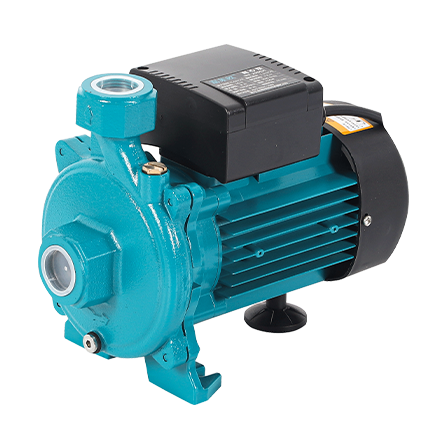
Modern Water Pump Guide: Efficiency and Selection
Pumping water sounds deceptively straightforward on paper: connect a pipe, hook up electrical power, and flip a switch. Yet across commercial agriculture, municipal utilities, and heavy industrial facilities, liquid handling represents one of the largest ongoing energy expenses. Operating power often accounts for over seventy percent of the total lifecycle cost of fluid machinery, whereas the initial purchase invoice barely scratches fifteen percent. For distributors, mechanical contractors, and procurement teams, evaluating a modern water pump requires looking far beyond the initial price tag. True operational efficiency stems from matching internal hydraulic curves to actual field friction, duty schedules, and fluid properties.
Hydraulic Performance Beyond Nameplate Ratings
Running pumping equipment far away from its Best Efficiency Point, commonly referred to as the BEP, wastes massive amounts of electricity and accelerates internal mechanical destruction. Traditional field installations frequently suffer from aggressive oversizing. Installers often add arbitrary safety factors to discharge head and flow calculations, resulting in a unit that constantly runs throttled or overheats against closed valves.
Optimized modern water pump efficiency relies on balanced volute geometry, computational fluid dynamics, and premium electric drive integration.
Operating Parameter
Conventional Pumping Units
Optimized Modern Assemblies
Hydraulic Profile
Static sand-cast volutes with turbulence zones
Precision-cast casings with optimized fluid flow paths
Electric Motor Standard
Standard IE1 or IE2 efficiency induction motors
Premium IE3 or Super-Premium IE4 industrial motors
Flow Control Method
Manual mechanical throttling valves
Variable frequency drive speed regulation
Energy Consumption
Continuous high power draw regardless of real demand
Proportional kilowatt draw aligned with system curves
| Operating Parameter | Conventional Pumping Units | Optimized Modern Assemblies |
|---|---|---|
| Hydraulic Profile | Static sand-cast volutes with turbulence zones | Precision-cast casings with optimized fluid flow paths |
| Electric Motor Standard | Standard IE1 or IE2 efficiency induction motors | Premium IE3 or Super-Premium IE4 industrial motors |
| Flow Control Method | Manual mechanical throttling valves | Variable frequency drive speed regulation |
| Energy Consumption | Continuous high power draw regardless of real demand | Proportional kilowatt draw aligned with system curves |
Distributors evaluating modern water pump efficiency should analyze full performance curves rather than nominal motor horsepower alone. A balanced industrial water pump delivers continuous target pressure with noticeably lower electrical current draw, generating substantial power savings over thousands of operating hours.
Mitigating Hydraulic Stress and Suction Cavitation
Internal cavitation remains the single most destructive hydraulic issue encountered in continuous fluid transport. When absolute liquid pressure at the impeller eye falls below the vapor pressure of the pumped medium, microscopic vapor bubbles form and violently collapse against metallic surfaces. These rapid micro-implosions produce extreme localized shock pressures that pit bronze or cast impellers, crack ceramic faces, and cause catastrophic mechanical seal leakage within months.
Sound water pump selection requires an uncompromising review of Net Positive Suction Head, specifically verifying that available suction head comfortably exceeds required suction head. Modern water pump manufacturing introduces redesigned low-drag impeller eyes and optimized suction inlets that maintain stable laminar flow. Preventing cavitation guards both the casing interior and external pipe networks from violent hydraulic shockwaves and damaging water hammer occurrences.
Metallurgy and Sealing for Challenging Media
Clean utility water presents minimal chemical wear, but commercial projects often handle abrasive silt, chemical concentrates, or brackish wastewater. Installing an improperly specified industrial water pump in an aggressive operating environment leads directly to premature casing perforation and frequent warranty disputes.
Liquid Classification
Recommended Wet-End Metallurgy
Mechanical Seal Material
Elastomer Material
Potable Water Systems
Close-grained Cast Iron or Ductile Iron
Carbon versus Silicon Carbide
Standard NBR Rubber
Agricultural Irrigation
SS304 Stainless Steel or Cast Bronze
Silicon Carbide versus Silicon Carbide
Durable EPDM
Corrosive Industrial Slurry
Acid-resistant SS316 or Duplex Steel
Tungsten Carbide with external flush
Fluoroelastomer (Viton)
| Liquid Classification | Recommended Wet-End Metallurgy | Mechanical Seal Material | Elastomer Material |
|---|---|---|---|
| Potable Water Systems | Close-grained Cast Iron or Ductile Iron | Carbon versus Silicon Carbide | Standard NBR Rubber |
| Agricultural Irrigation | SS304 Stainless Steel or Cast Bronze | Silicon Carbide versus Silicon Carbide | Durable EPDM |
| Corrosive Industrial Slurry | Acid-resistant SS316 or Duplex Steel | Tungsten Carbide with external flush | Fluoroelastomer (Viton) |
Beyond hydraulic metallurgy, electrical insulation integrity determines operational longevity. A heavy-duty industrial water pump incorporates Class F or Class H copper windings paired with IP55 or IP68 enclosures. These structural standards safeguard against continuous moisture ingress, ambient heat buildup, and hazardous airborne particulates.
Engineering Methodology for Equipment Sizing
Systematic water pump selection depends on concrete site measurements rather than superficial catalogue estimates. Wholesale distributors achieve stronger customer retention by guiding procurement clients through a disciplined four-stage engineering assessment.
Sizing Step
Required Site Information
Engineering Purpose
Static Lift Calculation
Vertical distance from suction surface to discharge point
Determine base gravitational elevation head
Friction Head Analysis
Pipe internal diameter, pipe length, valves, and fittings
Calculate cumulative dynamic flow resistance
Liquid Density Review
Specific gravity, working temperature, and viscosity
Verify motor shaft horsepower safety margins
Operational Duty Cycle
Continuous 24/7 pumping versus intermittent cycles
Determine motor thermal dissipation requirements
| Sizing Step | Required Site Information | Engineering Purpose |
|---|---|---|
| Static Lift Calculation | Vertical distance from suction surface to discharge point | Determine base gravitational elevation head |
| Friction Head Analysis | Pipe internal diameter, pipe length, valves, and fittings | Calculate cumulative dynamic flow resistance |
| Liquid Density Review | Specific gravity, working temperature, and viscosity | Verify motor shaft horsepower safety margins |
| Operational Duty Cycle | Continuous 24/7 pumping versus intermittent cycles | Determine motor thermal dissipation requirements |
Following this systematic water pump selection methodology prevents the common mistake of oversizing equipment. When supply partners combine accurate field calculations with modern water pump efficiency metrics, commercial end users enjoy uninterrupted flow, reduced maintenance cycles, and extended asset lifespans.
Supply Chain Integration and Production Standards
Sustained commercial growth in fluid distribution requires dependable manufacturing backing. Wholesale suppliers, facility managers, and engineering contractors need consistent casting metallurgy, precision automated winding, and authenticated pressure testing documentation before dispatching equipment to job sites.
Collaborating with a dedicated manufacturing specialist like Flyaway provides global distributors with substantial commercial and technical advantages. Flyaway integrates high-precision automated motor production lines, computerized hydraulic test benches, and comprehensive dynamic balancing facilities. Through extensive OEM and ODM manufacturing capabilities, Flyaway ensures that every industrial water pump complies with rigorous international quality standards, from hydrostatic shell verification to full-load electrical efficiency testing. Equipment distributors gain resilient supply chain support, uniform machining tolerances, and dependable engineering expertise that converts routine equipment sales into sustainable commercial partnerships.
Strategic Pumping System Checklist
Strategic Focus
Recommended Engineering Action
Lifecycle Cost Control
Choose IE3/IE4 motors and CFD-profiled impellers over low initial purchase costs
Cavitation Prevention
Ensure available suction head exceeds manufacturer requirements across all flows
Material Specification
Select casing alloys and mechanical seal faces based on chemical media properties
Manufacturing Partnership
Source through Flyaway for authenticated test bench reports and OEM capabilities
| Strategic Focus | Recommended Engineering Action |
|---|---|
| Lifecycle Cost Control | Choose IE3/IE4 motors and CFD-profiled impellers over low initial purchase costs |
| Cavitation Prevention | Ensure available suction head exceeds manufacturer requirements across all flows |
| Material Specification | Select casing alloys and mechanical seal faces based on chemical media properties |
| Manufacturing Partnership | Source through Flyaway for authenticated test bench reports and OEM capabilities |






