
 EN
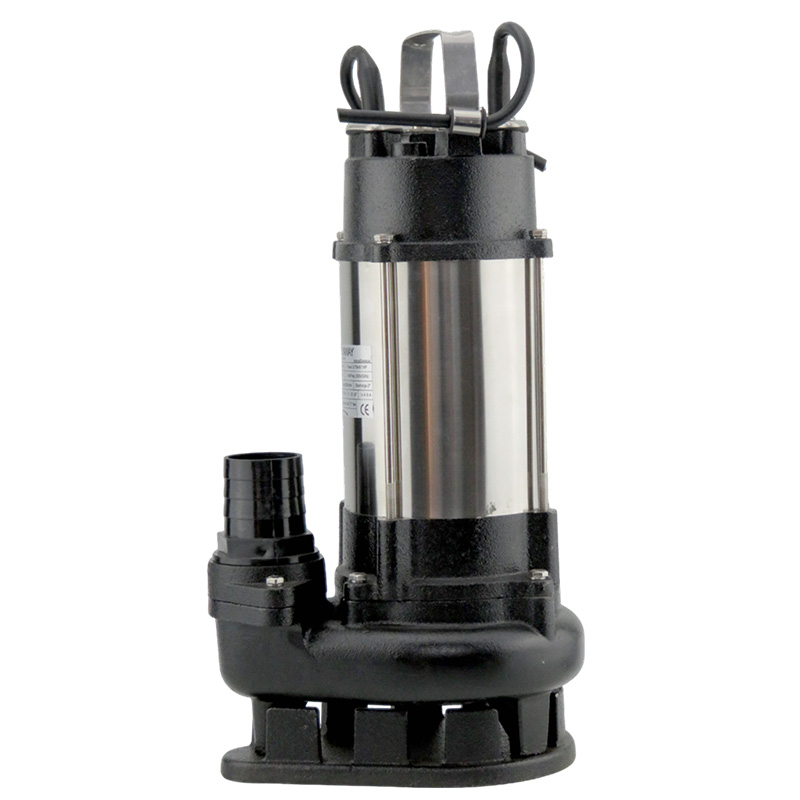
Drainage Pumps: Why Your Facility Needs One and How to Choose the Right Model
Standing water is rarely a small problem for long. On a construction site, in a basement, around a farm building, or beside a tank, it can delay work, damage stored materials, create slippery access routes, and complicate maintenance. A drainage pump gives operators a practical way to move unwanted water to a controlled discharge point. For distributors, it also creates a product category that is easy to explain through real use cases: emergency water removal, routine dewatering, temporary drainage, and site cleanup.
The useful question is not whether a drainage pump can move water. It can. The more important question is whether its flow, head, solids-handling capability, power supply, and discharge arrangement fit the job. From a distributor perspective, that fit affects customer satisfaction, repeat sales, spare-parts demand, and the number of avoidable service calls. Choosing the right drainage pump ensures long-term reliability and operational efficiency across industrial and commercial applications.
What a Drainage Pump Does in Everyday Work
A drainage pump removes accumulated water from a low point and transfers it through a hose or pipe to a permitted, safe discharge location. Depending on the design, it may be used in pits, flooded rooms, trenches, utility areas, tanks, or outdoor work zones. Many units are portable; others are installed for recurring duty. The practical benefit is simple: water is moved before it interrupts access, damages equipment, or turns a manageable leak into a larger cleanup task.
Drainage work is often time-sensitive. A drainage pump that is correctly matched to the application helps crews restore access sooner and allows maintenance teams to focus on the cause of the water rather than manual removal. That is why customers generally value dependable start-up, a suitable discharge connection, and straightforward cleaning more than a headline specification alone. Proper drainage pump selection reduces labor overhead and prevents unexpected equipment failures.
Key Benefits of Using a Drainage Pump
Faster Water Removal and Less Manual Handling The clearest benefit of a drainage pump is speed. Buckets, wet vacuums, and hand tools may be acceptable for a small spill, but they become inefficient when water keeps entering the area or the affected volume is larger. A drainage pump creates a repeatable removal process and reduces the physical effort required from staff. For temporary dewatering, portability can also let one unit serve several locations during the same shift, making every drainage pump a versatile asset on site.
Better Protection for Floors, Stock, and Work Areas Removing water promptly can help limit exposure of floors, stored goods, tools, and electrical equipment to moisture. It also supports safer access by reducing standing-water hazards. The benefit is conditional: a drainage pump must be placed stably, the hose must be routed securely, and the discharge must not create a new hazard elsewhere. In wet locations, electrical connections and protection should be selected and installed by qualified personnel in line with applicable local requirements. Using a reliable drainage pump safeguards valuable inventory from costly flood damage.
More Consistent Operations During Weather or Maintenance Events Rain, washdown, seepage, plumbing failures, and routine tank or pit maintenance can all introduce water where it is not wanted. Keeping a suitable drainage pump available gives facilities a defined response instead of an improvised one. For distributors, this makes the product relevant to property maintenance, light industry, agriculture, construction support, and service contractors rather than only to one niche customer group. A dependable drainage pump ensures minimal downtime when unexpected weather events strike.
A Practical Way to Manage Recurring Low-Point Water Where water repeatedly collects in the same area, a correctly specified drainage pump can be part of a routine management plan. Automatic control may be appropriate in some installations, while other jobs call for manual attendance. The right choice depends on the site, duty cycle, water quality, lift, and required level of supervision. A drainage pump is not a substitute for fixing drainage design problems, but it can reduce disruption while the underlying issue is investigated.
Lower Lifecycle Disruption When Maintenance Is Planned The purchase price is only one part of the cost. A drainage pump that is easy to inspect, clean, and service can reduce downtime and make distributor after-sales support more predictable. Regular debris clearance and functional checks help preserve dewatering performance. This matters especially where leaves, sediment, fibers, or other debris can reach the intake. If solids are present, buyers should confirm the drainage pump is designed for that material rather than assuming every unit will handle it.
Why the Benefits Depend on Proper Selection
A drainage pump does not deliver the same result in every setting. The flow shown on a data sheet changes as total head rises, and a long hose, narrow pipe, multiple bends, or a high discharge point can reduce actual output. In practical terms, the system matters as much as the drainage pump itself. Before recommending a model, confirm the water source, vertical lift, hose length and diameter, expected debris, available voltage, and how often the unit will run.
Water quality also deserves attention. Clear rainwater, lightly contaminated drainage water, and water carrying sand or fibrous debris create different demands on the intake, impeller, seal, and maintenance routine. Higher-cost materials are not automatically the right answer; matching the construction of the drainage pump to the actual liquid and expected duty is more useful than over-specifying every job.
A Distributor Checklist for Recommending a Drainage Pump
-
Define the water: Is it clean, slightly dirty, or likely to contain solids that need a different drainage pump type?
-
Measure the duty: Ask for the required flow, vertical lift, discharge distance, and hose size for the drainage pump.
-
Confirm the power source: Match voltage, frequency, phase, and site electrical protection to the drainage pump installation.
-
Review operating frequency: A one-off emergency job and a daily dewatering duty need different durability and control considerations for any drainage pump.
-
Plan the discharge: The outlet must lead to an approved location and should not cause erosion, flooding, or contamination downstream.
-
Discuss service: Show customers how to inspect the intake, check the hose, and recognize loss of flow or abnormal vibration early.
Engineering Excellence and Global Supply Capabilities
Flyaway provides global distributors with comprehensive pump-selection support based on the operating conditions a buyer provides. Backed by advanced manufacturing capabilities and robust supply chain solutions, Flyaway delivers reliable OEM and ODM programs tailored to regional market needs. Through strict quality control, consistent specifications, and dedicated spare-parts planning, Flyaway helps global partners build long-term market confidence with dependable fluid control products. Website: Flyaway






