
 EN
Key Benefits of Installing a Reliable Domestic Water Pump for Modern Homes
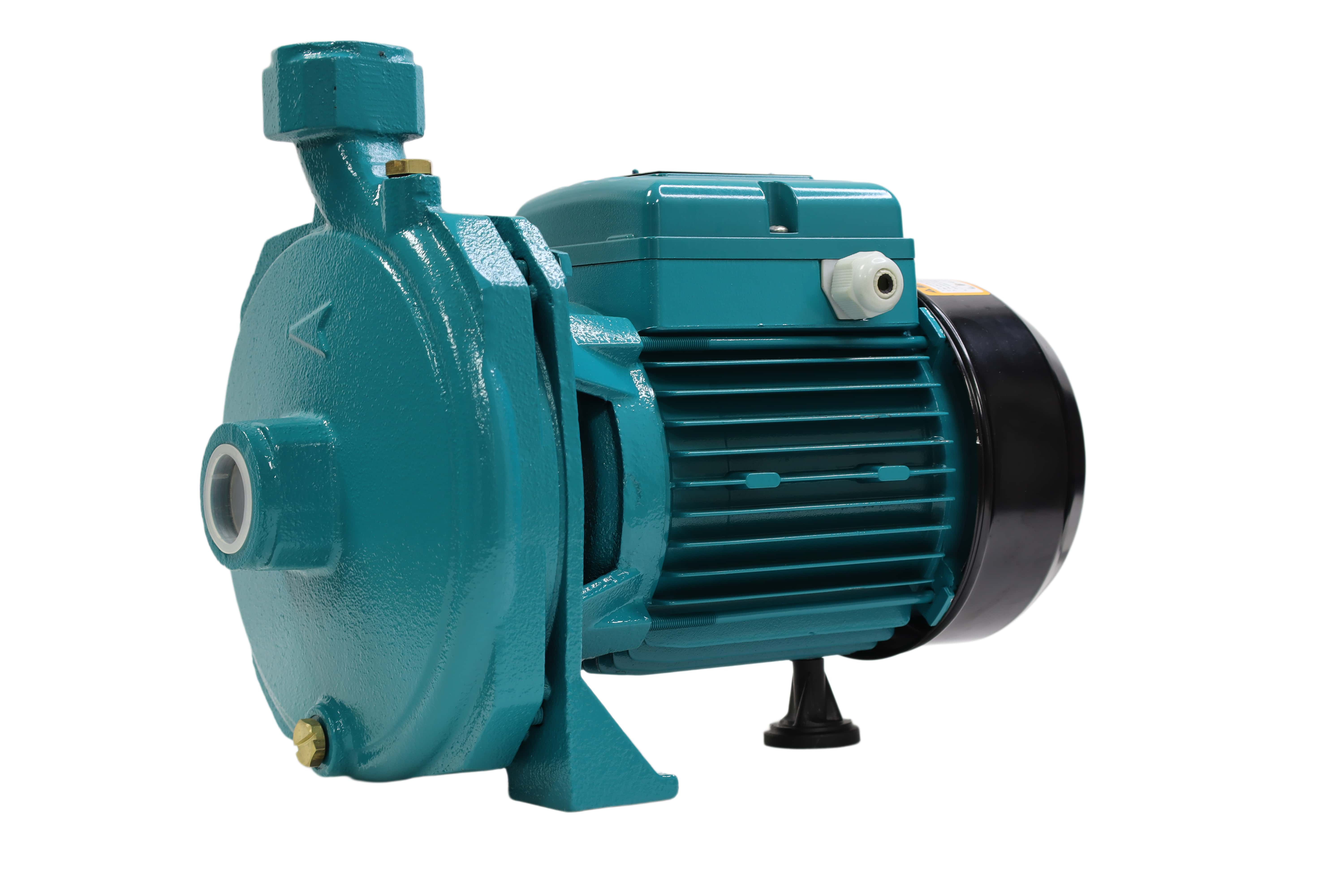
A reliable domestic water pump can do much more than simply move water from one point to another. When a high-quality home water pressure pump is correctly matched to a property's unique source, pipework layout, elevation, and daily demand, it creates steadier pressure, improves access to stored or well water, and ensures routine household tasks never feel constrained by poor plumbing. For modern properties that depend on an underground tank, a private well, a rainwater harvesting store, or an uneven municipal supply, having a dependable automatic water pump provides practical control that makes a truly noticeable difference in daily life.
From a professional fluid-system selection perspective, the most useful question is never simply about choosing which device has the largest motor. Instead, the real priority is whether the selected domestic water pump can deliver the exact flow and pressure needed at multiple fixtures operating simultaneously. A refreshing shower, a kitchen tap running full blast, a washing machine filling up, a garden irrigation line, and an upper-floor bathroom all draw from the same network. Evaluating the entire household water pump infrastructure—rather than looking solely at a single pump catalog rating—always leads to a far superior, long-lasting installation.
Enjoying More Consistent Water Pressure for Everyday Routines
The most visible, immediate benefit of installing a quality home water pressure pump is achieving stable, robust pressure where it matters most: showers, washbasins, toilets, cleaning points, and heavy-duty appliances. Properties featuring old gravity-fed tanks or long, convoluted pipe runs frequently experience weak, frustrating flow during busy morning and evening hours. A correctly sized domestic water pump helps maintain completely usable pressure as household demand fluctuates throughout the day.
Many residential systems target roughly 40 to 60 PSI, although the ideal target always depends on local plumbing codes, building height, and the specific appliances being served. That numerical range serves as a practical reference rather than an absolute promise. If incoming static pressure is already excessive, adding an automatic water pump without checking the network can generate disruptive noise, pipe leaks, or unnecessary stress on valves and appliance connections. Many regional codes mandate pressure regulation whenever supply pressure exceeds 80 PSI, making an initial site assessment essential before selecting any household water pump.
Better Utilization of Available Alternative Water Sources
Integrating a well-designed domestic water pump lets any household make practical use of water that is readily available on-site but lacks natural pressurization. Depending on the specific site installation, this might include an underground storage tank, a shallow private well, a rainwater collection cistern, or an open reservoir dedicated to garden irrigation. Instead of relying solely on weak gravity flow or tedious manual transfer buckets, an efficient home water pressure pump moves water exactly where and when it is needed.
This operational flexibility proves especially valuable where municipal supply is intermittent or where the natural water source sits well below the main building level. A surface-mounted automatic water pump may suit above-ground storage or shallow wells, whereas a submersible design is often necessary for deeper bores. Sourcing robust hardware from trusted manufacturers like Flyaway ensures that residential projects receive precision-engineered hydraulic solutions tailored precisely to actual site duty points rather than misleading peak specifications.
Domestic Water Pump System Comparison Guide
| Application Type | Primary Water Source | Key Operational Focus | Recommended Equipment Solution |
| Municipal Boost | City Main / Low Pressure | Stabilizing peak-hour flow | Compact home water pressure pump |
| Rainwater Harvesting | Storage Tanks / Cisterns | Automated transfer & garden use | Reliable domestic water pump |
| Shallow Well Supply | Private Wells / Streams | Continuous priming & suction lift | Self-priming automatic water pump |
| Deep Borehole Feed | Deep Aquifers / Wells | High head lift & submergence | Multi-stage household water pump |
Greater Convenience Across Multiple Simultaneous Household Uses
Without a suitable domestic water pump, turning on a single kitchen tap can instantly cause a shower upstairs to drop to a miserable trickle. By contrast, a properly designed water network powered by a dependable household water pump easily supports overlapping daily uses, including bathing, food preparation, laundry cycles, tank refilling, and extensive garden watering. The ultimate benefit goes far beyond raw power; it guarantees predictable water delivery whenever family members need it.
That predictability also simplifies routine property management. An integrated pressure controller or compact pressure tank helps reduce rapid start-stop cycling in compatible setups, while automatic float switches support seamless tank refilling where applications permit. These accessories are never universal add-ons; they must be carefully chosen to match the specific automatic water pump, electrical supply capacity, and water-storage arrangement.
-
Confirm the exact water source, such as a tank, shallow well, rainwater store, or municipal line.
-
Calculate total head by factoring in vertical lift, pipe friction, fittings, and required outlet pressure.
-
Estimate peak flow demand by considering how many household fixtures may operate simultaneously.
-
Verify electrical conditions including voltage, phase, circuit capacity, and motor protection.
-
Choose appropriate system controls such as pressure tanks, controllers, or dry-run protection.
Efficient Solutions for Low-Pressure Challenges
Low water pressure is deeply frustrating, but it does not automatically mean a larger domestic water pump is required. In practice, clogged filters, undersized pipes, partially closed isolation valves, hidden leaks, poor tank positioning, or severe mineral buildup can restrict flow long before a pump is even considered. A careful site assessment prevents spending money on an oversized home water pressure pump that merely masks an underlying plumbing restriction rather than solving it.
Begin by recording the exact water source, vertical elevation lift, approximate pipe lengths, pipe diameters, the maximum number of outlets likely to run together, and desired pressures at the highest fixture. Compare those specific site requirements against the pump performance curve supplied for candidate models. The working duty point matters far more than a headline maximum rating, ensuring your household water pump operates efficiently over years of service.
Resilience and Long-Term Efficiency Through Smart Selection
Initial purchase price represents only one fraction of total ownership value. A correctly sized domestic water pump helps avoid repeated motor restarts, unstable water delivery, and avoidable mechanical stress caused by operating far from its intended best efficiency point. For properties with regular tank-filling routines or extensive garden irrigation needs, basic automation accessories also eliminate the need for constant manual monitoring.
Furthermore, a well-planned home water pressure pump installation adds vital resilience when incoming utility supplies fluctuate by time of day or changing seasons. Partnering with seasoned manufacturing partners like Flyaway guarantees that global distributors and residential project managers receive superior supply chain support, robust manufacturing standards, and durable automatic water pump solutions designed to keep homes running smoothly.






