
 EN
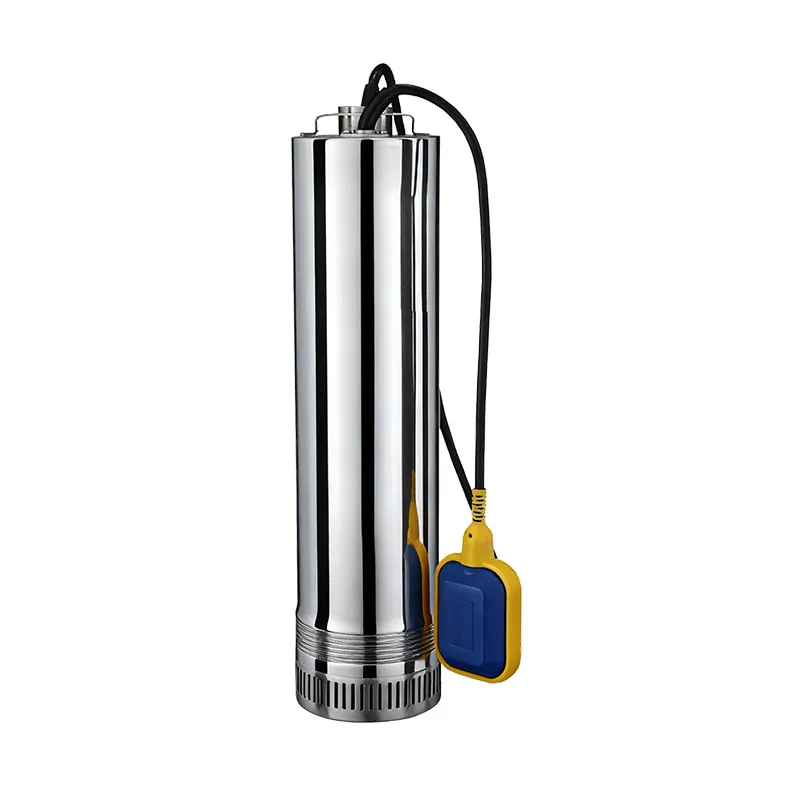
Benefits of Installing a Stainless Steel Recirculation Pump
When a closed-loop water system starts producing rust-colored debris, seal problems, or inconsistent circulation, the pump is often blamed first. In practice, the pump is part of a larger material-and-operating-condition decision. A stainless steel recirculation pump can be a practical upgrade where corrosion resistance, cleaner fluid handling, and long service intervals matter most. It is not an automatic answer for every loop, but it can reduce avoidable maintenance when the alloy and pump duty match the fluid.
For facility teams, installers, and distributors, the appeal is straightforward: a stainless wetted end is better suited than ordinary ferrous construction for many clean-water, hot-water, and mildly demanding circulation duties. The real value comes from looking at the whole loop—fluid chemistry, temperature, dissolved oxygen, piping, controls, and maintenance access—not at the pump body alone.
Why Material Choice Changes Recirculation Performance
A recirculation pump repeatedly moves the same fluid through a loop. That means small compatibility problems can become cumulative: deposits may circulate, corrosion products may reach valves and heat exchangers, and a seal issue may turn into a shutdown. A stainless steel recirculation pump helps address the material side of that risk because stainless steel forms a passive surface that resists corrosion in many water-based services.
There is an important boundary, though. "Stainless" is not a universal chemical-compatibility label. Grade 304 is widely used for moderately corrosive water duties, while 316 generally offers better resistance to chloride-related pitting and crevice corrosion because it contains molybdenum. If chloride content, cleaning chemicals, temperature, or water treatment are uncertain, confirm the fluid conditions with the pump supplier before selecting an alloy.
Key Advantages of a Stainless Steel Recirculation Pump
-
Corrosion and Rust Resistance: In a suitable application, the main benefit of a stainless steel recirculation pump is a lower tendency for the wetted housing to form rust scale. Less debris means fewer contaminants reaching strainers, small passages, and heat-transfer surfaces.
-
Dependable Operation in Demanding Water: Recirculation systems often operate for long periods with limited attention. Stainless construction preserves wetted components under repeated exposure in domestic hot-water loops and hydronic circulation.
-
Lower Maintenance Burden: By reducing one source of corrosion, a stainless steel recirculation pump helps maintenance teams focus on routine checks instead of reacting to premature material deterioration and unexpected downtime.
-
Stricter Fluid Expectations: For potable-water or hygiene-sensitive duties, stainless construction supports cleaner handling, provided the complete pump meets local destination market regulatory certifications.
-
Long-Term System Reliability: A corrosion-resistant pump housing provides a durable foundation once the hydraulic duty point and pipe layout are correctly engineered.
Overview of Material and System Parameters
| Evaluation Parameter | Key Technical Focus | Operational Impact |
| Fluid Chemistry | Water source, chlorides, and pH | Prevents pitting and chemical degradation |
| Operating Limits | Temperature, pressure, and flow | Avoids thermal shock and cavitation |
| Alloy Selection | Grade 304 vs. Grade 316 | Balances cost and corrosion resistance |
| Sealing System | Mechanical seal and elastomers | Prevents leaks and premature dry-run failures |
| System Duty | Closed-loop design and piping layout | Ensures operation at peak efficiency curve |
Where Stainless Construction Makes the Most Sense
A stainless steel recirculation pump deserves close consideration when the loop handles clean water or treated water and the operating conditions make corrosion resistance valuable. Typical decision signals include recurring rust debris, visible corrosion on existing wetted components, applications where fluid cleanliness matters, or a requirement to protect downstream heat exchangers and valves.
It can also be a sensible option for distributors serving varied regional markets. Flyaway provides technical pre-sales support based on buyer operating conditions, which is useful when a distributor needs to compare pump material, voltage, frequency, connection size, and duty requirements before committing to stock. A productive selection discussion starts with the fluid and the system, not with a generic material preference.
Installation Checks Before Specifying the Equipment
-
Confirm the fluid: Identify water source, treatment chemicals, expected chloride exposure, solids, and whether the loop is open or closed.
-
Match the duty point: Calculate required flow and total dynamic head, including pipe friction, fittings, elevation, and the resistance of connected equipment.
-
Check temperature and pressure: The pump, seals, gaskets, and controls must all suit the highest expected operating conditions.
-
Review electrical requirements: Confirm supply voltage, frequency, phase, motor protection, and control method for the installation market.
-
Plan access: Leave room for isolation valves, a strainer where appropriate, commissioning, inspection, and service.
-
Protect the system during startup: Flush debris, vent air, verify rotation where applicable, and confirm actual flow rather than relying only on a nameplate assumption.
One common mistake is to upgrade the pump material while leaving the original operating issue unaddressed. For example, if a loop is constantly drawing in oxygen or is exposed to aggressive chlorides, even a better alloy needs careful review. The right question is not whether stainless steel is good, but which stainless grade, seal package, and pump duty are appropriate for this fluid and loop.
Conclusion
Installing a stainless steel recirculation pump can bring meaningful benefits: improved corrosion resistance, less rust-related debris, a potentially lower maintenance burden, and a stronger material foundation for a reliable circulation loop. Those benefits are most convincing when the pump is matched to the actual fluid and hydraulic duty. Review alloy grade, seals, system chemistry, controls, and service access before purchase. With that discipline, stainless construction becomes a practical reliability choice rather than an unnecessary upgrade.






