
 EN
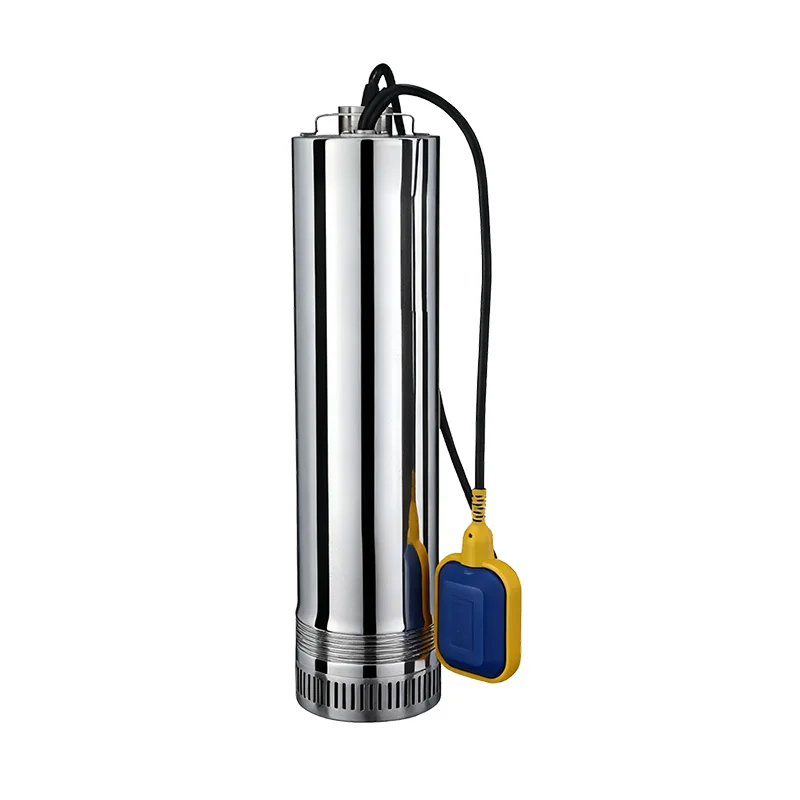
☀️ Benefits of Installing a Solar Well Pump on Remote Farmland
Water availability dictates the operational tempo of livestock management, crop irrigation, and day-to-day survival across isolated agricultural regions. Deploying an engineered solar well pump transforms abundant sunlight into reliable, cost-effective water extraction where utility grid extensions are financially impractical or power stability is chronically poor. The genuine value of this technology extends far beyond merely swapping an internal combustion engine for photovoltaic modules. Sustainable operational success requires designing a comprehensive fluid extraction network tailored to specific borehole yields, dynamic aquifer drawdown, rugged topography, and herd hydration schedules.
From a farm management perspective, primary operational priorities remain straightforward: minimizing emergency equipment repairs, eliminating high fuel procurement expenses, and ensuring steady discharge rates across changing seasons. From a hydraulic engineering viewpoint, system success depends on coordinating total dynamic head, peak solar radiation hours, pipeline friction dynamics, and intelligent automation. Evaluating a solar water pump system as an integrated ecosystem unlocks long-term resilience for off-grid agricultural operations.
⚡ Eliminating Fuel Logistics and Rural Grid Vulnerabilities
Operating diesel generator sets in remote pastures introduces compounding logistical burdens, including bulk fuel transport, fuel contamination risks, oil filter replacements, and mechanical breakdown risks during peak growing periods. A properly specified solar powered well pump operates directly from sunlight, bypassing fossil fuel supply chains and freeing farm operators from escalating energy inflation.
Rural utility grids frequently suffer from severe voltage sags, phase imbalances, and line surges that burn out traditional three-phase motor windings. A modern solar well pump driven by a dedicated solar variable frequency inverter protects sensitive electronics while generating clean, modulated power directly at the wellhead.
Energy Configuration
Operational Expense Profile
Primary Failure Risks
Labor Intensity
Dedicated Diesel Generator
High recurring fuel purchases, periodic lubricant changes, high transport costs
Mechanical engine seizure, fuel line clogging, starter motor burnout
High daily attendance required for refueling and monitoring
Single-Phase Rural Grid
Moderate utility bills subject to tariffs, expensive long-distance pole drops
Voltage drops below operating limits, lightning surges, transformer brownouts
Low daily input, but catastrophic downtime during grid outages
Autonomous Solar Well Pump
Zero fuel costs, minimal moving components, zero utility connection fees
Sand abrasion in deep intake, dust buildup on photovoltaic arrays
Minimal maintenance limited to seasonal inspections and panel washing
| Energy Configuration | Operational Expense Profile | Primary Failure Risks | Labor Intensity |
|---|---|---|---|
| Dedicated Diesel Generator | High recurring fuel purchases, periodic lubricant changes, high transport costs | Mechanical engine seizure, fuel line clogging, starter motor burnout | High daily attendance required for refueling and monitoring |
| Single-Phase Rural Grid | Moderate utility bills subject to tariffs, expensive long-distance pole drops | Voltage drops below operating limits, lightning surges, transformer brownouts | Low daily input, but catastrophic downtime during grid outages |
| Autonomous Solar Well Pump | Zero fuel costs, minimal moving components, zero utility connection fees | Sand abrasion in deep intake, dust buildup on photovoltaic arrays | Minimal maintenance limited to seasonal inspections and panel washing |
Where nighttime livestock watering or extended overcast periods present operational challenges, hybrid controller architectures allow seamless secondary integration with small backup generators without forfeiting the fundamental operational savings of solar energy.
🚰 Replacing Complex Battery Banks with Elevated Water Storage
Chemical battery storage represents one of the most expensive and maintenance-intensive components of off-grid electrical installations. In extreme rural climates, high ambient heat degrades lithium and lead-acid batteries prematurely, requiring temperature-controlled enclosures and frequent replacements. An optimized solar water pump system bypasses this liability by converting variable solar power directly into gravitational potential energy.
Pumping water into elevated reservoirs, hillslope holding ponds, or dedicated pasture troughs during peak sun hours creates an exceptionally reliable, maintenance-free energy buffer. Gravity delivers pressurized water continuously throughout the evening and overcast days without cycling expensive electrochemical cells.
Storage Architecture
Initial Capital Expenditure
Operating Lifespan
Harsh Environment Vulnerability
Electrochemical Battery Bank
High initial investment and replacement costs
3 to 7 years depending on ambient temperature
Highly sensitive to ambient heat and over-discharge
Elevated Storage Reservoir
Moderate civil construction and piping cost
25+ years with structural steel or concrete tanks
Completely immune to ambient thermal extremes
| Storage Architecture | Initial Capital Expenditure | Operating Lifespan | Harsh Environment Vulnerability |
|---|---|---|---|
| Electrochemical Battery Bank | High initial investment and replacement costs | 3 to 7 years depending on ambient temperature | Highly sensitive to ambient heat and over-discharge |
| Elevated Storage Reservoir | Moderate civil construction and piping cost | 25+ years with structural steel or concrete tanks | Completely immune to ambient thermal extremes |
Integrating liquid level sensors within remote storage tanks allows intelligent pump controllers to throttle motor speed or pause extraction automatically, preventing tank overflow and wellbore over-pumping without human intervention.
📐 Sizing Total Dynamic Head Against Solar Radiation Cycles
Borehole depth provides only an initial baseline when sizing a solar powered well pump. Hydraulic performance depends on Total Dynamic Head (TDH), which incorporates static elevation rise, seasonal aquifer drawdown, friction drag through thousands of meters of surface piping, valve restrictions, and terminal nozzle pressure.
Photovoltaic panels produce fluctuating direct current based on diurnal solar irradiance. An undersized system fails to generate sufficient starting torque in early morning light, whereas a poorly matched impeller design forces the motor to run in severe cavitation during peak noon irradiance.
Hydraulic Sizing Parameter
Critical Engineering Factor
Real-World Performance Impact
Dynamic Drawdown Level
Pumping water level at maximum continuous yield
Determines true vertical lift rather than static well depth
Pipe Friction Losses
Interior pipe roughness, internal diameter, flow velocity
Excessive velocity causes massive head loss in long pipe runs
Solar Array Oversizing
Array wattage to motor rated power ratio (typically 1.25x to 1.35x)
Guarantees early morning startup and extended daily run hours
Maximum Power Point Tracking
High-speed algorithmic voltage adjustment
Maximizes water volume delivered under shifting cloud cover
| Hydraulic Sizing Parameter | Critical Engineering Factor | Real-World Performance Impact |
|---|---|---|
| Dynamic Drawdown Level | Pumping water level at maximum continuous yield | Determines true vertical lift rather than static well depth |
| Pipe Friction Losses | Interior pipe roughness, internal diameter, flow velocity | Excessive velocity causes massive head loss in long pipe runs |
| Solar Array Oversizing | Array wattage to motor rated power ratio (typically 1.25x to 1.35x) | Guarantees early morning startup and extended daily run hours |
| Maximum Power Point Tracking | High-speed algorithmic voltage adjustment | Maximizes water volume delivered under shifting cloud cover |
Engineering the complete fluid delivery path ensures the solar well pump operates within its highest hydraulic efficiency zone, maximizing water output per watt of installed solar capacity.
🕒 Harmonizing Solar Generation with Agricultural Irrigation Rhythms
Natural solar irradiance curves align remarkably well with peak agricultural water requirements. During hot, cloudless afternoons, crop evapotranspiration reaches its zenith and grazing herds consume peak water volumes. A solar well pump naturally maximizes discharge volume during these identical mid-day intervals.
For drip irrigation blocks, high midday solar output supplies consistent volume to filtration and distribution manifolds. Operators release stored water systematically through low-pressure drip tape, optimizing root zone hydration while minimizing evaporative loss. Coupling precise irrigation scheduling with solar availability turns natural climate cycles into a functional management advantage.
🛠️ Mitigating Preventative Maintenance in Remote Environments
Equipment reliability in remote outposts is measured by how rarely an operator must visit the wellhead with a toolbox. Compared to internal combustion pump drives, a brushless DC or high-efficiency AC solar well pump reduces mechanical wear components significantly. However, continuous submersion in mineral-heavy or sandy groundwater still requires proactive engineering safeguards.
Component Group
Inspection Frequency
Preventative Maintenance Action
Photovoltaic Arrays
Monthly to Quarterly
Wash accumulated dust, bird droppings, and agricultural debris
Downhole Submersible Pump
Bi-Annual
Inspect sand-settling collars and verify thermal motor insulation
Wellhead Inverter Controller
Quarterly
Verify wire terminal torque, check lightning surge arrestors, clean vents
Distribution Valves & Piping
Monthly
Clear line strainers, verify check valve operation, inspect air release vents
| Component Group | Inspection Frequency | Preventative Maintenance Action |
|---|---|---|
| Photovoltaic Arrays | Monthly to Quarterly | Wash accumulated dust, bird droppings, and agricultural debris |
| Downhole Submersible Pump | Bi-Annual | Inspect sand-settling collars and verify thermal motor insulation |
| Wellhead Inverter Controller | Quarterly | Verify wire terminal torque, check lightning surge arrestors, clean vents |
| Distribution Valves & Piping | Monthly | Clear line strainers, verify check valve operation, inspect air release vents |
Specifying silicon carbide mechanical seals, sand-resistant composite impellers, and stainless-steel motor shells ensures the downhole equipment withstands abrasive silt without premature failure.
🏭 Global Manufacturing Excellence and Supply Chain Support
Constructing dependable agricultural water projects requires working with an experienced production partner equipped with robust engineering capabilities. For international equipment distributors, agricultural contractors, and government water security programs, sourcing directly from a vertically integrated solar pump manufacturer provides assured component compatibility and competitive wholesale pricing.
This is where Flyaway delivers commanding supply chain advantages across global agricultural sectors. Operating precision computerized machining centers, fully automated copper winding lines, and advanced fluid dynamics testing laboratories, Flyaway manufactures a diverse spectrum of high-efficiency pumping equipment.
From deep-well brushless permanent magnet systems to heavy-duty high-flow agricultural units, Flyaway provides comprehensive OEM and ODM solutions. Every solar water pump system undergoes computerized hydraulic performance verification, insulation testing, and pressure sealing validation before export packaging. By pairing rigorous factory-level quality assurance with extensive international logistics support, Flyaway equips distributors worldwide with durable pumping systems that guarantee dependable water security across the most isolated farming landscapes.
🎯 Strategic Summary for Remote Agricultural Operators
Installing a solar well pump delivers true operational autonomy to isolated farming enterprises. By trading recurring fuel logistics for free solar energy, replacing delicate chemical batteries with robust gravity water storage, and matching hydraulic head with local solar irradiance, operators secure continuous water access for fields and herds alike. Partnering with a dedicated solar pump manufacturer ensures the chosen hardware withstands harsh field environments, making solar pumping a cornerstone of long-term agricultural resilience.






