
 EN
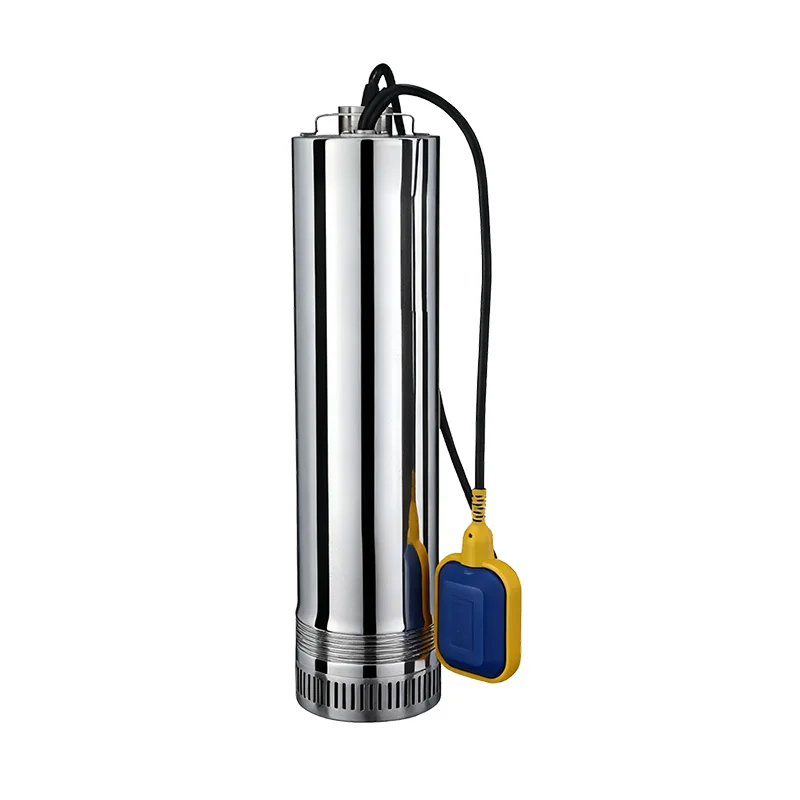
Complete Guide to Benefits of Installing a Quiet Shower Water Pump Indoors
A weak shower is rarely just a minor comfort issue. It can make a morning routine feel drawn out, make temperature changes more noticeable, and leave a multi-outlet bathroom short of flow. A properly selected shower water pump can improve a suitable low-pressure system, and an indoor installation can keep the equipment protected and accessible. The important qualifier is “properly selected.” Quiet operation comes from the whole installation—pump, mounting surface, pipework, water supply, and electrical arrangement—not from a label alone.
From an after-sales engineer’s perspective, the first question is not which shower booster pump is quietest. It is whether the home’s water source, pipe layout, outlets, and available indoor space suit a pump at all. Confirm the manufacturer’s installation instructions and have a qualified professional assess applicable plumbing and electrical requirements before work begins.
Why an Indoor Shower Water Pump Can Be a Practical Choice
Installing a quiet shower pump indoors places it close to the bathroom plumbing it serves. That can simplify access for inspection, isolation, and routine maintenance. A location such as a ventilated cupboard, service void, or other dry accessible area may also protect the unit from weather exposure. It is not an invitation to hide the pump behind a permanently sealed panel: the installer still needs room to inspect connections, service filters where fitted, and diagnose a fault.
For the right gravity-fed or low-pressure arrangement, a shower water pump can help deliver steadier flow at the shower head. That is especially useful when pipe runs, elevation changes, or simultaneous household demand leave a shower feeling inconsistent. It does not create a universal fix for every pressure complaint. A restricted valve, undersized pipe, blocked shower head, air lock, or unsuitable water supply needs its own diagnosis.
Quietness Is an Installation Outcome, Not a Marketing Promise
A quiet shower pump starts with a model designed for the intended duty, but sound travels through more than the motor. Vibration can pass into a timber floor, cabinet wall, or rigid copper pipe and then become noticeable elsewhere in the house. That is why a sound plan considers the pump’s base, pipe support, and service clearances together.
-
Use a stable, level support: A suitable base reduces movement. Follow the pump maker’s instructions rather than fastening the unit in a way the manual prohibits.
-
Control vibration paths: Appropriate anti-vibration mounts or pads and correctly installed flexible connections can reduce structure-borne vibration when the manufacturer permits them.
-
Avoid forcing pipework into alignment: Stressed, rigid pipe runs can transmit noise and place load on connections.
-
Leave access: A cramped enclosure can turn a small issue into a disruptive repair. An indoor shower booster pump should remain reachable for isolation and inspection.
There is a useful correction here. People often blame the pump first, but a new noise can be caused by an air lock, restricted inlet, cavitation, loose pipe clips, or worn components. If the sound changes suddenly, treat it as a diagnostic clue rather than simply adding more acoustic lining.
| Evaluation Metric | Primary Consideration | Maintenance Impact |
| Location Access | Ventilated indoor cupboard or service void | Ensures quick filter checks and fast troubleshooting |
| Vibration Control | Anti-vibration mounts and flexible links | Prevents structure-borne noise traveling through walls |
| System Compatibility | Gravity-fed or low-pressure arrangement | Guarantees safe operating limits and steady pressure |
| Environmental Protection | Dry indoor setting away from weather | Protects electrical parts from moisture and extreme frost |
Indoor Placement Benefits Beyond Lower Noise
Easier maintenance and faster troubleshooting
When a shower booster pump is installed in an accessible indoor service area, a technician can check isolation valves, connections, and the surrounding pipework without working outdoors or removing finished surfaces. This matters over the life of the system. A pump that is difficult to reach may be ignored until a small vibration, leak, or flow issue becomes more expensive to resolve.
Better protection from the environment
A dry indoor location helps keep the pump away from rain, direct sun, and freeze-thaw exposure. Still, dry does not mean any enclosed box will do. The chosen location must meet the manufacturer’s requirements for ventilation, temperature, drainage considerations, and safe electrical separation from wet areas.
A more deliberate bathroom-pressure plan
Indoor siting encourages the installer to look at the whole water path: available supply, inlet conditions, outlet demand, pipe size, route, and shower fittings. That system view is more valuable than buying the largest model on the shelf. More power does not automatically solve poor inlet conditions, and a higher-rated unit may create unnecessary noise or cycling in an unsuitable system.
How to Choose an Indoor Shower Booster
Start with the pump manufacturer’s compatibility guidance for your water system. Then work through these practical checks with an installer:
-
Identify the water system: Establish whether the system is gravity-fed, mains-fed, vented, unvented, or otherwise configured. The selected unit must be appropriate for that setup.
-
Count real demand: Consider how many shower outlets or taps may operate at the same time, not only the shower you notice most.
-
Measure the route: Note available cupboard or loft service space, pipe runs, vertical lift, bends, and the distance to the bathroom.
-
Plan the acoustic details: Ask how the base, flexible connectors, pipe clips, and cabinet surfaces will limit vibration transfer.
-
Confirm safe installation: The electrical supply, isolation, plumbing connections, and wet-area clearances must follow local requirements and the specific product manual.
This approach avoids a common installation mistake: choosing a pump around a single advertised number while overlooking the water source and the room around it. The most suitable model is the one that fits the operating conditions and can be maintained safely.
Industry Supply and Wholesale Sourcing
When sourcing reliable plumbing hardware and fluid handling solutions for residential or commercial projects, choosing an experienced manufacturer is essential. Flyaway provides comprehensive technical support, reliable supply chain services, and custom engineering consultations to help global contractors and wholesale buyers match exact flow rates, pressure curves, and quiet operational requirements with the ideal shower water pump or shower booster pump, ensuring long-term reliability and complete customer satisfaction.






