
 EN
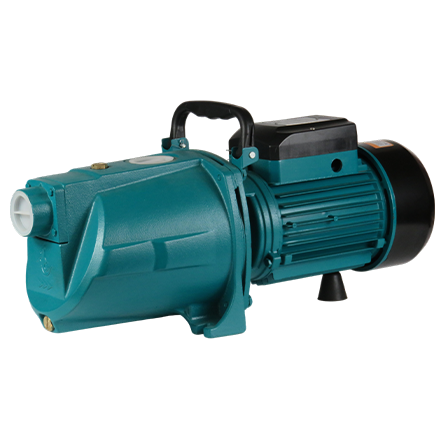
Benefits of an Agricultural Irrigation Water Pump on Modern Farms
Water is only truly useful to a growing crop when it arrives at the exact right place, at the right moment, and with sufficient pressure to match your field layout. That is why an agricultural irrigation water pump is much more than a simple piece of equipment bridging a water source and a field. It serves as the core working link that helps modern farms turn stored reservoirs, surface canals, or deep wells into a manageable, reliable daily resource.
For growers, agricultural contractors, and equipment dealers, the true benefit goes far beyond simply moving more water. A well-matched pump gives the entire irrigation system a steadier operating rhythm, helps farm crews respond effectively to fluctuating field conditions, and makes long-term planning around labor, fuel, and maintenance far easier. Choosing the right machinery always starts with evaluating your specific water source, required flow rate, emitter pressure needs, and total delivery distance.
Greater Control Over Irrigation Timing
Rainfall rarely coordinates with a neat planting calendar. By deploying a reliable agricultural irrigation water pump, a farm can deliver moisture precisely when soil conditions, crop growth stages, or weather shifts demand it, rather than waiting anxiously for the next rain shower. This precise control is invaluable when establishing delicate seedlings, supporting crops through prolonged dry spells, or managing fields that miss out on uniform canal distribution.
A quality pump also allows operators to direct water selectively to the zones that need it most. Instead of treating an entire farm as a single massive block, field crews can irrigate one section at a time, move a portable unit between blocks, or utilize separate lines for different crops. This flexibility effectively reduces the temptation to overwater low-requirement areas just to reach distant high-demand sections.
Seamless Adaptation to Diverse Water Sources
Farms draw irrigation water from a wide variety of origins: natural ponds, flowing rivers, irrigation canals, storage tanks, and deep wells. Each source brings unique physical traits, such as variable water levels, severe debris exposure, and specific lift limits. An advanced agricultural irrigation water pump can be custom-selected around those real-world site conditions rather than forcing a generic layout to fit everywhere.
Common irrigation pump configurations include centrifugal, deep-well turbine, submersible, and propeller models. The crucial question is not which type works universally, but rather which design can extract water safely and consistently from your specific source while hitting target flow and pressure metrics. Surface-water setups often require practical priming and filtration, whereas deep-well applications demand robust engineering suited to installation depth.
Aligning Flow and Pressure with Irrigation Methods
Every irrigation method places distinct demands on your pumping equipment. Drip systems generally rely on controlled delivery paired with fine filtration and pressure regulation. Sprinklers and traveler systems typically require higher operating pressure at the field edge, while flood irrigation prioritizes high volume transfer. Selecting an agricultural irrigation water pump that fits your specific duty point prevents costly performance mismatches.
| Irrigation Method | Primary Hydraulic Demand | Engineering Priority |
| Drip Systems | Low-to-medium flow with fine filtration | Pressure regulation and clean delivery |
| Sprinklers & Travelers | High operating pressure at field edge | Total dynamic head and stable output |
| Flood & Transfer | High volume water movement | Maximum flow efficiency and volume |
Always start by calculating the total flow required by all zones running simultaneously. Next, account for elevation changes, pipe friction losses, fittings, filters, valves, and emitter pressure requirements. Neglecting these friction losses often results in a pump that looks great on paper but underperforms at the far end of the field line.
Maximizing Labor Efficiency and Daily Operations
Manual water management consumes valuable hours that could be spent on core crop care. A properly configured agricultural irrigation water pump simplifies your daily sequence: start the unit, monitor line pressure, adjust zones, and inspect the water intake. While no system is entirely maintenance-free, a reliable pump makes water movement predictable and simple to schedule.
Portable equipment adds tremendous value when fields are widely separated or seasonal needs shift. A farm might use a unit near a surface pond for one crop block, then reposition it later for a tank-fed system. For equipment dealers and wholesale buyers, practical details like frame durability, quick-connect layouts, and accessible replacement parts are just as vital as headline capacity.
Supporting Consistent Crop Management and Expansion
A pump alone cannot guarantee uniform field irrigation, but a stable water supply serves as the ultimate foundation for it. When an agricultural irrigation water pump matches your layout, pressure regulators and field monitors operate at peak efficiency. This yields a repeatable routine that helps growers identify clogged emitters or minor leaks long before they turn into major crop losses.
Farms also develop in stages, adding new field zones or expanding drip networks over time. Choosing an agricultural irrigation water pump with future expansion in mind simplifies long-term planning. Backed by expert engineering capabilities and dependable global supply chain services, Flyaway remains committed to delivering high-performance fluid handling solutions that empower modern agricultural operations worldwide.






