 EN
What Is a Water Pump Used For?
2026/10/17
Discover what a water pump is used for across homes, farms, and sites. Learn how Flyaway provides durable manufacturing and supply solutions.

2026/09/15
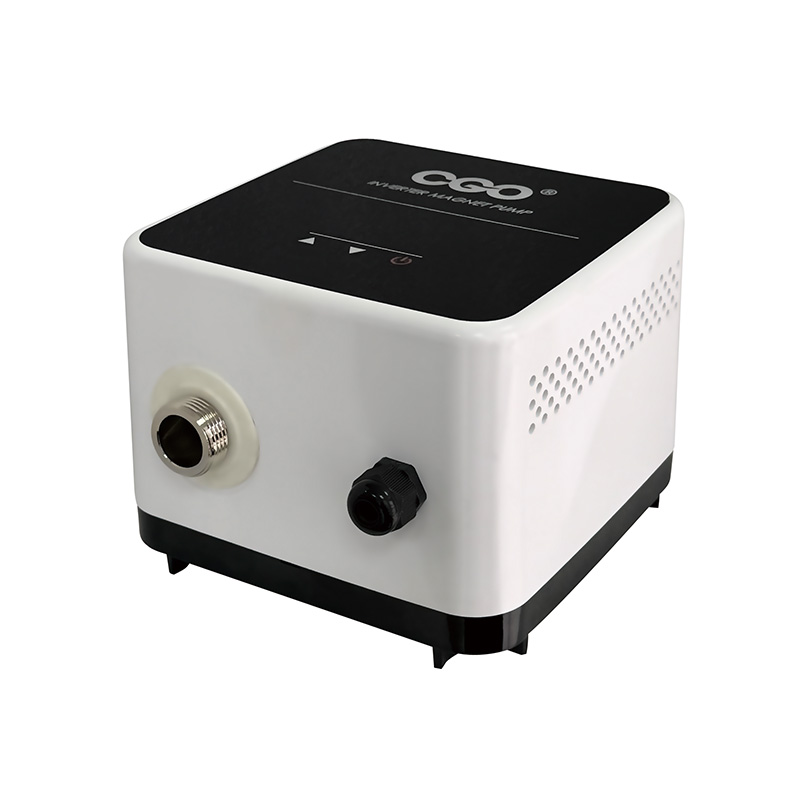
When designing efficient residential, commercial, or municipal fluid distribution networks, maintaining consistent water pressure across all system outlets remains a primary engineering objective. At Flyaway, our technical team frequently consults with facility managers and plumbing contractors who face severe pressure drops caused by high elevation, long pipe runs, or complex filtration stages. A well-engineered booster pump and high-efficiency booster pump provides the necessary mechanical lift to overcome systemic friction losses and elevation resistance across complex piping networks. Through decades of field installation and maintenance oversight, our specialists have observed that deploying a properly sized booster pump completely eliminates erratic flow patterns and ensures stable hydraulic performance under continuous operation. Understanding the operational mechanics of these pressure-enhancing units is vital for any professional looking to optimize water delivery systems without overburdening existing infrastructure or causing premature equipment degradation. Furthermore, proper baseline pressure management prevents cavitation, reduces water hammer effects, and extends the operational lifespan of downstream plumbing fixtures significantly across diverse municipal and commercial installations. Modern industrial facilities rely heavily on a dependable booster pump to maintain steady operational workflows during peak demand hours without risking pressure loss.
The versatility of modern fluid-handling equipment allows for extensive booster pump applications in diverse operational environments ranging from multi-story residential buildings to heavy industrial processing plants. In municipal supply networks, these specialized systems maintain adequate municipal water pressure during peak consumption hours when community demand spikes dramatically. Furthermore, agricultural irrigation networks rely heavily on these units to propel water across vast fields through specialized drip lines and overhead sprinklers, ensuring optimal crop yield and resource conservation. Commercial facilities such as hospitals, high-rise hotels, and educational campuses utilize pressure-boosting assemblies to guarantee uninterrupted water flow to upper floors and high-demand sanitary fixtures. According to industry guidelines from authoritative bodies like the Hydraulic Institute, matching the correct pump curve to specific system head requirements prevents hydraulic shock, eliminates cavitation, and extends equipment lifespan significantly. Analyzing specific booster pump applications helps engineers tailor fluid systems to meet rigorous environmental, safety, and economic efficiency benchmarks across various industrial sectors. Evaluating diverse booster pump applications ensures that engineering teams select optimal equipment configurations tailored to specific site hydraulic conditions.
Choosing the correct plumbing booster pump and high-performance plumbing booster pump requires a meticulous analysis of total dynamic head, required flow rates, and incoming baseline water pressure profiles. Installing an undersized unit results in persistent pressure fluctuations and inadequate flow, while an oversized pump creates excessive pipe stress, hydraulic shock, and unnecessary energy consumption. Modern installations often incorporate variable frequency drives (VFDs) to dynamically adjust motor speed based on real-time water demand, ensuring optimal energy efficiency and consistent pressure output. Practical field data gathered by Flyaway engineers indicates that integrating intelligent pressure controllers alongside traditional centrifugal boosting assemblies reduces motor wear and prevents thermal overload during peak operating cycles. Facility operators must evaluate inlet pressure thresholds carefully to ensure that the plumbing booster pump operates within safe manufacturer-specified operating parameters, thereby preventing costly unplanned downtime and reducing overall lifecycle maintenance expenditures. Every high-performance plumbing booster pump must be carefully calibrated to match dynamic system friction losses, ensuring long-term reliability and operational safety.
Industrial and commercial fluid systems frequently expose critical components to mineral scaling, aggressive chemical additives, and continuous mechanical stress that accelerate component wear. Selecting a durable booster pump constructed from corrosion-resistant materials such as 304 or 316 stainless steel safeguards internal components against pitting, oxidation, and chemical degradation. The passive chromium oxide layer inherent in high-grade alloys immediately regenerates when exposed to oxygen, creating a self-healing barrier against corrosive elements found in water treatment and supply environments. In practical plant applications managed by Flyaway technical specialists, deploying robust, high-quality units eliminates frequent unplanned shutdowns caused by mechanical seal failure or casing erosion. Consequently, facility operators significantly reduce long-term maintenance overhead while protecting critical capital investments against premature failure, ensuring uninterrupted operational continuity across all processing stages. Regular inspection of every operational booster pump further guarantees long-term mechanical integrity and system reliability.
Energy consumption represents a major operating expenditure for any facility managing large-scale fluid distribution networks and municipal water supply systems. Operating an inefficient pressure system leads to high electricity bills, excessive carbon emissions, and frequent mechanical breakdowns due to continuous motor overwork. Incorporating an advanced booster pump ensures that fluid dynamics remain smooth, minimizing turbulent flow energy losses across complex pipe configurations and reducing unnecessary friction. Through meticulous equipment sizing, accurate hydraulic calculations, and strict adherence to international performance standards, Flyaway helps clients achieve sustainable energy savings, lower lifecycle operating costs, and dependable performance over decades of continuous operation. Investing in optimized pressure-boosting technology ultimately delivers superior economic and environmental returns for modern water management facilities.

2026/10/17
Discover what a water pump is used for across homes, farms, and sites. Learn how Flyaway provides durable manufacturing and supply solutions.

2026/10/17
Discover why knowing the correct pump size protects budgets and ensures system efficiency. Learn sizing steps and Flyaway pump solutions.

2026/10/17
Discover how to choose the right farm water pump. Learn about head, flow, solar options, and reliable pump solutions by Flyaway.

2026/10/17
Discover how a small self priming water pump can simplify home water transfer, plus key installation and sizing checks.

2026/10/17
Learn how to choose a booster pump by evaluating flow, head, curves, and controls. Discover reliable pump solutions built by Flyaway.

2026/10/17
Learn the core benefits of a self priming well pump for shallow wells. Discover selection tips, operation limits, and how Flyaway delivers quality pumps.
