
 EN
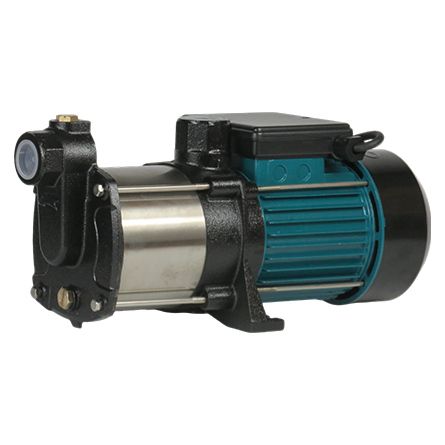
Why Waiting for Hot Water Frustrates Modern Households
Waiting for hot water to finally reach a distant shower, kitchen sink, or upstairs bathroom is far more than a minor daily annoyance. It sends gallons of perfectly usable water straight down the drain and makes routine hygiene feel sluggish and inconvenient. Installing a domestic hot water recirculation pump keeps warm water moving continuously through distribution piping so heated supply is available right when a fixture opens. For houses featuring extended pipe runs, this hardware dramatically improves daily comfort while curbing unnecessary water waste during every single wait.
Evaluating equipment goes far beyond wondering whether to simply buy a hot water circulator. Successful integration requires examining the existing pipe layout, control mechanism, water-heating capacity, and daily household schedule together. A well-chosen domestic hot water recirculation pump functions most efficiently when these distinct plumbing factors are properly harmonized.
Understanding How Recirculation Systems Operate
In a dedicated-loop setup, the pump moves cooled water from the hot-water supply line back toward the water heater through a specialized return pipe. The heater then quickly warms that water back up instead of leaving it sitting dormant inside the walls until a tap opens. Homes lacking a dedicated return line often utilize a crossover valve or retrofit arrangement, creating a temporary return path through the cold-water side of the plumbing network.
The pump itself is only one vital piece of the overall setup. Pipe length, thermal insulation, fixture distance, and control configurations dictate how quickly hot water arrives and how much standby heat the distribution system loses. That exact reality explains why a smaller, smartly controlled circulator often outperforms an oversized unit running blindly on an unmanaged schedule.
Cutting Down Unnecessary Water Waste
Without recirculation, water that has cooled inside a long hot-water branch is routinely flushed into the drain until warmth finally arrives. A domestic hot water recirculation pump captures that cooled water, returning it toward the heater instead of letting it vanish down the waste pipe. This advantage proves especially noticeable in larger homes where bathrooms or kitchens sit far from the main water heater and multiple occupants use those fixtures repeatedly each day.
Water conservation levels vary naturally across different households. Savings depend heavily upon pipe length, interior diameter, daily fixture usage frequency, and typical wait durations. Still, converting that frustrating waiting period into a controlled recirculation cycle helps eliminate avoidable draw-off across every season.
Enhancing Comfort at Remote Fixtures
Everyday comfort represents the primary benefit homeowners notice immediately following installation. A properly configured system drastically shortens the cold-water wait at plumbing locations situated farthest from the water heater. That transformation makes early-morning showers, handwashing, dishwashing, and bath preparation far more predictable and pleasant. Furthermore, households can permanently avoid the stop-start habit of briefly opening a tap, walking away, and returning later just to test whether the water has finally warmed up.
Designing a Deliberate Plumbing Workflow
Integrating recirculation encourages a comprehensive, system-level perspective on residential hot water infrastructure. Rather than viewing every long wait as an isolated fixture flaw, property owners and plumbing professionals evaluate the entire pathway: the heater, supply lines, return routes, control sensors, insulation wraps, and daily occupancy schedules. This holistic review proves exceptionally valuable during major home renovations or water-heater replacements because pipe layouts can be optimized before walls are closed or new equipment is permanently installed.
Matching Control Options to Household Routines
A domestic hot water recirculation pump does not need to run continuously twenty-four hours a day. Common control approaches include automated timers, temperature sensors, push-button demand controls, or motion-activated triggers. Demand controls prove particularly useful when hot water demand happens irregularly throughout the day: the system circulates water briefly prior to use rather than wasting energy pumping continuously.
Energy efficiency experts note that demand recirculating systems prevent cooled water waste while avoiding the heavy electrical consumption and standby heat loss associated with uninterrupted pump operation. Selecting the right control strategy ensures that recirculation remains efficient and cost-effective for the household year-round.
| Operational Factor | Why It Matters for System Success |
| Pipe Length and Layout | Determines the volume of cooled water sitting in the lines. |
| Control Mechanism | Prevents unnecessary energy loss through smart scheduling. |
| Insulation Quality | Minimizes standby thermal loss along the distribution path. |
| Household Schedule | Aligns pump activation with real daily water usage peaks. |
Knowing When the Investment Makes Sense
Certain residential scenarios make installing recirculation an exceptionally smart investment:
-
Long pipe runs stretching to frequently used distant bathrooms, laundry spaces, or kitchens.
-
Multi-level or expansive houses featuring significant distribution piping distances.
-
Households strongly committed to minimizing daily water waste and lowering utility footprints.
-
Major home renovation projects and new construction builds offering easy access to plumbing paths.
Compact homes featuring short, direct hot-water lines may experience more modest benefits. Likewise, properties requiring extensive repiping should undergo a detailed cost-benefit comparison before installation begins.
Protecting System Efficiency Through Proper Installation
Successful installation extends far beyond simply mounting a pump onto a pipe. Insulating accessible hot-water distribution lines helps limit standby heat loss significantly. Ensuring correct flow direction, integrating service valves, and including accessible isolation points make future maintenance straightforward. For retrofit configurations, professional installers should always explain how crossover paths interact with cold-water lines during active circulation cycles.
Many buyers focus exclusively on the initial equipment price. In practice, piping condition, control precision, and serviceability exert a far stronger influence on long-term satisfaction. Confirming the layout first ensures that the chosen circulator matches real operating conditions perfectly.
Securing Dependable Operations Through Expert Manufacturing
The primary benefits of a domestic hot water recirculation pump include reduced waiting times, minimized water waste before fixtures warm up, and a vastly superior everyday hot-water experience. These advantages reach their peak when systems target long pipe runs and utilize control methods aligned with actual household routines. For businesses and homeowners seeking reliable fluid management solutions, partnering with an experienced industry leader ensures lasting quality. Companies specializing in advanced water heater plumbing innovation and robust supply chain services—such as Flyaway—provide engineered durability, precise recirculation pump systems performance, and dedicated technical support designed to guarantee seamless long-term operational success across diverse global applications.






